MBA Career Benefits: Skills, Salary, Networking, and Return on Investment
-

- February 23rd, 2026
- 1,134 views

FREE SEO Topical Map Generator: Find Your Next Content Ideas
How will MBA benefit my career is a common question for professionals considering graduate business study. An MBA program typically aims to develop management skills, strategic thinking, and professional networks that can influence promotion prospects, career changes, and entrepreneurial ventures.
- Core benefits: leadership, analytical skills, and strategic frameworks.
- Career outcomes: higher salary potential, faster promotions, and access to new industries.
- Other gains: expanded professional network, career services, and entrepreneurial skills.
- Considerations: cost, time, accreditation, specialization, and personal career goals.
How will MBA benefit my career: main advantages
Leadership and management skills
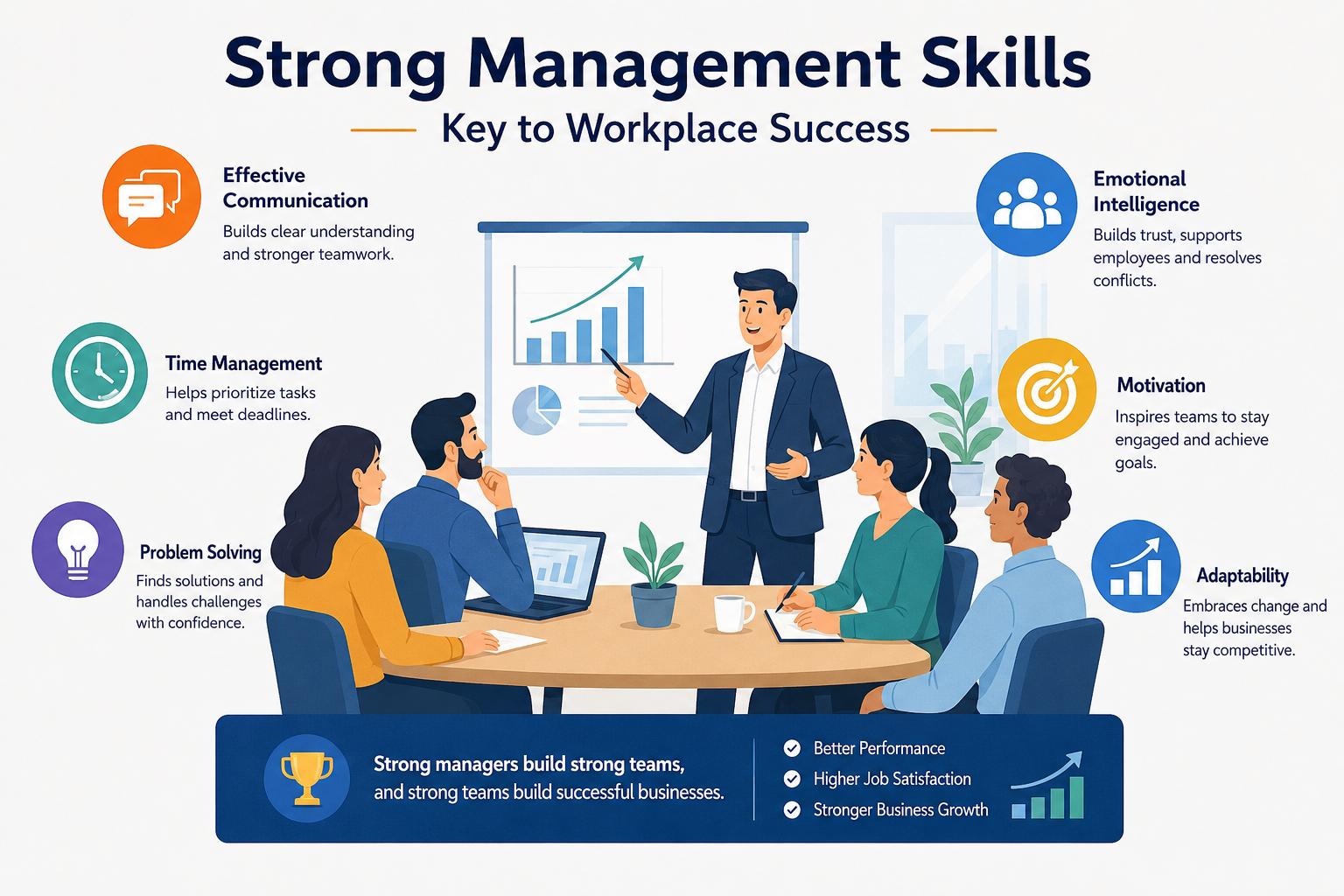
Most MBA curricula include courses in organizational behavior, finance, operations, and strategy that are designed to translate functional knowledge into managerial decision-making. Programs often emphasize case studies, team projects, and capstone simulations to build leadership, conflict resolution, and cross-functional coordination abilities that employers seek for mid- and senior-level roles.
Analytical and technical business skills
Classroom training and applied projects develop quantitative skills such as financial modeling, data analysis, and forecasting. Increasingly, MBA programs incorporate analytics, digital strategy, and technology management topics to match employer demand for candidates who can interpret data and guide digital transformations.
Career acceleration and salary potential
An MBA can help accelerate promotion timelines by signaling readiness for managerial responsibility. Many employers use MBA credentials as a criterion for leadership-track positions. Public data from labor and employment authorities and graduate-management surveys provide context for earnings and placement—prospective students should consult national labor statistics or program placement reports when estimating salary outcomes; for general occupational data refer to the U.S. Bureau of Labor Statistics for management occupations and trends: U.S. Bureau of Labor Statistics.
Types of career moves an MBA supports
Promotion within the same company or industry
For employees seeking upward mobility, an MBA can validate leadership capability and broaden understanding of cross-departmental functions, making candidates more competitive for director or senior manager roles.
Career switching
Mid-career professionals often use MBA programs to enter new sectors such as consulting, finance, technology, or healthcare management. Specialized tracks, internships, and career services can facilitate employer introductions and skill bridging for career changers.
Entrepreneurship and small business management
Courses in strategy, venture finance, and operations paired with incubator programs or startup labs provide frameworks and resources for launching or scaling a business. Access to mentors and investor networks through an MBA community can be a practical advantage for entrepreneurs.
How an MBA affects professional networks and opportunities
Alumni networks and employer recruiting
Alumni networks, campus recruiting, and mentorship programs expand access to hiring managers and industry contacts. For many graduates, these networks are a primary source of new roles, board opportunities, or partnerships.
Internships, career services, and experiential learning
Structured internships and practicum projects give workplace exposure and references. Dedicated career services often help with resume preparation, interview coaching, and employer events that improve job market readiness.
Costs, ROI, and decision factors
Direct and indirect costs
Costs include tuition, fees, and potential lost income for full-time study. Part-time, executive, and online MBA formats offer alternatives that may reduce earnings disruption while still providing many program benefits.
Return on investment considerations
ROI depends on pre-MBA experience, target industry, program reputation and accreditation, geographic market, and personal goals. Prospective students should compare program placement reports, average salary uplift, and long-term career trajectories. Accreditation (for example from recognized bodies such as AACSB) and employer relationships often affect outcomes.
Choosing the right format and specialization
Full-time MBAs suit those who can pause work to immerse in study, while part-time and executive MBAs accommodate continuing employment. Specializations—such as finance, marketing, operations, or analytics—should align with career objectives to maximize relevance and employability.
Practical steps before enrolling
Clarify career goals and metrics
Define target roles, industries, and timelines. Identify measurable goals such as salary range, job title, or geographic move to evaluate program fit and expected returns.
Research programs and outcomes
Review placement reports, alumni trajectories, employer lists, and curriculum. Speak with alumni and use official program materials alongside independent sources to form an evidence-based comparison.
Consider alternatives
Short executive education, certificates in analytics or leadership, mentorship, and on-the-job stretch assignments may deliver targeted skill gains at lower cost. An MBA remains one of several tools for career development.
Conclusion
An MBA can benefit a career by developing leadership, analytical skills, and by expanding professional networks. Outcomes vary with program choice, individual background, and market conditions. Evaluating costs, accreditation, specialization, and career services helps determine whether an MBA aligns with long-term objectives.
Frequently asked questions
How will MBA benefit my career in terms of salary and promotion?
Salary uplift and promotion speed depend on prior experience, program reputation, and industry. Many graduates report faster advancement and higher pay, but outcomes vary; consult program placement data and industry salary surveys for specifics.
Which MBA format is best for working professionals?
Part-time, executive, and online MBA programs are designed for working professionals who need to balance study with employment. Each format has trade-offs in time to completion, cohort experience, and depth of on-campus activities.
Can an MBA help with a career switch to consulting or finance?
An MBA can provide sector-specific skills, case practice, and recruiting access used by consulting and finance firms. Internships and targeted electives strengthen candidacy for such transitions.
Related Posts