How an MBA in Digital Business Management Prepares You for the Digital Economy
-

- Published Updated
- 1,780 views
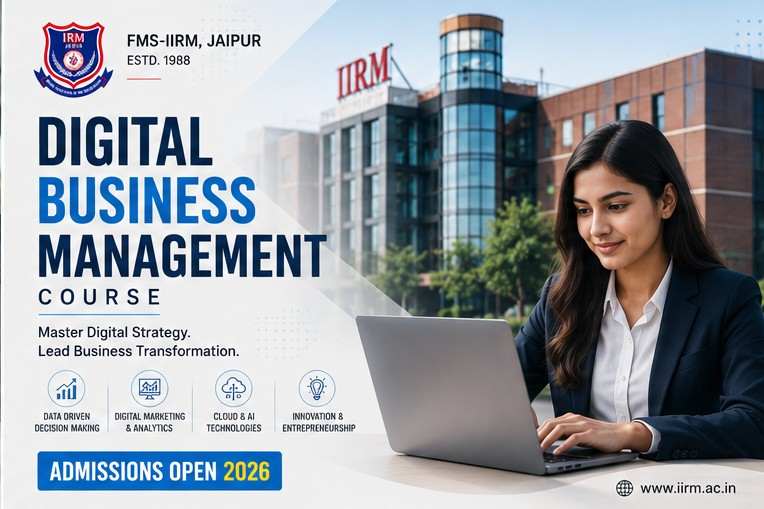
Digital technology has revolutionized the way businesses operate, compete, and interact with their customers. From artificial intelligence and data analytics to e-commerce, automated marketing, and digital platforms, organizations increasingly need managers who understand both business strategy and technology. This is why an MBA in Digital Business Management can help students prepare for modern management careers.
The Digital Business Management program focuses on the connection between management principles, digital technologies, and business processes. Instead of viewing technology as a separate function, students learn how digital tools can support decision-making, improve customer experiences, and drive organizational growth.
Quick Answer: How Does an MBA in Digital Business Management Help?
An MBA in Digital Business Management prepares students for the digital economy by combining management fundamentals with digital competencies such as digital strategy, business analytics, technology management, and digital business models. This can help students understand how businesses use technology to improve efficiency, connect with customers, and identify new business opportunities.
As businesses continue to adopt digital systems, management professionals need more than traditional business knowledge. They also need to understand how technology influences market trends, consumer behavior, and organizational strategy.
What Is Digital Business Management?
Digital business management is the application of business and management principles in organizations that use digital technologies as an important part of their operations and growth strategies.
A digital business management course may include areas such as:
Digital transformation
Business analytics
Digital marketing
Online business models and e-commerce
Artificial intelligence in business
Technology management
Data-driven decision-making
Innovation and entrepreneurship
Customer experience management
Digital strategy
The goal is not necessarily to turn management students into programmers. Instead, the focus is on helping students understand how technology and business strategy work together.
Why Is Digital Business Management Important in the Digital Economy?
Digital technology has changed customer expectations and the way businesses operate. Consumers can search for products online, interact with brands through multiple digital channels, compare options, and expect faster and more personalized experiences.
Similarly, businesses use digital systems to analyze data, automate processes, improve customer experiences, and make strategic decisions.
As a result, managers need to be able to answer important questions such as:
How can technology help improve business processes?
How can data support better decision-making?
How should businesses respond to changing consumer behavior in the digital age?
Which type of digital business model is suitable for a particular target market?
How can organizations effectively manage digital transformation?
An MBA focused on digital business can provide students with a structured understanding of these management challenges.
How Does an MBA in Digital Business Management Build Relevant Skills?
1. Strategic Thinking for Digital Transformation
Digital transformation is not simply about purchasing new software. It involves changes to business processes, organizational culture, customer interactions, and overall business strategy.
Students learn how technology can support broader organizational objectives. This strategic perspective is important because businesses need managers who can connect technology investments with measurable business outcomes.
2. Data-Driven Decision-Making
Businesses generate large amounts of data through websites, sales platforms, customer interactions, and internal systems. However, collecting data alone does not create value.
Managers need to understand how to interpret data and use insights to make informed decisions. Exposure to business analytics can help students understand performance trends, customer behavior, and operational challenges.
3. Understanding Digital Customers
Consumer journeys have become increasingly digital. Customers can discover brands through search engines or social media, compare products and services online, and complete transactions through digital platforms.
A digital business curriculum helps future managers understand:
Online consumer behavior
Customer journey mapping
Digital engagement
Brand communication
Customer experience management
These skills are applicable across a wide range of industries, not just technology companies.
4. Knowledge of Emerging Technologies
Technologies such as artificial intelligence, automation, cloud computing, and advanced analytics are changing business processes.
Management students do not necessarily need deep technical expertise. However, understanding the applications and limitations of emerging technologies can help them participate more effectively in strategic business discussions.
5. Innovation and Digital Business Models
Digital companies often operate differently from traditional businesses. Subscription models, platform businesses, direct-to-consumer brands, and online marketplaces have changed how companies create and deliver value.
A digital business management course can help students analyze emerging business models and identify opportunities created by technological changes.
What Subjects Can Students Expect to Study?
The specific curriculum varies by institution, but an MBA in Digital Business Management may combine traditional management subjects with digital-focused learning.
Management Foundation |
Digital Business Focus |
Marketing Management |
Digital Marketing |
Financial Management |
Business Analytics |
Human Resource Management |
Digital Transformation |
Operations Management |
Technology Management |
Strategic Management |
E-commerce |
Business Communication |
Digital Customer Experience |
Entrepreneurship |
Innovation and Digital Business Models |
This combination can help students gain a broader understanding of how different business functions operate in a technology-driven business environment.
What Career Opportunities Are Available After an MBA in Digital Business Management?
The roles graduates can pursue depend on their skills, experience, and industry requirements. Potential career options include:
Digital Business Analyst
Business Development Executive
Digital Strategy Associate
Product Management Professional
Business Analytics Professional
Digital Marketing Manager
E-commerce Manager
Customer Experience Professional
Management Consultant
Technology Business Consultant
Innovation and Transformation Associate
Career opportunities are not limited to technology companies. Industries such as retail, banking, healthcare, manufacturing, education, consulting, and consumer businesses are also adopting digital technologies.
How Does the Course Improve Placement Readiness?
Placement opportunities depend on factors such as individual skills, academic performance, industry conditions, and the hiring environment. However, a digital-focused management program can help students develop skills that are relevant to many employers.
Students can improve their career readiness by combining classroom learning with:
Live projects
Case studies
Internships
Industry interactions
Data analysis exercises
Digital marketing projects
Business presentations
Problem-solving assignments
Employers often look for candidates who can understand business challenges and present practical solutions. Therefore, students should focus on developing both technology awareness and strong management fundamentals.
Who Should Choose an MBA in Digital Business Management?
The program can be suitable for graduates who are interested in the connection between business and technology.
It may be particularly appealing to students who want to work in areas such as:
Digital-first companies
E-commerce businesses
Consulting
Customer and marketing strategy
Business analytics
Product and innovation
Entrepreneurship
Students from different academic backgrounds can benefit from the program if they are willing to develop critical thinking, business fundamentals, analytical abilities, and an understanding of emerging digital technologies.
How IIRM Jaipur Can Help Students Build Digital Management Skills
Management education needs to adapt to the changing needs of businesses. At IIRM College, Jaipur (Indian Institute of Rural Management), students can benefit from a management-focused learning environment that emphasizes practical understanding and career-oriented skills.
For students interested in managing businesses in the digital age, management education can provide a foundation in areas such as marketing, strategy, business communication, analytical thinking, and decision-making. These skills can become particularly valuable when combined with an understanding of digital technologies and evolving business models.
Students should evaluate any management program based on its curriculum, practical learning opportunities, industry exposure, and alignment with their long-term career objectives.
The Future Scope of Digital Business Management
The future of business management is likely to involve greater collaboration between business leaders and technology teams. Managers will need to understand technology while continuing to focus on fundamental business principles.
Professionals who can combine the following capabilities are likely to be well positioned for technology-driven business environments:
Business strategy
Technology awareness
Data literacy
Communication skills
Adaptability
Customer understanding
Problem-solving
An MBA in Digital Business Management can provide a structured pathway for developing these skills and preparing for the changing requirements of modern businesses.
Conclusion
The digital economy demands managers who understand both fundamental business principles and technological change. An MBA in Digital Business Management helps students explore how technology can influence business strategy, customer experience, operations, and innovation.
For aspiring management professionals, the real value of a digital business management course lies in developing a balanced skill set. Strong business knowledge, data literacy, strategic thinking, and adaptability can help students prepare for a changing work environment and build meaningful careers in management.
Frequently Asked Questions
1. What is an MBA in Digital Business Management?
An MBA in Digital Business Management is a management program that focuses on the relationship between business strategy and digital technologies. It may cover areas such as digital marketing, business analytics, innovation, e-commerce, and digital transformation.
2. Is digital business management a good career option?
Digital business management can be a suitable option for students interested in business, technology, and digital transformation. Career outcomes depend on an individual's skills, experience, and industry demand.
3. What kind of jobs can I get after studying digital business management?
Potential career roles include Digital Business Analyst, Digital Strategy Associate, E-commerce Professional, Business Analyst, Product Management Professional, and Digital Marketing Specialist.
4. Does digital business management require a technical background?
Not necessarily. Many programs focus on the business applications of technology rather than programming. However, analytical thinking and an interest in technology can be beneficial.
5. What are the key skills required for digital business management?
Key skills include critical thinking, communication, business strategy, data literacy, problem-solving, adaptability, customer understanding, and digital awareness.