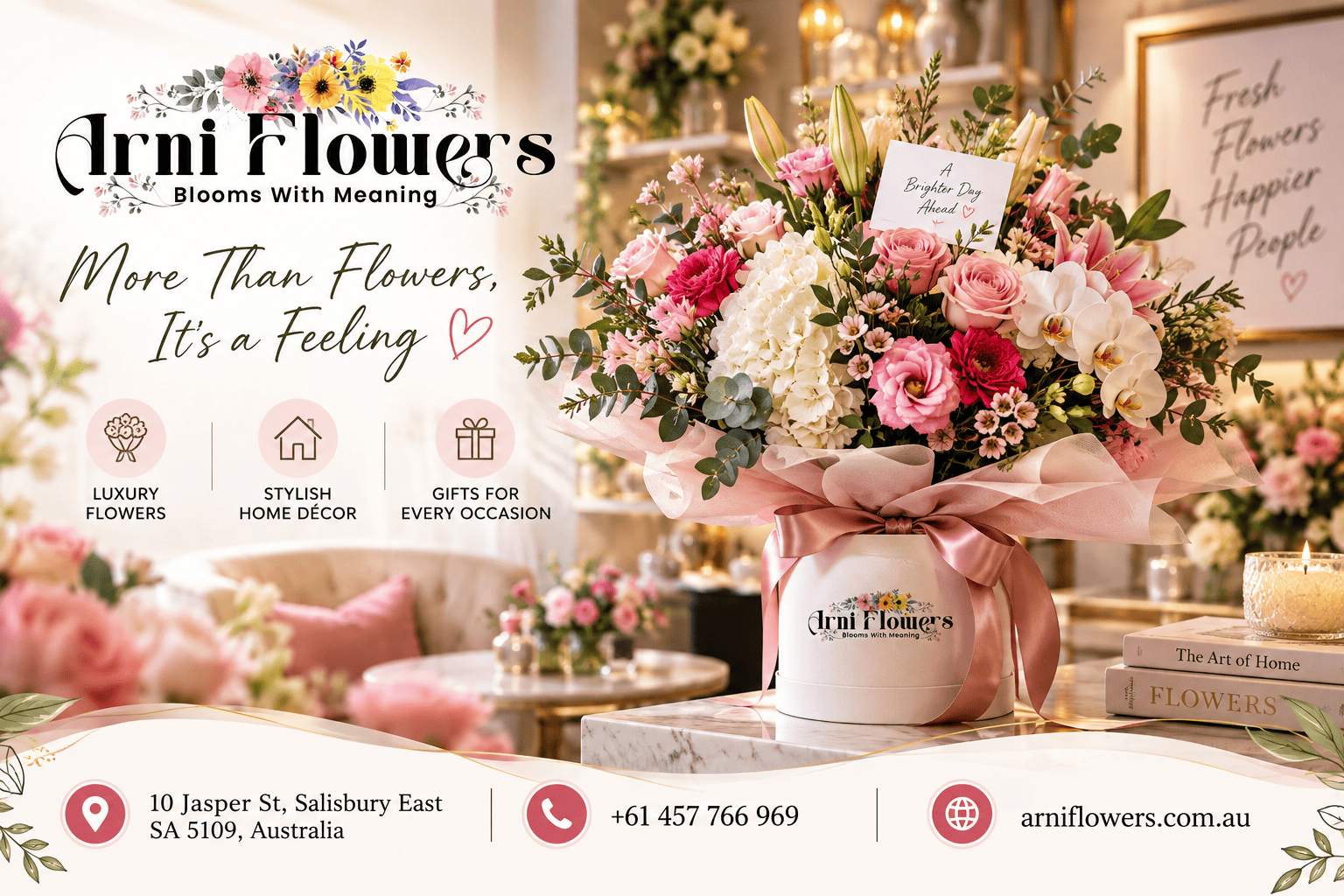
Meaningful Flowers for Respect on International Women's Day
-

- Published Updated
- 1,605 views

International Women's Day flowers can convey respect, solidarity, and appreciation when chosen with attention to symbolism and cultural context. Selecting the right blooms helps communicate a thoughtful message while honoring the day’s focus on gender equality and women's achievements.
This guide explains common floral meanings, recommended flowers for expressing respect on International Women's Day, cultural considerations, presentation and etiquette, and non-floral alternatives. It emphasizes thoughtful choice and awareness of local customs.
International Women's Day flowers: choices and meanings
Flowers carry established associations in many cultures. Knowing these can help convey respect without inadvertently sending the wrong message. Traditional symbolic options include carnations, tulips, lilies, and roses; each has nuances that affect suitability for International Women's Day flowers.
Carnations
Carnations are often associated with admiration and remembrance. Light-colored carnations (white, pale pink) tend to read as respectful and dignified. In some countries, carnations are closely linked to historical labor and social movements; this association can add resonance on International Women's Day.
Tulips
Tulips symbolize comfort and caring in many floral lexicons. Their clean lines and seasonal availability in early March make them a popular, understated choice for expressing respect without overstating intimacy.
Roses and lilies
Roses can denote respect and admiration, though red roses are commonly associated with romantic love. Consider softer hues such as peach or pale pink to convey esteem. Lilies often signify purity and refined respect; white or pastel lilies can be appropriate in formal contexts.
Mixed bouquets and color choices
Neutral or pastel color palettes—soft pinks, creams, lavenders—tend to suggest respect and appreciation. Avoid overly romantic color combinations (deep reds and dark purples) when the intention is professional recognition or public solidarity.
Cultural context and sensitivity
Understanding local customs is essential. In some regions, particular flowers or colors are linked to mourning, political movements, or religious observance. When in doubt, consult local etiquette guides or ask a trusted community member about appropriate choices.
Workplace and public events
For workplace recognition, opt for small arrangements or single-stem presentations that can be displayed in shared spaces. Avoid gifts that could be perceived as overly personal in professional environments.
Public demonstrations and solidarity gestures
When giving flowers at rallies or public gatherings, choose blooms that are easy to distribute and hold—single stems or compact posies serve practical needs while maintaining symbolic meaning.
Presentation, messaging, and sustainability
Notes and messaging
A brief card with a respectful, concise message clarifies intent. Focus on acknowledgement of achievements, support for equality, or solidarity with women's causes rather than personal sentiments unless the relationship calls for it.
Sustainable and ethical choices
Consider locally grown flowers or certified sustainable sources to reduce environmental impact. Reusable or recyclable wrapping and avoiding excessive plastic align with broader social responsibility values often associated with International Women's Day observances.
Non-floral and complementary options
Alternatives include potted plants, seed packets, charitable donations in honor of a recipient, or locally produced items that support women-owned businesses. These alternatives can extend respect into ongoing support.
Practical tips for buying and gifting
Timing and availability
International Women's Day occurs on March 8, a time when many florists experience higher demand. Plan orders in advance and discuss delivery or pickup details to avoid last-minute shortages.
Working with florists
Provide the florist with context (e.g., workplace recognition, public event) so appropriate arrangements are suggested. Ask about seasonal substitutes if a preferred bloom is unavailable.
Resources
For background on International Women's Day and its themes, consult official sources such as UN Women for information about global observances and campaigns. UN Women: International Women's Day
FAQ
What are appropriate International Women's Day flowers to express respect?
Appropriate choices include carnations (light colors), tulips, lilies, and roses in soft shades. Consider the recipient’s cultural background, the setting (professional vs. personal), and the symbolic meaning of colors before deciding.
Is it acceptable to give red roses on International Women's Day?
Red roses commonly symbolize romantic love and may be misinterpreted in professional or public contexts. For respect without romantic intent, choose softer hues like peach or pale pink.
Are there flowers to avoid on International Women's Day?
Avoid flowers or colors strongly associated with mourning, political factions, or romantic connotations in the recipient’s culture. When unsure, pick neutral or pastel options and include a clarifying message.
How should flowers for International Women's Day be presented in a workplace?
Use modest arrangements or single stems that can be displayed communally. Attach a short, professional card acknowledging contributions, achievements, or support for gender equality.
Can non-floral gifts convey the same respect?
Yes. Potted plants, donations to women-focused organizations, or purchases from women-owned businesses are meaningful alternatives that can express respect and practical support.