Medical Adhesives Market Restraints Challenge Innovation and Growth Across Modern Healthcare Applications
-

- Published Updated
- 4,700 views
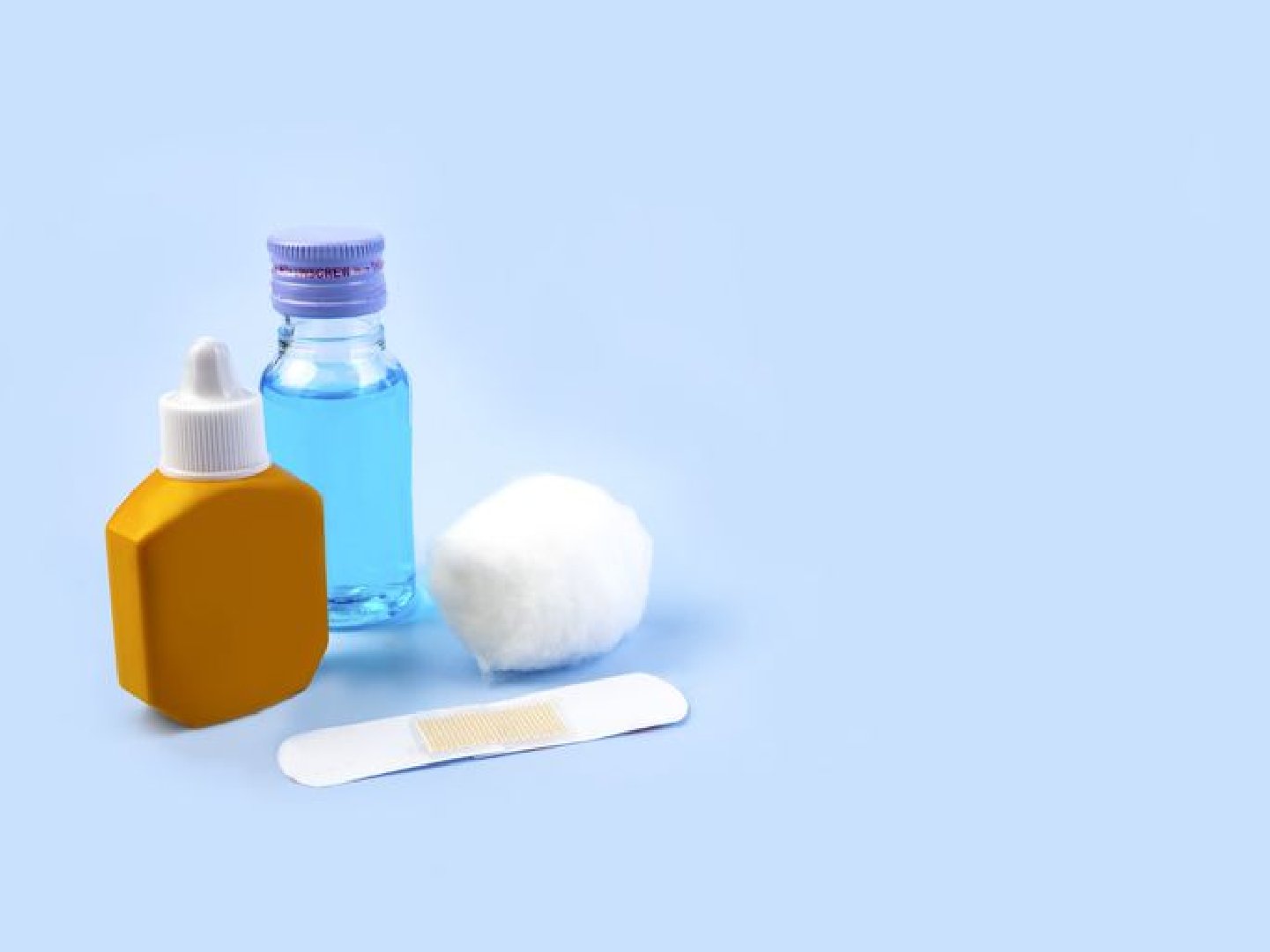
Medical adhesives have become an important component of modern healthcare, supporting wound closure, surgical procedures, tissue bonding, wearable medical devices, and advanced therapeutic applications. Despite increasing adoption across healthcare sectors, the industry faces several challenges that influence product development, manufacturing strategies, and market expansion.
The current medical adhesives market restraints include regulatory complexities, material limitations, high development costs, safety concerns, production challenges, and changing healthcare requirements. Understanding these factors helps manufacturers develop effective strategies to overcome barriers while continuing innovation.
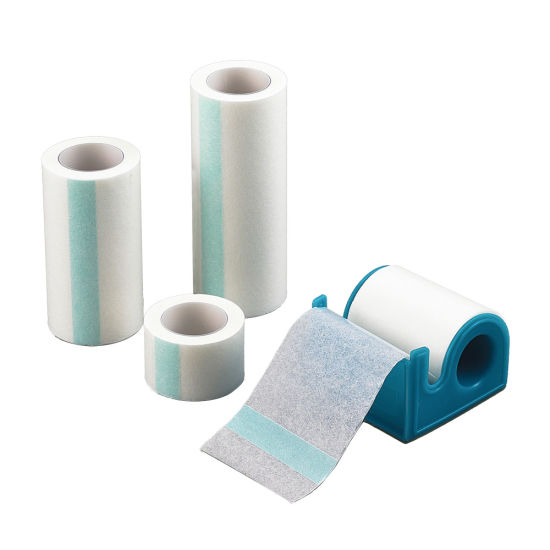
Complex Regulatory Requirements Create Challenges
Regulatory compliance remains one of the major challenges affecting medical adhesive development.
Medical adhesives must meet strict safety, quality, biocompatibility, and performance standards before reaching healthcare providers. The approval process for new formulations can require extensive testing, documentation, and clinical evaluation.
These regulatory requirements increase development timelines and create additional costs for manufacturers, especially companies introducing innovative adhesive technologies.
High Research and Development Costs Limit Expansion
Developing advanced medical adhesives requires significant investment in research and testing.
Manufacturers must continuously explore new biomaterials, improve adhesive performance, enhance patient safety, and develop specialized solutions for different medical applications. Extensive research activities increase operational expenses and may create challenges for smaller companies entering the industry.
Balancing innovation with cost efficiency remains a critical industry challenge.
Material Performance Limitations Affect Adoption
Although medical adhesives continue improving, certain technical limitations remain.
Some adhesive formulations may face challenges related to bonding strength, moisture resistance, skin sensitivity, durability, or compatibility with different tissues. Achieving strong adhesion while maintaining patient comfort and minimizing irritation requires continuous technological improvement.
Overcoming these material limitations is essential for wider healthcare adoption.
Safety Concerns Influence Product Acceptance
Patient safety remains a major consideration in medical adhesive usage.
Potential concerns related to allergic reactions, skin irritation, toxicity, and long-term exposure can affect acceptance among healthcare professionals and patients. Manufacturers must invest in advanced testing and safer formulations to address these concerns.
Improving biocompatibility remains a key focus for future product development.
Manufacturing Complexity Creates Operational Barriers
Producing high-quality medical adhesives requires advanced manufacturing capabilities.
Maintaining consistent formulation quality, controlling production conditions, managing raw materials, and ensuring product reliability can be challenging. Small variations in manufacturing processes may affect adhesive performance and overall product effectiveness.
Advanced production systems are necessary to maintain quality standards.
High Product Costs Affect Accessibility
Cost remains an important factor influencing healthcare technology adoption.
Advanced medical adhesives often require specialized materials, extensive testing, and sophisticated manufacturing processes, which can increase product prices. Healthcare organizations with limited budgets may face challenges adopting premium adhesive solutions.
Manufacturers must focus on developing cost-effective products without compromising quality and performance.
Limited Awareness Restricts Market Expansion
Although medical adhesives offer several advantages, awareness and familiarity among some healthcare professionals remain limited.
Certain medical facilities continue relying on traditional wound closure methods due to established practices, training limitations, or concerns regarding new technologies. Expanding education and professional training programs can help improve adoption.
Greater awareness is necessary to unlock broader application opportunities.
Competition From Traditional Closure Methods
Medical adhesives compete with conventional wound closure techniques such as sutures and staples.
Traditional methods remain widely accepted due to long-standing clinical experience, availability, and familiarity among healthcare professionals. Convincing healthcare providers to transition toward newer adhesive technologies requires demonstrating clear benefits in safety, efficiency, and patient outcomes.
Competitive positioning remains an important challenge for manufacturers.
Supply Chain Issues Impact Production Stability
Reliable access to high-quality raw materials is essential for medical adhesive manufacturing.
Supply chain disruptions, material shortages, transportation challenges, and fluctuations in raw material availability can affect production schedules and increase costs. Manufacturers must develop stronger supply networks to ensure consistent operations.
Supply chain resilience will remain important for long-term industry stability.
Sustainability Challenges Affect Manufacturing Strategies
Growing environmental concerns are influencing medical adhesive production.
Manufacturers face challenges in reducing waste, improving recyclability, adopting sustainable materials, and maintaining product performance. Developing environmentally responsible solutions while meeting strict healthcare standards requires significant innovation.
Balancing sustainability and performance continues to be a major industry consideration.
Future Outlook
The medical adhesives market restraints highlight several challenges that manufacturers must address to achieve sustainable growth. Regulatory complexity, material limitations, production costs, safety requirements, and sustainability concerns will continue influencing industry strategies.
However, ongoing advancements in biomaterials, artificial intelligence, smart manufacturing, and sustainable technologies are expected to help overcome these barriers. Companies investing in research, innovation, and efficient production methods will be better positioned to navigate industry challenges. The medical adhesives market restraints represent important factors shaping the future direction of the healthcare adhesive industry. While challenges related to cost, regulation, safety, and technology remain, continuous innovation is creating new possibilities for improvement.
As healthcare systems continue adopting advanced treatment solutions, manufacturers that focus on quality, affordability, sustainability, and technological advancement will be able to overcome existing barriers and support the next generation of medical adhesive applications.
Written as -https://www.pristinemarketinsights.com/medical-adhesives-market-report