Four Seasons in One Day: How to Winter-Proof Your Melbourne Roof Before the Deluge Hits
-

- Published Updated
- 5,939 views
If you’ve lived in Melbourne for more than five minutes, you know the drill. You leave the house in a jacket, strip down to a t-shirt by noon, and find yourself huddled under an umbrella by 3 PM. Our infamous "four seasons in one day" weather isn't just a quirky local talking point—it’s an absolute assault course for our homes.
While we spend plenty of time worrying about our heaters in winter and our air cons in summer, there is an unsung hero quietly taking the brunt of Melbourne’s wild weather swings: your roof plumbing. Specifically, those thin strips of metal known as roof flashings.
When the heavens open over the Yarra, a sturdy roof is the only thing between a cozy afternoon and a very expensive ceiling disaster. Let’s dive into why staying on top of your roof health is the ultimate Melburnian homeowner survival skill.
What on Earth is a Roof Flashing Anyway?
Think of your roof as a high-quality raincoat. The tin or tiles cover most of your body, but you still have seams, zippers, and a collar where water can sneak in. On a house, those vulnerable "seams" are the valleys, joints, and the areas surrounding your chimneys, skylights, or exhaust fans.
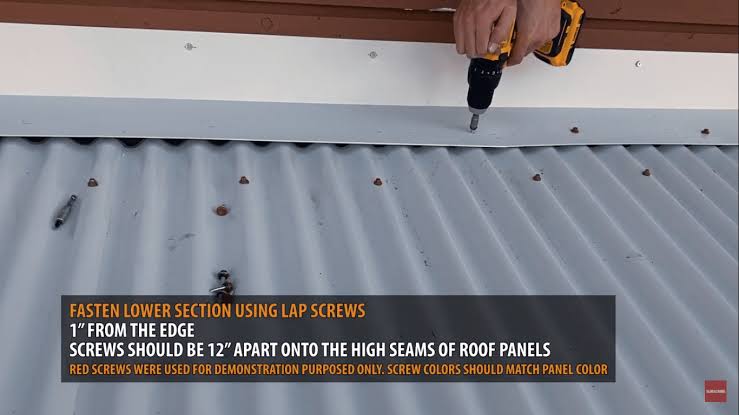
This is where roof flashings Melbourne homes rely on come into play. Flashings are thin pieces of weather-resistant material (usually galvanized steel, copper, or aluminium) installed to direct water away from these critical intersections and safely down into your gutters.
Without them, water doesn't just pool; it finds the path of least resistance straight into your insulation, timber frames, and plaster ceilings.
The Unique Melbourne Weather Factor
Why are we talking so specifically about roof flashings Melbourne wide? Because our climate creates a perfect storm for material fatigue.
Thermal Expansion and Contraction: One day it’s a blistering 38 degrees in January, and the next it drops by 20 degrees in an hour. This rapid temperature shifting causes your metal roof and flashings to expand and contract constantly. Over time, this movement can pull nails loose, split sealant, and create tiny gaps.
The Autumn Leaf Clog: Melbourne’s beautiful leafy suburbs—think Camberwell, Toorak, or the Dandenong foothills—are stunning in autumn. But when those leaves drop, they pack out valleys and gutters. Trapped moisture behind a leaf dam will rot away low-quality flashings faster than you think.
Sudden Downpours: We don't just get gentle rain; we get intense, tropical-style downpours that drop weeks' worth of rain in twenty minutes. If your flashings are even slightly compromised, that volume of water will overwhelm them instantly.
The Golden Rule of Maintenance: A minor leak caught early costs a few hundred dollars to patch. A leak left to rot your structural timbers or grow black mold can easily spiral into tens of thousands of dollars.
Why General DIY Won't Cut It: Enter Professional Plumbing
When people think of plumbing, they usually picture blocked toilets, leaky kitchen taps, or installing a new showerhead. But the truth is, roof work falls squarely under the banner of specialized plumbing Melbourne services. Licensed roof plumbers undergo rigorous training to understand water dynamics, catchment areas, and the precise angles required to keep a building watertight. Crawling up onto a steep corrugated iron roof with a tube of silicone from the local hardware store rarely ends well.
A licensed professional knows how to properly scribe metal, replace degraded valley irons, and ensure everything complies with Victorian building regulations. Plus, let's be honest—Melbourne roofs can be incredibly slick and dangerous. Leaving the heights to the pros keeps your feet safely on the ground.
Warning Signs Your Roof is Crying for Help
You don't always have to wait for water to start dripping onto your coffee table to know there's a problem. Keep an eye out for these subtle warning signs around your property:
Water Stains on Ceilings: Look for faint, yellowish-brown rings on your upper-floor ceilings or along the tops of internal walls.
Flaking Paint or Cracking Plaster: Moisture weakens plasterboard, causing paint to bubble, peel, or crack near junctions.
Visible Rust from the Street: If you can see rust stains running down your roof sheets or around the base of your chimney, your flashing's protective coating has failed.
Gutter Overflow: If your gutters overflow into your eaves rather than down the downpipe, water is likely backing up under your lower flashings.
Don't Wait for the Next Big Storm
At the end of the day, preventative maintenance is always cheaper than emergency repairs. Getting your roof inspected before the peak of winter or the storm-heavy summer months gives you peace of mind. When looking for quality assistance, ensure you choose specialists who understand both the intricacies of structural roof flashings Melbourne requires and general, top-tier plumbing Melbourne standards. Your home is likely your biggest asset—keep it dry, keep it safe, and let the Melbourne weather do its worst while you stay warm inside.