Locked Out of Your House? What to Do First and When to Call a Locksmith
-
- Published Updated
- 72 views
Getting locked out of your house is stressful, especially at night, in bad weather, or with kids and pets inside. Most lockouts can be solved quickly and without damage if you stay calm and follow the right steps. This guide covers what to do first, which shortcuts to avoid, and when a locked out of house locksmith is the safest choice. If you’re in the Kansas City area and need help right now, Smart Key Locksmith offers lockout assistance for homes across the metro.
Step 1: Pause and Check Your Safety
Before you do anything else, make sure everyone is safe. If a child, an elderly person, or a pet is locked inside, or if something is cooking on the stove, treat it as an emergency. Call 911 if anyone inside is in danger.
If nobody is at risk, take a breath. Panic leads to rushed decisions, like forcing a door or breaking a window, that cost far more than a locksmith visit.
Also check your surroundings. If you’re outside alone late at night, move to a well-lit spot, keep your phone charged, and let someone know where you are.
Step 2: Check the Easy Options First
Many lockouts end with a simple fix. Before calling anyone, walk through these quick checks:
- Try every door. Check the back door, side door, patio door and garage entry. It’s easy to forget one you left unlocked.
- Check the windows you can reach safely. Don’t climb or force anything, but an unlocked ground-floor window may be an option for someone to open from the outside without damage.
- Think about spare keys. Is there one with a neighbor, a family member or a trusted friend? Is there a lockbox you set up for emergencies?
- Call someone inside. A roommate, partner or family member might be able to let you in.
- Contact your landlord or property manager. If you rent, they often hold a master or spare key, and many have an after-hours number.
If none of these work, it’s time to bring in a professional.
Step 3: Avoid Common Lockout Mistakes
When people get frustrated, they often reach for quick fixes that make things worse. A few to avoid:
Don’t break a window. A broken window means broken glass, a possible injury, a security gap until it’s repaired, and a repair bill that is usually larger than a locksmith’s fee.
Don’t force the door. Kicking or shoulder-slamming can crack the frame, damage the strike plate and bend the latch. Even if you get in, you may have a door that no longer locks properly.
Don’t use tools you saw online. Credit cards, wire hangers and makeshift picks can scratch the lock, snap off inside it, or damage the weather stripping. A damaged lock may need replacement.
Don’t hire the first number you find without checking. Some lockout “services” advertise a low price and then add fees at the door. Take a minute to verify who you’re calling.
Step 4: Know When to Call a Locksmith
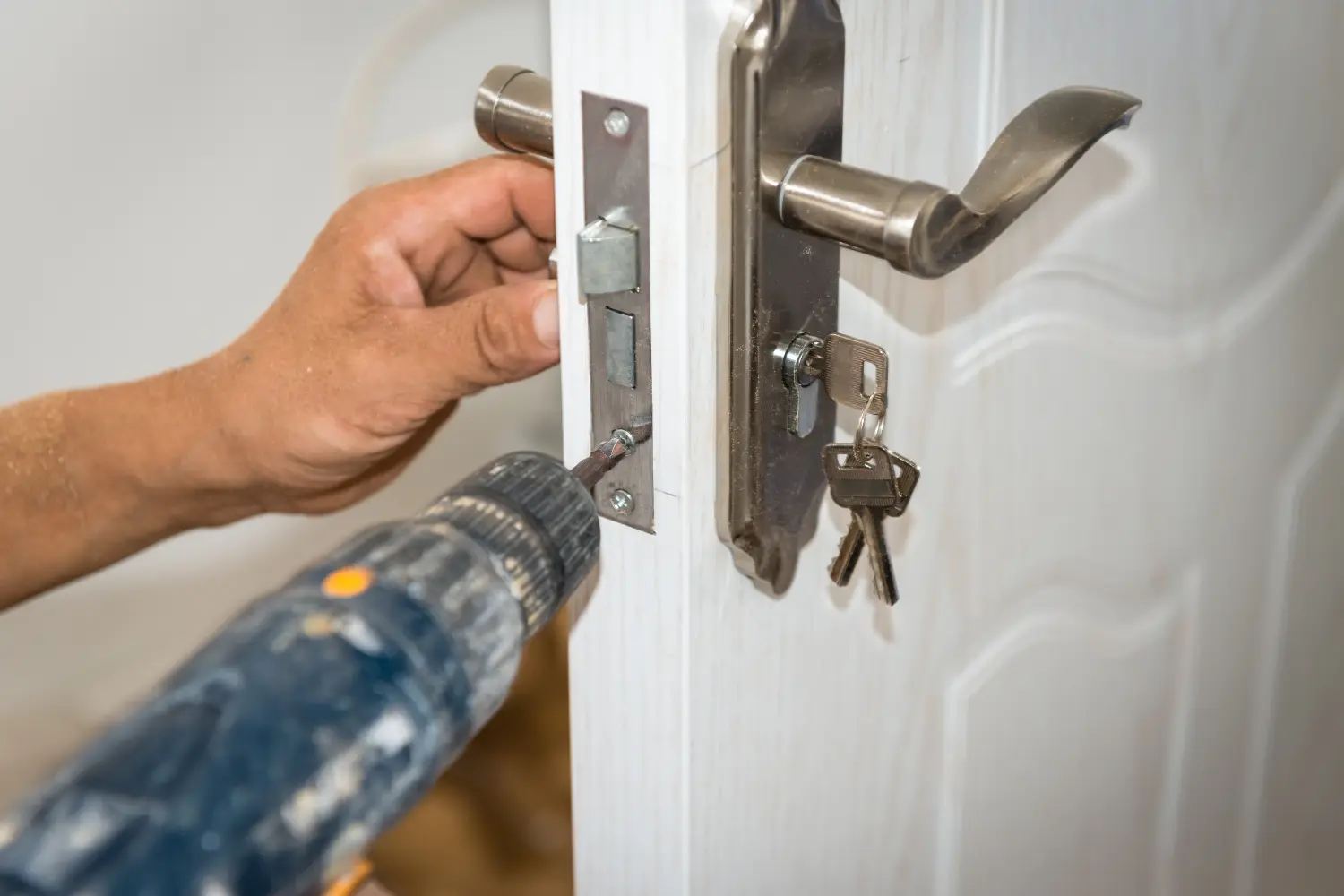
If the easy options are exhausted, call a professional locksmith. A trained technician can usually get you inside without damaging your lock, door or frame. This matters most when you have a high-security deadbolt, a smart lock or a lock that is jammed.
Call a locksmith right away if:
- You’ve lost your keys and have no spare
- Your key broke off in the lock
- The lock turns but the door won’t open
- The deadbolt is jammed or stuck
- Your keys were stolen and you’re worried about who has access
- It’s late at night or the weather is bad and waiting isn’t safe
How to Choose a Trustworthy Locksmith
Not every locksmith operates the same way. Before you agree to any service, ask a few questions:
- What’s your business name and location? A local company should give you a clear name and answer the phone with it.
- Can you give me a price estimate over the phone? A final price depends on the situation, but a legitimate company can explain how pricing works and what factors affect it.
- Are there extra fees I should know about? Ask about service call fees, after-hours charges and mileage.
- Are you licensed and insured where required? Rules vary, so ask about the company’s credentials.
- Will you verify that I live here? A professional will ask for ID or proof of residence before opening a door. That protects you, and it’s a good sign.
Be cautious of anyone who won’t give a business name, quotes an unusually low price and then changes it, or pressures you to replace the whole lock when it isn’t needed.
What to Expect When the Locksmith Arrives
A reputable technician will confirm your identity and your connection to the property, assess the lock and door, and explain the method before starting. Most residential lockouts can be solved with non-destructive methods, which means your lock stays intact.
Once you’re inside, the technician can also check whether your lock needs repair or rekeying. If you lost your keys, ask about rekeying the locks. Rekeying changes the internal pins so the old keys no longer work, often at a lower cost than replacing the hardware.
After You’re Back Inside: Prevent the Next Lockout
A lockout is a good reminder to improve your setup. A few simple habits go a long way:
- Make spare keys and store them wisely. Give one to someone you trust. Avoid hiding one under the doormat or a flowerpot, since those are the first places people check.
- Consider a lockbox or smart lock. A keypad or smart lock removes the need for a physical key. Make sure it’s installed correctly.
- Create a “keys, phone, wallet” habit. Check your pockets before the door closes behind you.
- Keep your locks maintained. A sticking or worn lock fails more often, and it’s more likely to leave you stuck outside.
- Save a trusted locksmith’s number now. You won’t want to search for one while locked out in the cold.
Frequently Asked Questions
How long does it take a locksmith to get me into my house?
Arrival time depends on your location and how busy the company is. Once the technician is on site, many residential lockouts take only a few minutes.
Will a locksmith damage my lock?
A skilled locksmith uses non-destructive methods whenever possible. Damage is more common when people try to force the door themselves.
Should I rekey my locks after losing my keys?
If there’s any chance someone else could find your keys and your address, rekeying is a smart, affordable step. It makes the lost keys useless.
Is it better to call a locksmith or my landlord?
If you rent, call your landlord or property manager first, since they may have a spare key. If they’re unavailable or it’s after hours, a locksmith can step in.
Final Thoughts
A lockout doesn’t have to turn into a bigger problem. Stay calm, check the easy options, avoid forcing your way in, and call a professional when you need one. Choosing a trustworthy local locksmith protects your lock, your door and your wallet, and a few preventive habits can keep it from happening again.