How Meningococcal Antibodies Defend Against Neisseria meningitidis
-

- February 23rd, 2026
- 1,314 views

👉 Best IPTV Services 2026 – 10,000+ Channels, 4K Quality – Start Free Trial Now
Understanding how meningococcal antibodies form and act is essential to grasp immunity against Neisseria meningitidis. Meningococcal antibodies are immune proteins produced in response to the bacterium's surface structures, most notably the polysaccharide capsule, and are a key correlate of protection used in vaccine development and public health policy.
What this guide covers: what meningococcal antibodies are, how they are generated naturally and by vaccines, the types and mechanisms of antibody-mediated protection (opsonization, bactericidal activity, complement activation), basic principles of serology testing, and how public health agencies use antibody data to guide immunization. This is informational content, not medical advice.
What are meningococcal antibodies?
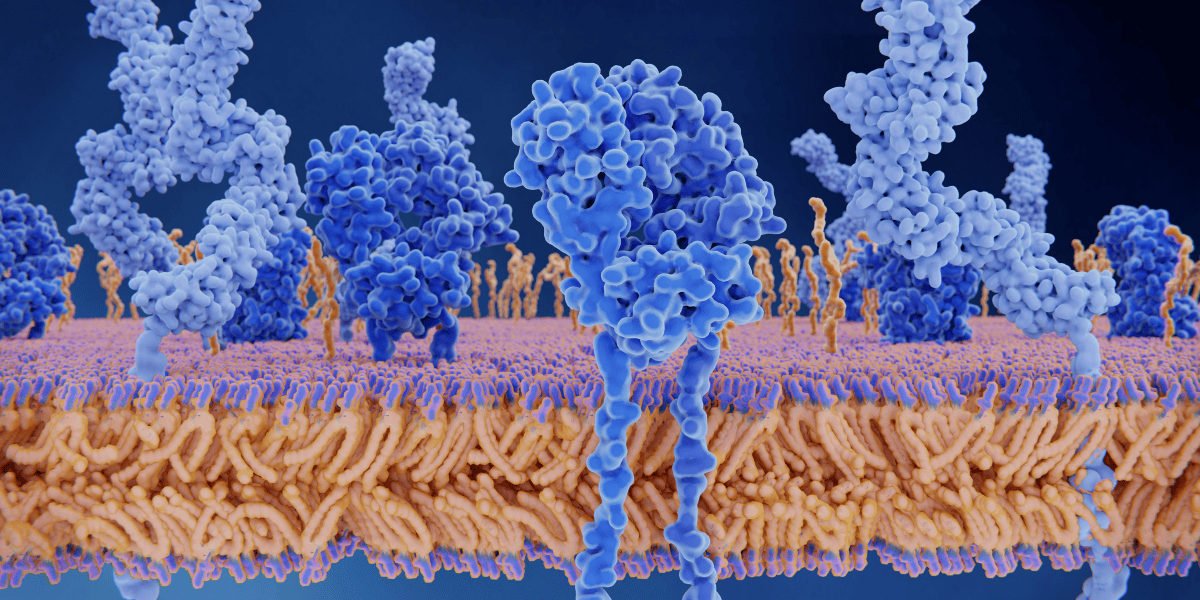
Meningococcal antibodies are immunoglobulins that recognize antigens from Neisseria meningitidis, the bacterium that can cause meningitis and invasive meningococcal disease. Common antigenic targets include the polysaccharide capsule that defines serogroups (A, B, C, W, Y, X), outer membrane proteins, and lipooligosaccharide. Different antibody classes—primarily immunoglobulin G (IgG) and immunoglobulin M (IgM)—play roles at various stages after infection or vaccination.
Types and specificity
Antibodies against meningococcal capsule polysaccharides are often serogroup-specific. For example, antibodies that bind the polysaccharide capsule of serogroup C do not necessarily protect against serogroup B. Some vaccines target common protein antigens to broaden protection, as in the case of serogroup B vaccines that use outer membrane proteins or factor H binding protein.
Mechanisms of protection
Key mechanisms include:
- Serum bactericidal activity (SBA): antibodies trigger complement-mediated lysis of bacteria.
- Opsonization: antibodies coat bacteria to enhance phagocytosis by neutrophils and macrophages.
- Neutralization of virulence factors and blockade of bacterial adhesion to mucosal surfaces.
Meningococcal antibodies and vaccination
Vaccination stimulates production of meningococcal antibodies without causing disease. Conjugate vaccines link polysaccharides to a protein carrier to improve immunogenicity, especially in infants and young children, and to induce immunologic memory. Several vaccine types exist: polysaccharide-protein conjugates targeting A, C, W, Y (often given as MenACWY), and protein-based vaccines targeting serogroup B (MenB).
How vaccines influence antibody responses
Conjugate vaccines produce high-affinity IgG responses and establish memory B cells that can respond rapidly to future exposure. Protein-based vaccines for serogroup B aim to generate antibodies against conserved surface proteins. Immunogenicity studies commonly measure serum bactericidal antibody titers as a correlate of protection; regulatory agencies such as the U.S. Food and Drug Administration (FDA) and the European Medicines Agency evaluate these data when licensing vaccines.
Duration and boosters
Antibody levels decline over time; the rate varies by age at vaccination, vaccine type, and individual immune response. Booster doses are recommended in some schedules to restore protective antibody concentrations. National immunization advisory bodies (for example, the Advisory Committee on Immunization Practices in the United States) publish schedules reflecting current evidence.
Laboratory testing and interpretation
Serology and the serum bactericidal assay
Serologic assays assess presence and function of meningococcal antibodies. The serum bactericidal assay (SBA) measures the ability of antibodies plus complement to kill bacteria and is a standard functional test used in vaccine studies. Enzyme-linked immunosorbent assays (ELISAs) quantify antigen-specific IgG concentrations. Results are interpreted in context: protective thresholds are assay-dependent and established in vaccine trials.
Limitations of testing
Routine clinical practice rarely requires individual SBA testing. Serologic results do not replace clinical evaluation in suspected meningococcal disease. Laboratory methods differ across studies and countries, so direct comparison of titers from different laboratories requires caution.
Public health perspective and guidance
Because meningococcal disease can be rapid and severe, public health agencies monitor serogroup distribution and vaccine effectiveness. The World Health Organization (WHO) and the U.S. Centers for Disease Control and Prevention (CDC) provide guidance on outbreak control, vaccination strategies, and use of chemoprophylaxis for close contacts. Vaccine recommendations vary by age group, risk factors, and geographic region.
For official information on meningococcal disease and immunization, consult the CDC meningococcal disease page: https://www.cdc.gov/meningococcal/index.html
Research directions and challenges
Ongoing research areas include improving breadth and duration of vaccine-induced antibodies, identifying novel conserved antigens, understanding immune responses in infants and older adults, and developing assays that better predict protection across serogroups. Surveillance of circulating strains and molecular characterization of outbreaks inform vaccine policy and development.
Key concepts to remember
- Meningococcal antibodies target capsule polysaccharides and surface proteins of Neisseria meningitidis.
- Functional assays like SBA are used to infer protective immunity in vaccine studies.
- Vaccination remains the primary preventive strategy; schedules vary by jurisdiction and risk group.
- Public health agencies such as WHO and CDC guide vaccine use and outbreak responses.
Further reading and authoritative sources
For updated recommendations and epidemiology, consult national immunization advisory bodies and international public health organizations. Peer-reviewed journals and reviews in infectious disease and vaccinology provide detailed evidence on immunogenicity and correlates of protection.
Frequently asked questions
What are meningococcal antibodies and how do they protect against infection?
Meningococcal antibodies are specific immunoglobulins that bind Neisseria meningitidis antigens, promoting bacterial killing through the complement system (serum bactericidal activity) and enhancing phagocytosis (opsonization). Their presence after vaccination or natural exposure reduces the likelihood of invasive disease.
Can a blood test show whether meningococcal antibodies are present?
Yes. Serologic tests such as ELISA can detect antigen-specific IgG, and functional assays like the serum bactericidal assay measure antibody activity. These tests are mainly used for research and vaccine evaluation rather than routine clinical decision-making.
Do meningococcal vaccines produce long-lasting antibodies?
Vaccines elicit strong antibody responses, but levels decline over time. Conjugate vaccines generally induce immunologic memory and longer-lasting protection than plain polysaccharide vaccines; booster doses may be recommended depending on age, risk, and local guidelines.
Is this article medical advice?
No. This article provides general information. For personal medical questions or vaccination recommendations, consult a licensed healthcare professional or local public health authority.