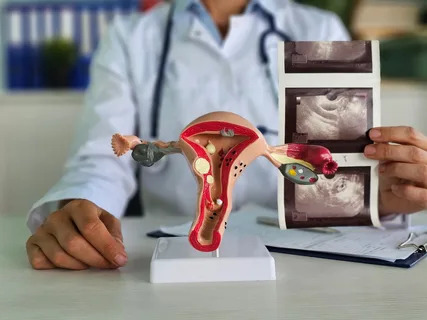
Beyond Hot Flashes: Reclaiming Grace and Inner Balance During the Menopause Transition
-

- Published Updated
- 56 views
There is a moment many women experience in their late 40s that feels a bit like betrayal. You wake up at 3:15 AM with your heart racing, kick off the blankets in a wave of unbearable internal heat, and then, five minutes later, reach for those same blankets while shivering in the dark.
By morning, the exhaustion settles in. You pour a fresh cup of coffee, only to feel an unexpected surge of irritability over an misplaced set of keys.
If this sounds familiar, you are living through a profound biological shift. Perimenopause and menopause represent one of the most significant physical and emotional transitions in a woman's life. Yet, in modern society, we are often conditioned to treat this stage as a medical breakdown—a chaotic period of hormonal decline to be quieted, tolerated, or hidden away.
What if we stopped viewing menopause as an illness and started seeing it as a natural evolution?
For thousands of years, classical Indian medicine has referred to this stage as Rajonivritti—the peaceful conclusion of the reproductive years. Rather than treating it as a physiological failure, ancient wisdom views menopause as a sacred shift in a woman's energy, moving her into a time defined by wisdom, mental clarity, and deeper self-care.
To navigate this journey with grace, we need to look beyond quick fixes and understand the subtle internal shifts that dictate how our bodies respond.
Reading the Shift: Why Menopause Hits Everyone Differently
One of the most frustrating aspects of perimenopause is that no two women experience it the exact same way. Your closest friend might complain constantly about joint stiffness and severe brain fog, while you find yourself fighting sudden night sweats and uncharacteristic anxiety.
This variance happens because your body is recalibrating two fundamental governing energies: Vata and Pitta.
1. The Vata Foundation (Air and Space)
In classical philosophy, the years after age 50 represent a naturally Vata-dominant stage of life. Vata governs movement, dryness, circulation, and the nervous system. As estrogen levels decline, the dry, cold, and unpredictable qualities of Vata naturally rise.
When Vata becomes ungrounded, it creates distinct physical markers:
Persistent insomnia and light, fragmented sleep.
Dryness affecting the skin, hair, and vaginal tissues.
Joint creaking, stiffness, and lower back discomfort.
Scattered thinking, sudden anxiety, and feeling emotionally unmoored.
2. The Pitta Surge (Fire and Water)
While Vata provides the underlying stage for menopause, Pitta—the energy of heat, digestion, and transformation—is responsible for the sharper, intense symptoms.
When hormone levels fluctuate wildly, internal heat surges upward. This Pitta disturbance triggers the hallmark signs most women dread:
Sudden hot flashes that rush toward the face and chest.
Drenching night sweats.
Skin breakouts and sudden flushing.
Sharp spikes of anger, impatience, or irritability.
When you understand whether your symptoms stem from cold, dry Vata or fiery, intense Pitta, managing your well-being becomes far less confusing.
Botanical Wisdom: Nature’s Rejuvenative Allies
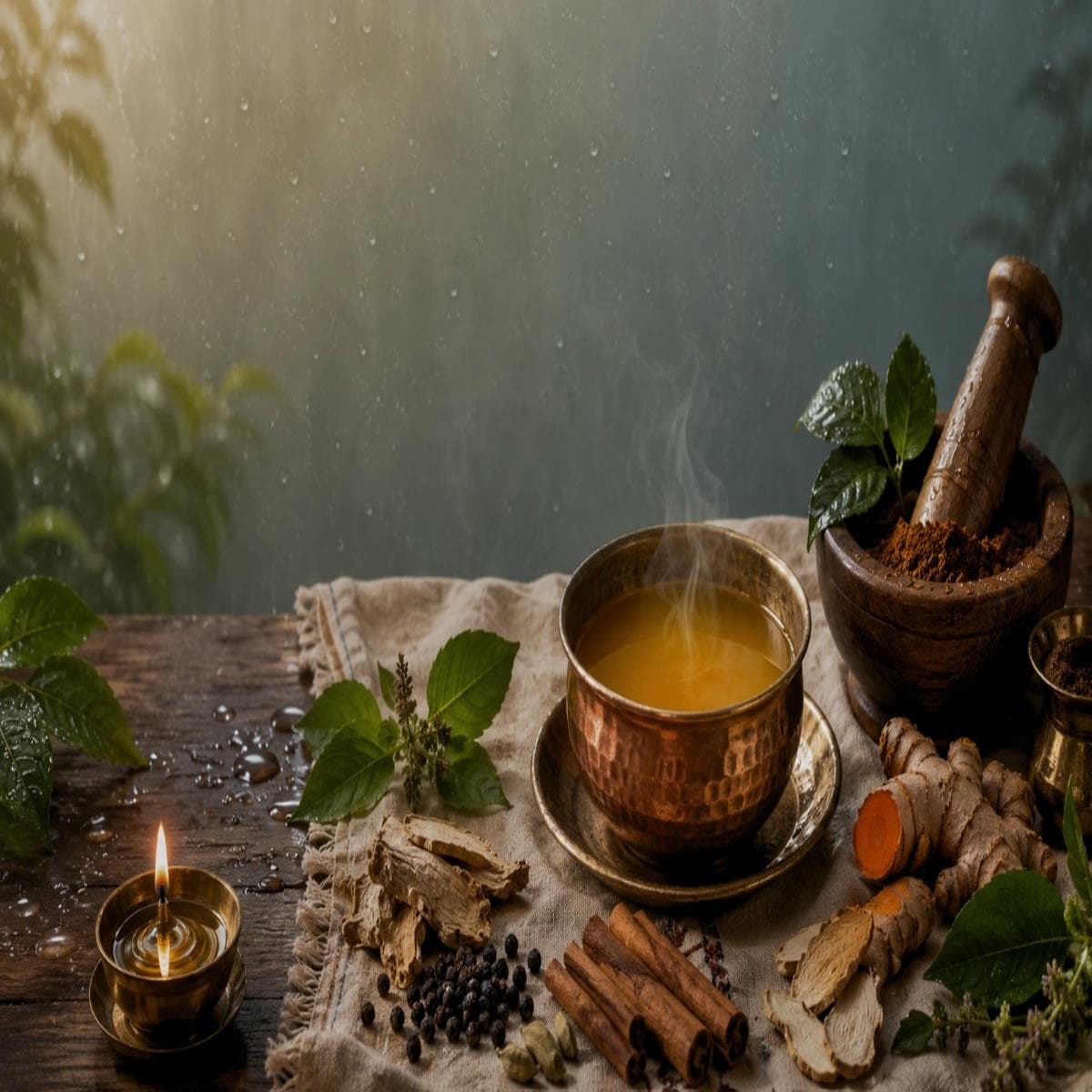
Herbal support during this life stage should never be about taking random supplements off a store shelf. Traditional botanicals act as gentle adaptogens, helping the endocrine system recalibrate without harsh shocks to your physiology.
An experienced practitioner typically relies on a few key botanical allies:
Shatavari (Asparagus racemosus): Celebrated for centuries as the primary rejuvenative herb for women. Shatavari possesses sweet, cooling, and deeply lubricating qualities. It works beautifully to soothe internal Pitta heat, ease hot flashes, and deeply nourish dry tissues.
Ashoka (Saraca asoca): Known for supporting uterine comfort and regulating irregular, heavy, or erratic cycles during the unpredictable perimenopausal years.
Brahmi (Bacopa monnieri): A renowned nervous system tonic that cools an overheated mind, reduces mental fatigue, and calms emotional turbulence.
To learn more about how specific herbal formulations and doctor-led care plans work together during this shift, read this detailed breakdown on
Daily Rhythms: Simple Practices for Sustained Balance
While clinical therapies provide deep relief, your daily habits create the baseline environment for your hormones. Small, deliberate shifts in your routine can yield surprising improvements in how you feel each day:
1. Shift to Grounding, Warm Foods
Ice water, raw salads, and dry, crunchy snacks aggravate Vata dryness and disrupt digestion. Instead, favor warm, freshly cooked meals with healthy fats like organic ghee, sesame oil, and cooked grains. Incorporate mild spices like cumin, coriander, and fennel to support digestion without stoking internal heat.
2. Practice Daily Abhyanga (Warm Oil Massage)
Vata energy thrives on warmth and stability. Spending ten minutes before a warm shower massaging your body with warm sesame or almond oil grounds the nervous system, hydrates dry skin, improves lymphatic flow, and promotes deeper sleep.
3. Cool the Mind with Bhramari Pranayama
When a hot flash or sudden wave of anxiety hits, your breath is your fastest tool. Practicing Bhramari (humming bee breath) or Anulom Vilom (alternate nostril breathing) for five to ten minutes daily lowers stress hormones, cools Pitta heat, and calms hyperactive mental energy.
Finding Sanctuary in Structured Care
Hormonal health doesn't exist in a vacuum; it is deeply tied to your stress levels, sleep environment, and gut health. Trying to address complex hormonal changes with isolated remedies often leads to frustration.
Stepping away from everyday responsibilities to experience a structured, physician-guided wellness retreat allows your system to undergo a true reset. Specialized therapies like Shirodhara (a warm stream of medicated oil poured rhythmically over the forehead) and customized Abhyanga sessions work directly on the autonomic nervous system to soothe deep-seated tension and restore healthy sleep patterns.
When you are ready to explore doctor-led care, authentic Panchakarma centers, and specialized retreats across India, platforms like