Deep Cleanse, Dubai Style: A Practical Guide to Men's Hydrafacial Treatments
-

- March 08th, 2026
- 1,342 views
Men's Hydrafacial Dubai treatments are marketed as a non-invasive multi-step facial designed to cleanse, exfoliate, extract, and hydrate skin using wound-free vacuum extraction and tailored serums. This guide explains how the procedure works, what men can expect in Dubai clinics, and practical aftercare considerations for humid and sun-exposed environments.
- Men's Hydrafacial Dubai is a branded multi-step facial focused on deep cleaning, exfoliation, extraction, and hydration.
- Typical session steps: cleanse, exfoliate, extract, infuse serums, optional boosters or LED therapy.
- Consider skin type, recent aesthetic treatments, and sun exposure before booking; consult a licensed dermatologist or regulated esthetician.
- Look for clinics compliant with local health regulators such as the Dubai Health Authority for safety and practitioner licensing.
What the treatment is and how it works
Procedure overview
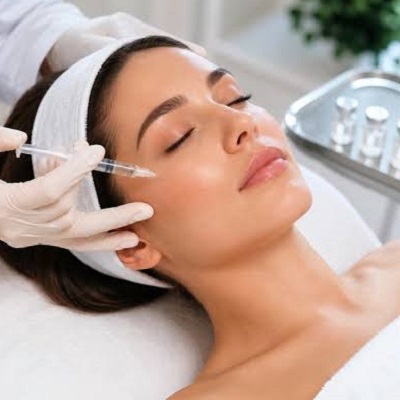
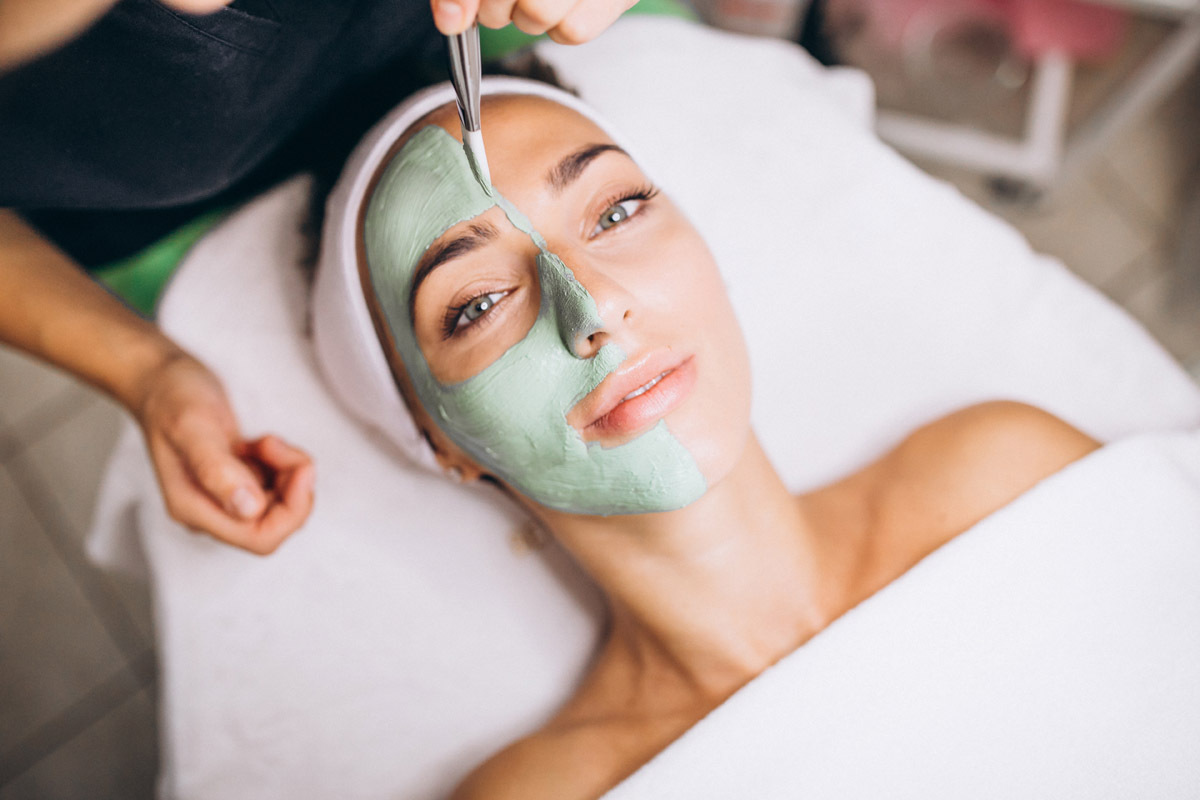
The treatment combines mechanical exfoliation, vortex-suction extraction, and topical infusion of hydrating and antioxidant serums. Equipment uses a handheld device to remove dead skin cells and extract debris from pores while simultaneously delivering moisturizers and targeted ingredients such as hyaluronic acid or antioxidants. Some clinics add optional steps like chemical exfoliation or low-level LED light therapy to address specific concerns.
Why men may choose this option
Men often seek procedures that reduce oiliness, unclog pores and manage ingrown hairs from shaving. The method targets pore congestion and surface buildup without aggressive downtime, which can fit into busy schedules. Results can include smoother texture, reduced blackheads, and temporary improvement in radiance.
Men's Hydrafacial Dubai: What to expect in a clinic
Consultation and assessment
A pre-treatment consultation should assess skin type, medical history, recent procedures (laser, chemical peels), and current medications. Clinics in Dubai commonly document this assessment to tailor serums and any booster steps for concerns such as hyperpigmentation or sensitivity.
Typical session length and sensations
Most sessions last 30–60 minutes. Sensations are generally described as mild suction and cooling from topical serums. Immediate redness can occur but usually subsides within hours. The provider should explain all steps and expected transient effects before beginning.
Benefits and limitations
Potential benefits
- Immediate superficial cleansing and smoother skin texture
- Temporary reduction in visible blackheads and oiliness
- No-cut, low-downtime option suitable for routine maintenance
Limitations and realistic expectations
Results are often short-term; multiple sessions or supportive skincare may be needed for lasting change. The procedure does not replace medical treatments for inflammatory acne, deep scarring, or conditions that require prescription therapy. For persistent concerns, consultation with a dermatologist or skin specialist is recommended.
Safety, regulation, and local considerations
Regulatory context in Dubai
Clinics and practitioners in Dubai should operate under local health regulations and licensing. The Dubai Health Authority (DHA) sets standards for clinical practice and facility licensing; patients may verify practitioner credentials and clinic approvals with relevant regulators before treatment. For general clinical guidance on safe skin care and procedures, recognized professional bodies such as the American Academy of Dermatology and other dermatology associations provide evidence-based recommendations.
Who should avoid or delay treatment
Avoid the treatment for active infections, open wounds, recent heavy chemical peels, or aggressive laser procedures until cleared by a clinician. Inform the provider about isotretinoin use and other medications that affect skin healing.
Pre-treatment and aftercare tips
Before the appointment
- Avoid intense sun exposure and tanning for at least a week prior.
- Discontinue exfoliating acids and retinoids as advised by the provider.
- Notify the clinic of any skin treatments received in the past 4–6 weeks.
Aftercare and maintenance
- Use sunscreen daily; Dubai’s sun intensity increases photosensitivity risks after exfoliation.
- Follow a gentle cleanser and moisturizer routine; avoid harsh scrubs for several days.
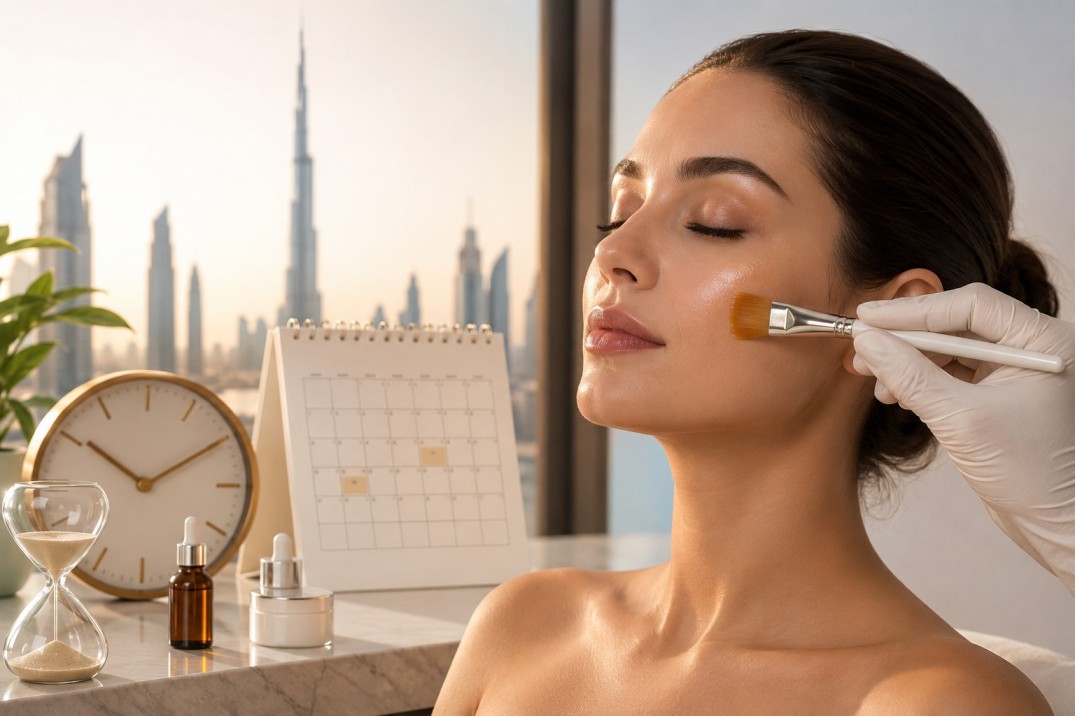
- Schedule repeat maintenance treatments based on skin goals—many clients opt for monthly sessions for short-term upkeep.
Choosing a clinic and assessing value
Credentials and equipment
Verify practitioner training and clinic hygiene standards. Licensed dermatologists, plastic surgeons, or regulated medical estheticians generally indicate higher clinical oversight. Ask about device maintenance, disposable tips, and serum ingredients used during the session.
Cost considerations
Costs vary by location, add-on boosters, and practitioner level. Compare services, read recent client feedback, and prioritize accredited facilities and practitioner qualifications over price alone.
FAQ
Is a Men's Hydrafacial Dubai treatment suitable for all skin types?
Many skin types can tolerate the treatment, but suitability depends on individual conditions such as active acne, rosacea, or recent aggressive procedures. A licensed clinician should assess skin type and create a tailored plan.
How soon are results visible and how long do they last?
Immediate improvements in texture and radiance are common, but longevity varies. Maintenance sessions and appropriate home skincare extend effects; permanent changes usually require targeted dermatologic treatments.
Are there common side effects?
Temporary redness, mild sensitivity, or slight peeling are typical. More serious reactions are uncommon when performed by trained practitioners. Report prolonged irritation, infection signs, or unexpected pain to a clinician promptly.
How to verify a clinic’s credentials in Dubai?
Check the clinic’s licensing and practitioner registration with local health regulators such as the Dubai Health Authority and request proof of qualifications and insurance for medical staff.
Can maintenance be combined with other treatments?
Combining with other procedures is possible but timing matters. Coordinate with providers to space aggressive treatments appropriately and reduce risk of irritation or adverse effects.
What questions should be asked during the consultation?
Ask about practitioner qualifications, specifics of the device and serums used, expected downtime, potential risks, post-care steps, and how treatment will be customized for beard or shaving needs.
For persistent or complex skin concerns, seek assessment from a licensed dermatologist or relevant medical specialist to determine the most appropriate care plan.