Milk Delivery App Development: Complete Guide to Build, Launch and Scale
-
- February 25th, 2026
- 1,419 views

FREE SEO Topical Map Generator: Find Your Next Content Ideas
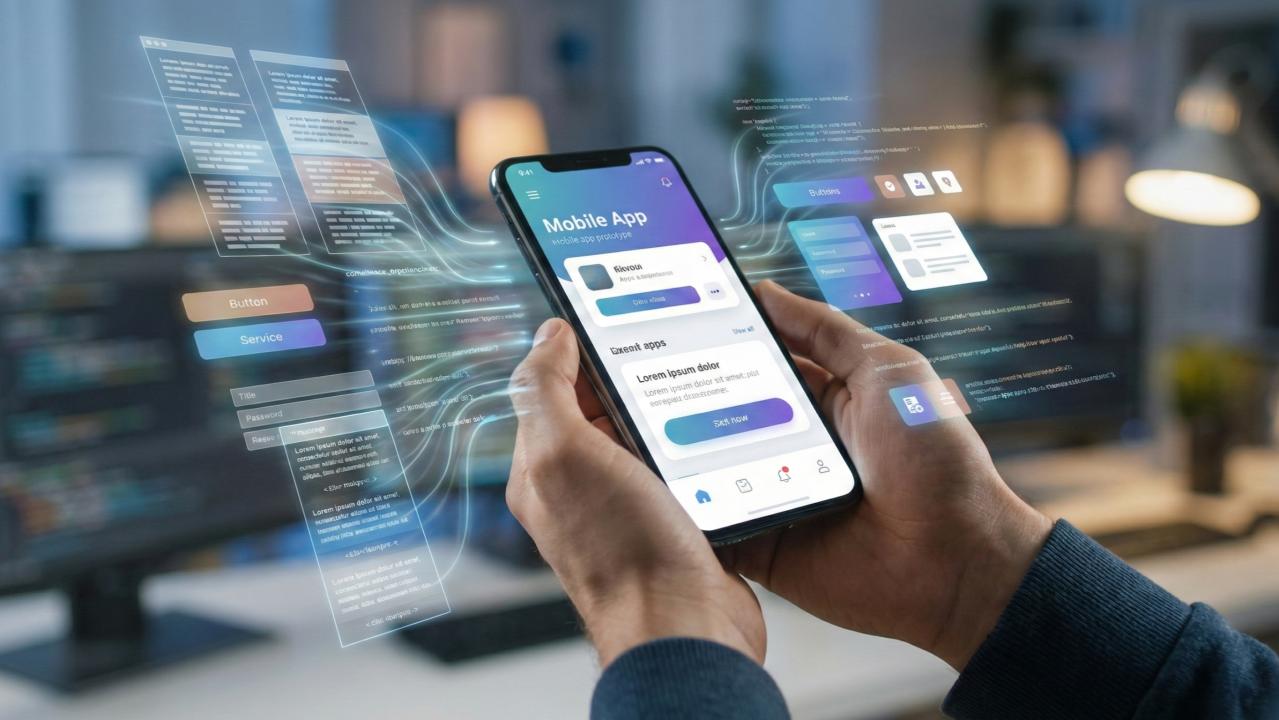
The shift toward on-demand and subscription commerce has increased interest in milk delivery app development for businesses and startups aiming to serve local consumers with fresh dairy products. This guide outlines core features, technical architecture, regulatory considerations, and operational workflows to build a reliable milk delivery platform that handles perishable goods, cold-chain logistics, and recurring orders.
- Define target customers and delivery radius before selecting features.
- Prioritize temperature monitoring, route optimization, and subscription management.
- Design for regulatory compliance and food-safety traceability.
- Use scalable cloud architecture and integrate reliable payment and notification services.
Milk delivery app development: Key considerations
Core decisions in milk delivery app development should align product design with the realities of perishable-goods distribution. Key considerations include inventory freshness, cold-chain requirements, last-mile delivery, subscription and one-off purchase flows, and local licensing or health department rules.
Market research and business model
Target audience and value proposition
Identify primary user segments: households seeking fresh dairy, small retailers, cafés, or subscription customers. Define value propositions such as daily doorstep delivery, organic or dairy-farm-sourced milk, timed deliveries, or bundled grocery options.
Revenue streams
Consider subscription plans, per-delivery fees, delivery zone surcharges, partnerships with producers, and premium features (e.g., temperature-controlled packaging). Evaluate unit economics including cost per delivery, driver compensation, and spoilage risk.
Essential features for a milk delivery app
Customer-facing features
- User registration and verification (email, SMS OTP)
- Product catalog with freshness indicators and source details
- Subscription management (frequency, delivery windows, pauses or cancellations)
- Real-time order tracking and estimated arrival
- Payments, receipts, and promo codes
- Ratings, reviews, and customer support
Driver and logistics features
- Driver onboarding and document verification
- Route optimization and batch delivery planning
- Proof of delivery (photo, signature) and contactless options
- Temperature logging and cold-chain alerts for perishable items
Technical architecture and integrations
Backend and infrastructure
Use a scalable cloud backend with REST or GraphQL APIs, relational databases for orders and inventory, and time-series storage for temperature and telemetry. Containerization and microservices help manage load and isolate components like payments, notifications, and analytics.
Essential integrations
- Payment gateway for secure card and digital-wallet processing
- Maps and GPS services for geocoding and route optimization
- SMS and push-notification services for order updates
- IoT or BLE integrations for temperature sensors within delivery vehicles or crates
UX/UI and accessibility
Design flows for quick repeat orders and clear subscription controls. Optimize onboarding to capture delivery address, preferred time windows, and dietary preferences. Ensure accessibility (WCAG) compliance and simple navigation for users making frequent, fast purchases.
Operations, logistics and cold-chain management
Inventory and freshness management
Implement batch tracking, expiration alerts, and FIFO (first-in, first-out) rules to reduce spoilage. Record producer lot numbers for traceability and recall handling.
Last-mile delivery strategies
Choose between in-house delivery, third-party couriers, or hybrid models. For perishable goods, prioritize dedicated routes and insulated containers or refrigerated vehicles. Implement route clustering to maintain temperature control and cut delivery times.
Compliance and food safety
Regulatory compliance is critical for milk and other dairy products. Requirements vary by country and local health authorities and may involve licensing, labeling, and storage standards. Reference official guidance from regulators such as the U.S. Food and Drug Administration for food safety principles when operating in the United States: U.S. Food and Drug Administration. Maintain records for inspections, temperature logs, and supplier certificates.
Testing, launch and growth
Pilot testing
Start with a small geographic pilot to validate routes, packaging, and customer experience. Use telemetry and customer feedback to iterate on delivery windows and subscription UX.
Scaling and metrics
Track retention, average order value, delivery cost per order, on-time delivery rate, and spoilage rate. Optimize pricing, route algorithms, and batch sizes to improve margins as order volume grows.
Security and privacy
Protect customer payment data and personal information through PCI-compliant payment processors, encrypted storage, and least-privilege access controls. Comply with regional data-protection laws such as GDPR where applicable.
Maintenance and continuous improvement
Plan for regular updates to maps, payment SDKs, and security patches. Monitor telemetry for temperature and delivery performance, and implement A/B testing for UX improvements and conversion optimization.
Costs and timeline
Development costs vary based on feature scope, integrations, and geographic coverage. A minimal viable product (MVP) for local delivery with subscription, basic tracking, and payments can take 3–6 months for a small team, while fully featured platforms with IoT telemetry and fleet management may require 6–12 months and higher investment.
How much does milk delivery app development cost?
Costs depend on complexity, platform targets (iOS, Android, web), and integrations. Common cost drivers include route-optimization services, temperature-sensor hardware, and regulatory compliance work. Budget planning should include development, testing, hardware, and initial marketing or pilot operations.
What are best practices for launching a pilot?
Start in a defined service area, partner with a local dairy or co-op, test packaging and cold-chain methods, and collect early metrics on delivery punctuality and product quality. Iterate quickly based on customer feedback.
How to ensure regulatory compliance for milk delivery app development?
Consult local health departments and food-safety regulators early, obtain necessary permits, document supplier certificates, and maintain traceability and temperature logs to facilitate inspections and recalls.
Can features be added after launch?
Yes. Modular architecture and phased development enable adding features like dynamic pricing, advanced analytics, or third-party marketplace listings after validating core flows.
How to measure success for a milk delivery app?
Monitor retention rate, average deliveries per subscriber, on-time delivery percentage, delivery cost per order, and customer satisfaction scores. Use these KPIs to refine routing, pricing, and marketing strategies.