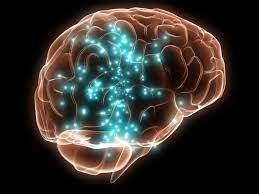
How the Mind-Body Link Shapes Effective Pain Management
-
- March 19th, 2026
- 1,773 views

FREE SEO Topical Map Generator: Find Your Next Content Ideas
Introduction
The mind-body link in pain management has become a central concept in understanding why people experience pain differently and how treatment can address both physical and psychological contributors. Research shows that pain is not only a signal from tissues but also an experience shaped by the nervous system, emotions, thoughts, and social context.
- Pain arises from interactions among biological, psychological, and social factors.
- The mind-body link affects pain perception through neural processes like central sensitization and neuroplasticity.
- Nonpharmacologic treatments—such as cognitive behavioral therapy, exercise, and mindfulness—address mind-body interactions and are supported by clinical guidelines.
- Multidisciplinary care and coordination with licensed clinicians improve outcomes for persistent pain.
The mind-body link in pain management
Understanding the mind-body link in pain management involves recognizing that nociception (the detection of tissue damage) and pain (the subjective experience) are distinct. Neural pathways in the spinal cord and brain interpret signals using prior learning, expectations, mood, and attention. This interpretation can amplify or dampen pain, producing variability between individuals with similar injuries.
Biological mechanisms that connect mind and body
Neuroplasticity and central sensitization
Long-term changes in nervous system function—neuroplasticity—can increase pain sensitivity. Central sensitization refers to heightened responsiveness of neurons in the spinal cord and brain to stimuli, which may make non-painful inputs feel painful (allodynia) or amplify painful signals (hyperalgesia).
Brain networks and emotion
Regions involved in emotion, attention, and memory (for example, the prefrontal cortex, anterior cingulate cortex, and amygdala) interact with sensory systems to shape pain experience. Anxiety, fear, and catastrophizing are psychological states that can strengthen pain signals, while positive coping and distraction can reduce perceived intensity.
Sleep, inflammation, and hormones
Poor sleep, chronic stress, and inflammatory processes influence pain sensitivity through hormonal and immune pathways. Improving sleep quality and managing stress can therefore have measurable effects on pain outcomes.
Psychosocial contributors
Beliefs, expectations, and behavior
Beliefs about pain and expectations for recovery influence activity levels and adherence to therapy. Fear-avoidance behaviors—avoiding movement due to fear of pain—can lead to deconditioning and prolonged disability.
Social and environmental factors
Workplace demands, social support, socioeconomic status, and cultural attitudes toward pain shape coping strategies and access to care. These social determinants are an integral part of a comprehensive assessment.
Evidence-based approaches that address the mind-body link
Cognitive and behavioral therapies
Cognitive behavioral therapy (CBT) and related psychological interventions aim to modify unhelpful thoughts, reduce catastrophizing, and teach coping skills. These approaches have been shown to improve function and reduce pain-related distress in many clinical trials.
Mindfulness and acceptance-based approaches
Mindfulness-based stress reduction (MBSR) and acceptance and commitment therapy (ACT) emphasize present-moment awareness and values-based action. Evidence suggests these can reduce pain interference and improve quality of life for some people living with persistent pain.
Graded activity and exercise
Structured, progressive physical activity can address deconditioning, improve function, and alter pain-processing pathways. Programs that combine exercise with education and behavioral strategies often deliver better outcomes than exercise alone.
Multidisciplinary care and coordination
Integrated teams—combining clinicians such as primary care providers, physical therapists, psychologists, and pain specialists—can tailor interventions that address biological, psychological, and social contributors simultaneously. Clinical guidance increasingly favors multimodal, nonpharmacologic first-line options for many types of persistent pain.
How research and guidelines inform practice
Organizations that fund and review pain research, including national institutes and public health agencies, emphasize the biopsychosocial model and recommend nonpharmacologic strategies for many patients. Regulatory bodies, such as the U.S. Food and Drug Administration (FDA), and clinical guideline developers review evidence for safety and effectiveness when advising on treatments or medications.
For summaries of research on pain mechanisms and clinical recommendations, authoritative sources include federal research institutes and academic reviews. See the National Institute of Neurological Disorders and Stroke for overviews of pain research and resources: https://www.ninds.nih.gov/
Practical considerations
Assessment and goal-setting
A comprehensive assessment should evaluate physical findings, emotional factors, sleep, activity levels, and social context. Collaborative goal-setting that focuses on function (for example, returning to work or daily activities) often aligns treatment with patient priorities.
Access and equity
Access to multidisciplinary care may be limited by geography, insurance coverage, or socioeconomic barriers. Telehealth, community programs, and stepped-care models are strategies used to improve access while maintaining quality of care.
Limitations and ongoing research
Evidence continues to evolve about which combinations of treatments are most effective for different pain conditions and populations. Research into biomarkers, personalized approaches, and long-term outcomes seeks to refine how the mind-body link is addressed in clinical practice.
Key takeaways
- Pain is influenced by biological, psychological, and social factors; treating pain effectively often requires addressing all three.
- Nonpharmacologic interventions—psychological therapies, mindfulness, and graded exercise—target mind-body interactions and are supported by clinical evidence.
- Coordination among clinicians and alignment of treatment with functional goals improve the likelihood of meaningful benefit.
Frequently asked questions
What is the mind-body link in pain management?
The mind-body link in pain management refers to how brain processes, emotions, thoughts, and social context interact with biological signals to shape the subjective experience of pain. Addressing these interactions can change pain outcomes without relying solely on medications.
Can psychological therapy actually reduce physical pain?
Psychological therapies such as CBT and mindfulness do not change physical tissue damage but can reduce pain intensity, improve coping, and increase function by altering attention, expectations, and stress responses that influence nervous system processing.
Are there risks to mind-body approaches?
Most mind-body interventions are low risk when delivered by qualified practitioners. It is important to coordinate care with licensed clinicians and to combine psychological or behavioral strategies with appropriate medical evaluation for underlying physical conditions.
How to find reliable information and care?
Seek information from recognized health agencies, academic institutions, and licensed healthcare providers. Multidisciplinary pain clinics, primary care clinicians, and professional societies can offer referrals and evidence-based resources.