Mini Gastric Bypass in Dubai — Comprehensive Guide to Procedure, Recovery, and Costs
-

- Published Updated
- 1,370 views
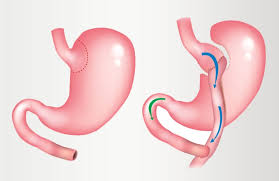
The mini gastric bypass Dubai option is an increasingly discussed surgical approach for people seeking durable weight loss and improvement in obesity-related conditions. This article explains how the procedure works, who may be a candidate, typical recovery steps, potential risks and benefits, and practical information about choosing a clinic in Dubai.
- Mini gastric bypass is a variation of bariatric surgery that alters stomach and small intestine anatomy to reduce calorie absorption and intake.
- Candidates are typically adults with obesity-related health conditions who meet established clinical criteria; local regulation by the Dubai Health Authority (DHA) and UAE Ministry of Health and Prevention applies.
- Benefits can include substantial weight loss and improvement in type 2 diabetes and hypertension; risks include leaks, nutritional deficiencies, and dumping syndrome.
- Recovery usually involves a staged diet, follow-up care, and long-term nutritional monitoring.
mini gastric bypass Dubai: Overview
Mini gastric bypass (also called single-anastomosis gastric bypass by some surgical groups) creates a smaller stomach pouch and connects it to a loop of the small intestine. The change reduces the amount of food that can be eaten and modifies nutrient absorption and gut hormones involved in hunger and blood sugar regulation. Surgical practice in Dubai follows clinical standards set by local regulators such as the Dubai Health Authority and national guidelines from the UAE Ministry of Health and Prevention, while clinical outcomes are compared with international standards and peer-reviewed research.
Who may be a candidate
General eligibility criteria
Typical eligibility aligns with international bariatric surgery guidelines: adults with a body mass index (BMI) generally 40 kg/m² or higher, or 35 kg/m² or higher with significant obesity-related comorbidities (for example, type 2 diabetes, obstructive sleep apnea, or severe joint disease). Individual assessment includes medical history, prior weight-loss attempts, psychological evaluation, and a review of eating patterns.
Preoperative assessment
Preoperative work-up commonly includes blood tests, imaging when indicated, nutritional assessment, and consultations with bariatric surgeons, anesthesiologists, and dietitians. Screening for conditions that could complicate surgery, such as uncontrolled heart disease, is routine. Local clinic accreditation and surgeon experience should be considered when evaluating options in Dubai.
Procedure details and recovery
Surgical approach
The mini gastric bypass is usually performed laparoscopically (keyhole surgery) under general anesthesia. The operation creates a narrow gastric tube and connects it to a loop of small intestine, bypassing a segment of bowel and the rest of the stomach. Operative time varies, and same-day or short hospital stay protocols may apply depending on patient health and facility practices.
Typical recovery timeline
Recovery includes a staged dietary program beginning with liquids, progressing to pureed foods, then soft foods, and finally regular textured foods over weeks to months. Pain and activity restrictions are generally limited to the immediate postoperative period. Nutritional supplementation and routine blood monitoring are essential to detect and manage vitamin and mineral deficiencies that can occur after bypass procedures.
Benefits and risks
Potential benefits
Clinical studies and registry data suggest that bariatric procedures, including mini gastric bypass variants, can produce significant and sustained weight loss and improvement in metabolic conditions such as type 2 diabetes and hypertension. Quality-of-life measures often improve after successful surgery.
Possible complications
Complications can include surgical-site infection, bleeding, anastomotic leak, bowel obstruction, nutritional deficiencies (iron, vitamin B12, vitamin D, calcium), and dumping syndrome. Long-term follow-up with a multidisciplinary team helps identify and treat these issues early.
Costs, choosing a clinic, and regulatory considerations
Cost considerations in Dubai
Costs vary by facility, surgeon experience, and included services (preoperative assessment, hospital stay, anesthesia, follow-up care). Patients should request detailed written estimates and confirm what is covered by health insurance. The Dubai Health Authority maintains facility licensing and can provide guidance on accredited hospitals and clinics.
Choosing a service provider
When selecting a clinic or surgeon, consider the following: board certification or equivalent credentials, specific experience with mini gastric bypass procedures, published outcome data or registry participation, multidisciplinary support (nutrition, psychology, physiotherapy), and clear pre- and postoperative care plans. Request references and verify accreditation with local health authorities.
Evidence, guidelines, and official resources
Information on obesity prevalence and public health guidance can be found through global authorities such as the World Health Organization. Local regulations and licensing are provided by the Dubai Health Authority and the UAE Ministry of Health and Prevention. Professional societies, including surgical and metabolic/bariatric associations, publish clinical guidance and outcome data that inform practice.
For global statistics on overweight and obesity, see the World Health Organization fact sheet: WHO obesity facts.
Practical next steps
Individuals considering surgery should obtain a comprehensive medical evaluation, review potential benefits and risks with qualified clinicians, and ensure access to long-term follow-up for nutrition and metabolic monitoring. Asking questions about surgeon experience, complication rates, follow-up protocols, and available support services can help in decision-making.
FAQ
Is mini gastric bypass Dubai available to international patients?
Many hospitals in Dubai provide services for international patients, but availability varies. Confirm visa, accommodation, and clinic arrangements in advance and verify that the chosen facility offers comprehensive preoperative evaluation and postoperative follow-up or coordination with local providers in the patient’s home country.
How long does recovery from mini gastric bypass usually take?
Initial recovery typically takes a few weeks for most day-to-day activities, while full dietary adaptation and stabilization of weight loss may take several months. Return to work depends on the individual’s job demands and overall health.
Is mini gastric bypass Dubai suitable for me?
Eligibility must be determined through a formal clinical assessment. Factors include BMI, obesity-related conditions, prior medical history, and willingness to adhere to lifelong dietary and supplementation requirements. Consultation with an accredited bariatric team is required for personalized evaluation.
What long-term follow-up is required after the procedure?
Long-term care often includes regular medical reviews, nutritional assessments, blood tests for vitamin and mineral levels, and support for lifestyle changes. This follow-up helps prevent and manage deficiencies and monitor weight-maintenance progress.
Note: This article is informational and not a substitute for professional medical advice. Consult licensed healthcare professionals and local regulatory bodies for personalized guidance.