Why Modern Screen Enclosure Companies Are Transforming Outdoor Living
-

- February 23rd, 2026
- 1,583 views

Get a free topical map and start building content authority today.
Screen enclosure companies are increasingly central to how homeowners and designers extend usable living space outdoors. These firms combine engineering, materials science, and design to create screened porches, pool cages, and full outdoor rooms that address insects, weather exposure, and privacy while enhancing property value and daily comfort.
This article explains how screen enclosure companies influence outdoor living through material innovations, custom design, safety and code compliance, and sustainable practices. It describes typical services, installation considerations, ongoing maintenance, and how to compare providers.
How screen enclosure companies are shaping modern outdoor living
Specialized contractors now offer a range of enclosure types—from fixed aluminum frames with insect mesh to retractable systems and high-performance glazing—allowing patios, decks, and pools to function like indoor rooms while retaining an outdoor feel. Advances in materials such as powder-coated aluminum, corrosion-resistant fasteners, and UV-stable meshes extend longevity in diverse climates.
Design trends and functional priorities
Integration with home architecture
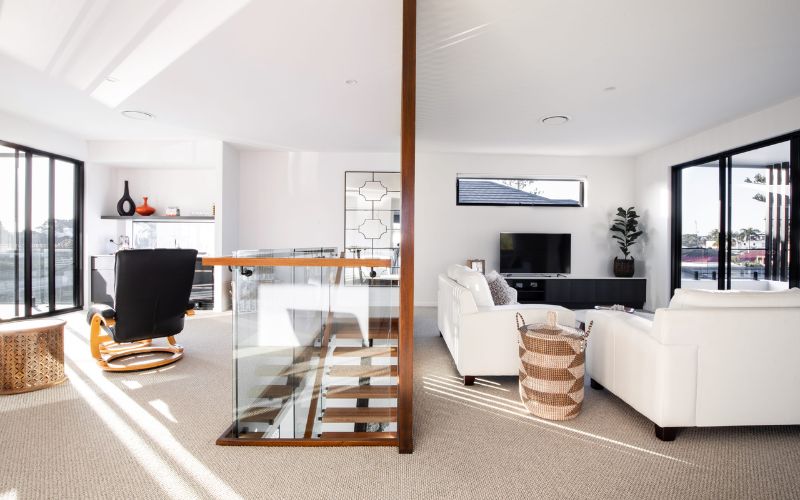
Contemporary screen enclosure companies emphasize seamless integration with a home's style. Design choices include matched rooflines, compatible colors and finishes, and low-profile framing that preserves sightlines. Landscape architects and builders often collaborate to align enclosures with hardscapes and plantings.
Comfort and usability enhancements
Beyond insect protection, modern enclosures address thermal comfort and light control. Options include solar-control mesh, insulated panels, and paired shading solutions. Electrification for ceiling fans, lighting, and outdoor kitchens is commonly incorporated during planning to support all-season use.
Customization and multi-function spaces
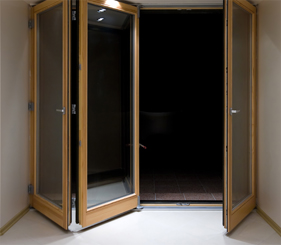
Companies increasingly offer modular and multi-functional solutions: convertible screens, sliding glass systems, and hybrid enclosures that allow spaces to transition between open-air and enclosed conditions. These options support entertainment areas, outdoor dining rooms, and poolside lounges.
Materials, durability, and environmental considerations
Material selection affects longevity and maintenance. Aluminum framing resists rust and is recyclable, while stainless fasteners and impact-resistant meshes withstand coastal environments. Some manufacturers offer recycled-content components and low-VOC finishes. Proper material choice contributes to longer service life and lower lifecycle environmental impact.
Permits, building codes, and safety standards
Screen enclosure companies typically handle permitting and compliance with local building codes. Codes and inspection requirements vary by jurisdiction and may reference standards from the International Code Council (ICC) and local amendments. Structural considerations—such as wind load, connection details, and egress—are assessed to meet safety and code requirements.
For guidance on construction practices and industry standards, homeowners can consult resources from organizations such as the National Association of Home Builders for best practices and industry information: National Association of Home Builders.
Installation process and typical timeline
Project timelines depend on scope, from a few days for a simple screen retrofit to several weeks for a custom enclosed room with electrical work and glazing. A typical process includes site assessment, design selection, permit acquisition, foundation or footings preparation (if required), framing, mesh or glazing installation, and finishing touches. Reputable companies provide written proposals, material specifications, and projected schedules.
Maintenance and warranties
Maintenance needs vary by materials and climate. Routine tasks include clearing debris from frames and screens, inspecting fasteners and seals, and cleaning mesh with mild soap and water. Some companies provide maintenance plans and warranties covering workmanship and materials; warranties and service terms should be reviewed before contracting.
How to evaluate and choose a company
Credentials and references
Look for licensed contractors where required, proof of insurance, and local references. Professional affiliations and trade certifications can indicate experience and adherence to industry standards. Ask for examples of completed projects similar in scope and environment.
Written estimates and scope clarity
Obtain multiple written estimates that itemize labor, materials, permit fees, and expected timelines. Clear scopes reduce the risk of change orders and help compare proposals on an apples-to-apples basis.
Communication and aftercare
Assess responsiveness and willingness to explain options and trade-offs. Clarify warranty coverage, maintenance expectations, and post-installation support for repairs or adjustments.
Economic and sustainability considerations
Screen enclosures can extend living space without the full cost and regulatory complexity of an addition, and they may increase utility use if conditioned. Decisions about glazing, ventilation, and shading influence energy performance. Incorporating durable, recyclable materials and designs that promote natural ventilation can improve sustainability and lower long-term maintenance costs.
Frequently asked questions
What services do screen enclosure companies offer?
Services typically include site evaluation, custom design, permitting assistance, fabrication and installation of frames and mesh or glazing, electrical and lighting integration, and maintenance or repair. Some companies provide modular or phased installation to match budgets and timelines.
How long does a typical screen enclosure installation take?
Smaller retrofit projects may be completed in several days; full custom enclosures with foundations, electrical work, or glazing can take several weeks. Permit review periods can add time before physical work begins.
Are screen enclosures suitable for all climates?
Screened systems can be adapted for many climates using appropriate materials and design strategies. Coastal areas benefit from corrosion-resistant components, while colder climates may incorporate insulating panels or retractable glazing to extend seasonal use.
What maintenance is required after installation?
Routine maintenance includes cleaning mesh and frames, inspecting seals and fasteners, and addressing any damage promptly. Maintenance frequency depends on local weather, vegetation, and usage patterns.
Can a screen enclosure add value to a home?
Enclosures that improve usable living area, enhance aesthetics, and are well-built to code can positively affect marketability. Local real estate conditions and how the space is presented to buyers influence the degree of added value.