Mohs Micrographic Surgery: Procedure & Benefits
-

- Published Updated
- 6,437 views
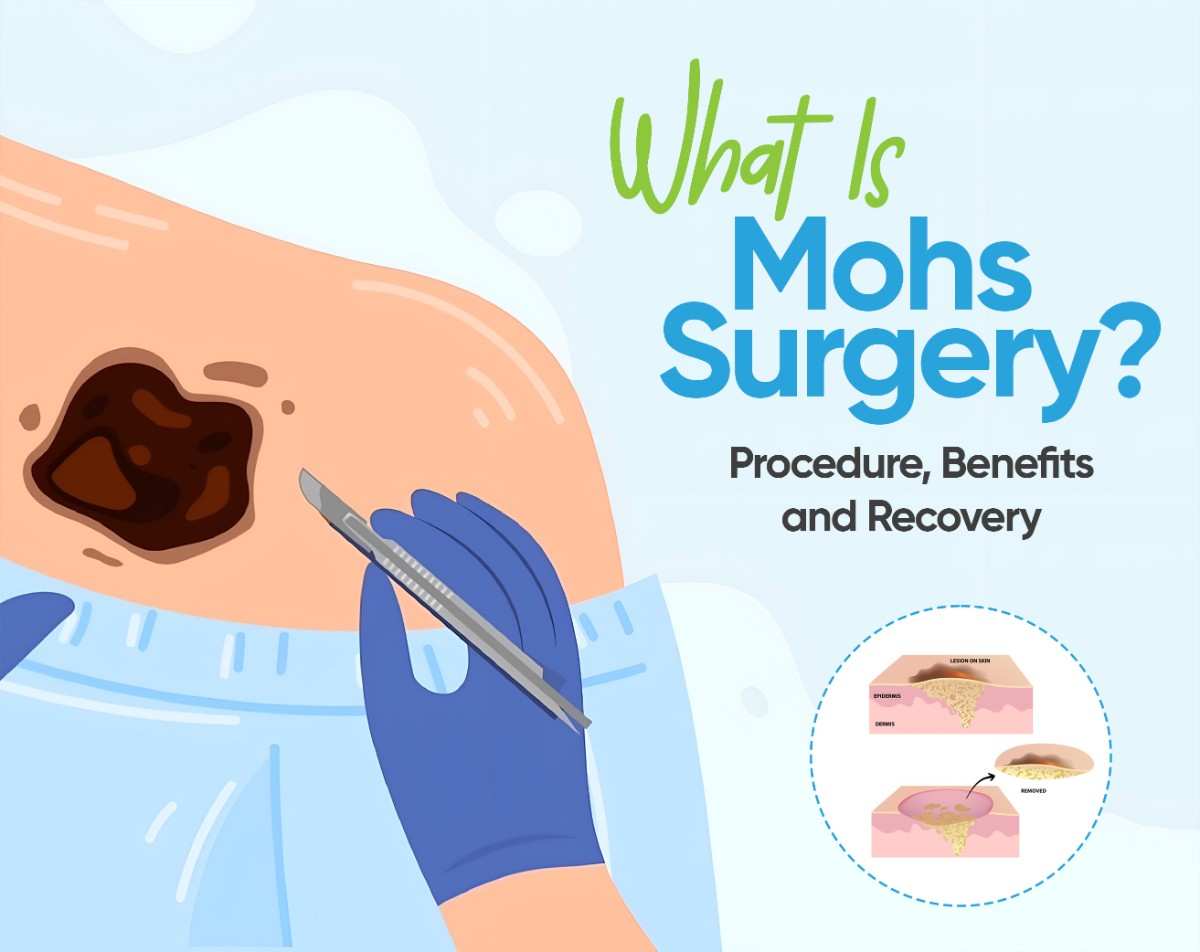
Receiving a skin cancer diagnosis can be an unsettling experience, but modern dermatological oncology offers highly advanced, incredibly precise solutions. When treating high-risk non-melanoma skin cancers on delicate or highly visible areas, standard surgical excision can sometimes feel like a blunt instrument.
Fortunately, Mohs micrographic surgery has established itself globally as the absolute gold standard for tumor clearance. By combining precise surgical removal with real-time microscopic mapping, this specialized technique achieves unparalleled cure rates while protecting your natural appearance.
What is Mohs Micrographic Surgery?
Mohs surgery is a highly specialized, state-of-the-art surgical technique used to treat common skin cancers, primarily basal cell carcinoma (BCC) and squamous cell carcinoma (SCC). Named after its pioneer, Dr. Frederic Mohs, the procedure involves removing thin layers of skin tissue progressively and examining them under a microscope in an on-site laboratory until only cancer-free tissue remains.
Unlike standard surgical excision where a wide boundary of healthy skin is cut out along with the visible tumor and sent off to an external pathology lab a Mohs surgeon examines 100% of the surgical margins in real-time while the patient waits. This ensures the cancer's "roots" are entirely removed before any stitches are placed.
The Mohs Surgery Procedure
Mohs micrographic surgery is performed as a same-day, outpatient procedure under local anesthesia. Because it is highly methodical, the surgery progresses through distinct, controlled stages:
1. Preparation and Local Numbing
The medical team sterilizes the treatment site and maps out the visible edges of the tumor with a surgical marker. A local anesthetic is then injected into the skin, completely numbing the area so you remain awake but entirely comfortable and pain-free throughout the day.
2. Precise Layer Removal (Stage One)
Once the skin is numb, the surgeon uses a scalpel to gently shave away the visible part of the tumor along with a very narrow, micro-margin of surrounding skin. A temporary bandage is placed over the wound, and the patient steps back out to a comfortable waiting room.
3. Laboratory Sectioning and Mapping
The excised tissue layer is brought directly into the clinic's dedicated, on-site laboratory. The tissue is divided into specific sections, color-coded with distinct surgical dyes, and plotted onto a highly detailed, hand-drawn map that matches the orientation of the wound on the patient's body.
4. Microscopic Evaluation
A specialized histotechnologist freezes the dyed tissue sections and cuts them into microscopically thin slices, which are mounted onto glass slides and stained. The Mohs surgeon carefully examines these slides under a microscope. If any cancer cells are visible along the outer edges or deeper borders of the map, the exact location of the remaining tumor roots is documented.
5. Targeted Clearing (Subsequent Stages)
If the margins are not clear, the patient returns to the procedure room. Using the customized tissue map as an exact guide, the surgeon removes a second thin layer of skin only in the precise location where the cancer roots were found. This completely spares the healthy tissue in all other directions. The process is repeated until a layer is confirmed to be 100% free of cancer.
6. Reconstruction and Wound Closure
Once the surgeon confirms that the margins are clean, the focus shifts to aesthetics. Depending on the size, depth, and location of the resulting wound, the surgeon will discuss the best closure option:
- Primary Closure: Stitching the wound together in a neat, straight line.
- Flap Surgery: Shifting nearby skin to cover the defect, which is excellent for facial contours.
- Skin Grafting: Utilizing a small piece of skin from a donor site (like behind the ear) to cover the area.
- Natural Healing (Granulation): Allowing the wound to close naturally if it is in a location where a scar will easily blend in.
Major Clinical Benefits of Mohs Surgery
Opting for Mohs micrographic surgery over conventional treatment methods offers several distinct advantages for your health and recovery:
- Unparalleled Success Rates: For primary (newly diagnosed) basal cell carcinomas, Mohs surgery delivers a cure rate of up to 99%. For recurrent skin cancers that have returned after standard treatments, it maintains an industry-leading 95% success rate.
- Maximum Conservation of Healthy Tissue: Because margins are shaved away in millimeters rather than wide centimeters, the surgical footprint is kept as tiny as humanly possible. This makes it the ideal choice for highly visible or functionally vital areas such as the nose, eyelids, ears, lips, and hands.
- Same-Day Diagnostic Peace of Mind: There is no torturous week-long wait for external pathology results. You leave the clinic knowing with absolute clinical certainty that your skin cancer is entirely gone.
Pros and Cons of the Mohs Technique
Feature / Aspect |
Pros |
Cons / Challenges |
Oncological Cure |
Highest statistical cure rate available; dramatically minimizes the risk of local recurrence. |
Can be a lengthy, unpredictable day; patients must wait between lab processing stages. |
Cosmetic Preservation |
Leaves the smallest possible surgical scar by sparing healthy tissue. |
Like all surgeries, it will leave a permanent scar that requires time to fade and heal. |
Patient Safety |
Avoids the systemic risks of general anesthesia by using simple local numbing agents. |
Requires access to highly trained, accredited Mohs specialists and specialized clinics. |
Frequently Asked Questions
Does Mohs surgery hurt?
The only discomfort you will typically feel is the initial prick of the local anesthetic needle. Once the numbing agent takes effect, the entire surgical process is completely painless. If the numbing starts to wear off during long lab intervals, the surgeon will easily supplement the area before moving to the next stage.
How long does the entire appointment take?
While actually removing a layer of tissue takes only 15 minutes, preparing and reading the slides in the laboratory takes roughly an hour per stage. Because it is impossible to predict how many layers your specific tumor's roots require, you should plan to spend anywhere from 2 to 5 hours at the clinic. Bringing a book, laptop, or tablet is highly recommended.
How do I take care of the wound afterward?
Your clinical team will provide meticulous post-operative instructions. Generally, you will keep the original pressure dressing completely dry for the first 24 to 48 hours. Afterward, you will gently clean the site daily with mild soap and water, apply plain petroleum jelly or a prescribed ointment to keep it moist, and cover it with a fresh bandage until the stitches are ready to be removed.
What is the difference between standard excision and Mohs surgery?
Standard excision involves cutting out the visible tumor along with a pre-determined, wide margin of healthy skin, stitching the wound immediately, and sending it to a lab. Results take several days, and if the margins come back "positive" (showing remaining cancer), you must return for a second surgery. Mohs surgery eliminates this guesswork by mapping and checking 100% of the margins under a microscope before you are stitched up.
Conclusion
When dealing with a skin cancer diagnosis, choosing a path that prioritizes both complete tumor eradication and cosmetic preservation is vital. Mohs micrographic surgery provides the perfect clinical intersection of oncology and artistry, ensuring a definitive cure while minimizing damage to the surrounding features that make you look like you.
Related Articles