Mounjaro Injection in Dubai: Preparing for Surgery
-

- September 18th, 2026
- 34 views
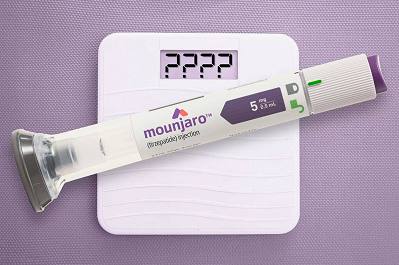
Elective surgery requires planning, and patients on prescription weight management have additional considerations before an operation. Those using the Elective surgery requires planning, and patients on prescription weight management have additional considerations before an operation. Those using the Mounjaro injection in Dubai often are unsure whether treatment should continue, pause, or stop entirely in the weeks surrounding a procedure. This article explains the concerns anaesthetists and surgeons raise, why timing matters, and how to coordinate care between your treating clinicians. It is general information only and does not replace advice from your surgical team.
Why Surgery Changes the Treatment Plan
Surgery places specific demands on the body: fasting before anaesthesia, altered digestion afterwards, and a period of reduced mobility and appetite.
This medication slows stomach emptying and reduces appetite, both of which can complicate the perioperative period if not managed carefully.
Concerns that arise around surgery:
Risk of residual stomach contents during anaesthesia
Nausea and vomiting interfering with recovery
Difficulty meeting nutritional needs postoperatively
Dehydration risk when oral intake is limited
Interactions with postoperative medications
In our clinical experience, patients who inform their surgical team about their treatment well in advance encounter far fewer complications than those who mention it on the day.
Mounjaro Injection in Dubai: Why Timing of Discontinuation Matters
Guidance on when to pause treatment before surgery has evolved, and practice varies between institutions and anaesthetists.
General principles that apply:
Inform your surgical team that you are using this medication
Follow the specific instruction given by your anaesthetist
Do not decide unilaterally to continue or stop treatment
Allow time for the medication's effects to diminish if advised
Confirm the plan in writing where possible
Exact timing depends on your dose, the type of surgery, and institutional protocols. Only your surgical team can give instructions for your situation.
Mounjaro Injection in Dubai: Preoperative Assessment and Disclosure
Anaesthetists assess more than the surgical site. Medication history forms part of that evaluation, and omissions create avoidable risk.
Details worth disclosing:
The medication name and current dose
How long you have been using it
Date of your last injection
Any gastrointestinal side effects you experience
Other medications, including diabetes treatments
Previous anaesthetic experiences
Patients sometimes omit weight management medication because they feel it is not relevant. It is relevant, and disclosure protects you.
Fasting Instructions and Stomach Emptying
Preoperative fasting rules exist to reduce the risk of aspiration during anaesthesia. Slower stomach emptying may interact with these instructions.
Points your surgical team may address:
Standard fasting times may be adjusted
Clear fluids may be permitted closer to surgery
Symptoms such as nausea should be reported
Any vomiting before surgery must be disclosed
The anaesthetist decides what is safe in your case
Do not modify fasting instructions on your own, even if you believe your stomach is empty.
Mounjaro Injection in Dubai: Postoperative Considerations
Recovery introduces its own challenges, particularly where appetite and digestion are affected.
Postoperative areas to monitor:
Adequate hydration once fluids are permitted
Gradual reintroduction of food as advised
Protein intake to support healing
Management of nausea if it occurs
Any abdominal pain that differs from expected surgical discomfort
Patients should raise concerns with their surgical team rather than attributing everything to the procedure itself.
Resuming Treatment After Surgery
Restarting treatment is a clinical decision, not an automatic step once you feel better.
Factors that influence resumption:
Type and complexity of the surgery
Speed of recovery and return to normal eating
Any postoperative complications
Guidance from your surgical team
Review by the clinician managing your weight treatment
In most cases, resumption is discussed at a follow-up appointment rather than decided in advance.
Coordinating Between Clinicians
Surgery and weight management involve separate clinical teams. Communication between them reduces the risk of conflicting instructions.
Tajmeels Clinic in Dubai encourages patients to inform their treating clinician about planned procedures, so guidance is coordinated rather than issued in isolation.
Practical coordination steps:
Notify both teams as soon as surgery is scheduled
Share contact details between providers
Confirm who makes the decision on pausing treatment
Provide written confirmation to the surgical team
Review the plan again after discharge
Conclusion
Surgery and prescription weight management require coordination rather than separate management. Disclosing your treatment, following your anaesthetist's instructions on timing, and monitoring recovery carefully all reduce risk. Patients who raise the issue early tend to navigate the perioperative period more smoothly than those who mention it at the last moment. If you have a procedure planned, inform both your surgical team and your weight management clinician as soon as the date is set.
often are unsure whether treatment should continue, pause, or stop entirely in the weeks surrounding a procedure. This article explains the concerns anaesthetists and surgeons raise, why timing matters, and how to coordinate care between your treating clinicians. It is general information only and does not replace advice from your surgical team.
Why Surgery Changes the Treatment Plan
Surgery places specific demands on the body: fasting before anaesthesia, altered digestion afterwards, and a period of reduced mobility and appetite.
This medication slows stomach emptying and reduces appetite, both of which can complicate the perioperative period if not managed carefully.
Concerns that arise around surgery:
Risk of residual stomach contents during anaesthesia
Nausea and vomiting interfering with recovery
Difficulty meeting nutritional needs postoperatively
Dehydration risk when oral intake is limited
Interactions with postoperative medications
In our clinical experience, patients who inform their surgical team about their treatment well in advance encounter far fewer complications than those who mention it on the day.
Mounjaro Injection in Dubai: Why Timing of Discontinuation Matters
Guidance on when to pause treatment before surgery has evolved, and practice varies between institutions and anaesthetists.
General principles that apply:
Inform your surgical team that you are using this medication
Follow the specific instruction given by your anaesthetist
Do not decide unilaterally to continue or stop treatment
Allow time for the medication's effects to diminish if advised
Confirm the plan in writing where possible
Exact timing depends on your dose, the type of surgery, and institutional protocols. Only your surgical team can give instructions for your situation.
Mounjaro Injection in Dubai: Preoperative Assessment and Disclosure
Anaesthetists assess more than the surgical site. Medication history forms part of that evaluation, and omissions create avoidable risk.
Details worth disclosing:
The medication name and current dose
How long you have been using it
Date of your last injection
Any gastrointestinal side effects you experience
Other medications, including diabetes treatments
Previous anaesthetic experiences
Patients sometimes omit weight management medication because they feel it is not relevant. It is relevant, and disclosure protects you.
Fasting Instructions and Stomach Emptying
Preoperative fasting rules exist to reduce the risk of aspiration during anaesthesia. Slower stomach emptying may interact with these instructions.
Points your surgical team may address:
Standard fasting times may be adjusted
Clear fluids may be permitted closer to surgery
Symptoms such as nausea should be reported
Any vomiting before surgery must be disclosed
The anaesthetist decides what is safe in your case
Do not modify fasting instructions on your own, even if you believe your stomach is empty.
Mounjaro Injection in Dubai: Postoperative Considerations
Recovery introduces its own challenges, particularly where appetite and digestion are affected.
Postoperative areas to monitor:
Adequate hydration once fluids are permitted
Gradual reintroduction of food as advised
Protein intake to support healing
Management of nausea if it occurs
Any abdominal pain that differs from expected surgical discomfort
Patients should raise concerns with their surgical team rather than attributing everything to the procedure itself.
Resuming Treatment After Surgery
Restarting treatment is a clinical decision, not an automatic step once you feel better.
Factors that influence resumption:
Type and complexity of the surgery
Speed of recovery and return to normal eating
Any postoperative complications
Guidance from your surgical team
Review by the clinician managing your weight treatment
In most cases, resumption is discussed at a follow-up appointment rather than decided in advance.
Coordinating Between Clinicians
Surgery and weight management involve separate clinical teams. Communication between them reduces the risk of conflicting instructions.
Tajmeels Clinic in Dubai encourages patients to inform their treating clinician about planned procedures, so guidance is coordinated rather than issued in isolation.
Practical coordination steps:
Notify both teams as soon as surgery is scheduled
Share contact details between providers
Confirm who makes the decision on pausing treatment
Provide written confirmation to the surgical team
Review the plan again after discharge
Conclusion
Surgery and prescription weight management require coordination rather than separate management. Disclosing your treatment, following your anaesthetist's instructions on timing, and monitoring recovery carefully all reduce risk. Patients who raise the issue early tend to navigate the perioperative period more smoothly than those who mention it at the last moment. If you have a procedure planned, inform both your surgical team and your weight management clinician as soon as the date is set.
Ready for a Change? Book Your Consultation Today
WhatsApp: +971 56 203 8751
Phone: +971 4 373 9000