How Does Root Canal Treatment near Prayagraj Save a Natural Tooth?
-
- Published Updated
- 2,060 views
A damaged or infected tooth does not always need to be removed. In many cases, Root Canal Treatment can help preserve the natural tooth by removing infection from inside the tooth and protecting it from further damage. A root canal focuses on treating the affected pulp while maintaining the structure and function of the natural tooth.
What Is Root Canal Treatment?
Inside every tooth is a soft tissue called dental pulp, which contains nerves and blood vessels. Deep decay, cracks, repeated dental procedures, or an injury can allow bacteria to reach this area and cause inflammation or infection.
During root canal treatment, the infected or damaged pulp is carefully removed. The inner portion of the tooth is cleaned, shaped, and disinfected before being sealed. A restoration such as a dental crown may then be recommended to strengthen and protect the treated tooth.
Why Is Saving the Natural Tooth Important?
Natural teeth are designed to work together for comfortable chewing and proper bite function. When a tooth can be successfully treated, keeping it in place can help maintain the natural alignment of surrounding teeth.
Tooth removal may sometimes be necessary when a tooth cannot be restored. However, when the tooth structure is suitable for treatment, root canal therapy provides an option for addressing infection while preserving the natural tooth.
When Might You Need a Root Canal?
Several symptoms may indicate that a tooth needs professional evaluation. These can include:
- Persistent toothache
- Sensitivity to hot or cold
- Pain while chewing or biting
- Swelling around the tooth or gums
- Tenderness near the affected tooth
- A damaged or cracked tooth
- Deep dental decay
- Darkening or discoloration of a tooth
Not every toothache requires a root canal. A dental examination and appropriate diagnostic tests are needed to determine the cause of the problem and whether root canal treatment is suitable.
How Does the Treatment Help?
The primary purpose of root canal treatment is to remove infected or inflamed tissue from inside the tooth. Once the affected pulp has been removed, the root canals can be cleaned and sealed.
This process addresses the source of infection rather than simply managing the symptoms. After treatment and proper restoration, the tooth can continue to function as part of the natural bite.
For people looking for Root Canal Treatment near Prayagraj, understanding the treatment process can make it easier to recognize why timely dental evaluation matters.
What Happens During Root Canal Treatment?
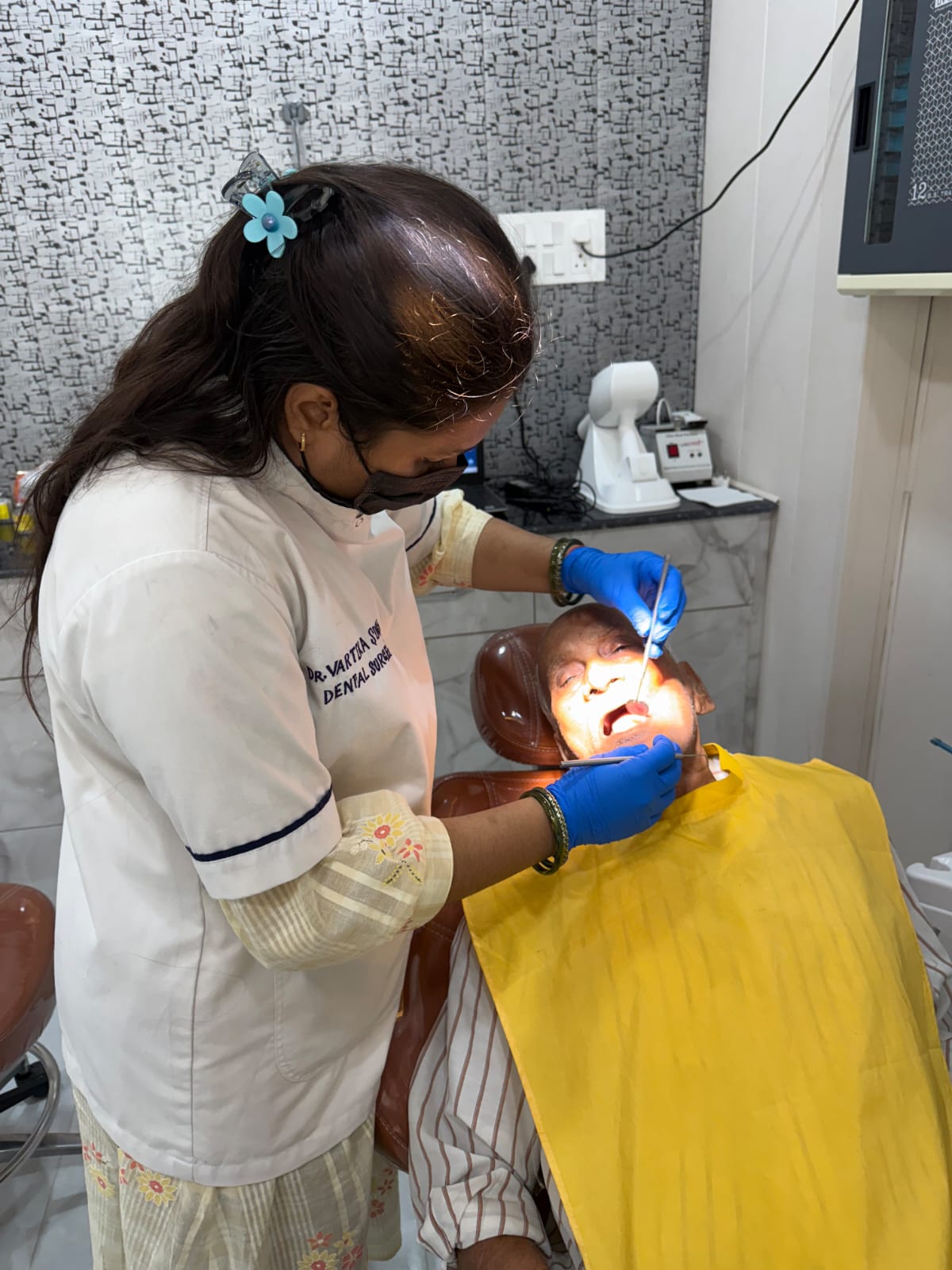
The treatment generally involves several important steps. First, the dentist examines the tooth and assesses the extent of the problem. Local anesthesia is used to keep the procedure comfortable.
An opening is then created in the tooth to access the infected pulp. The damaged tissue is removed, and the root canals are cleaned and shaped. The canals are subsequently filled and sealed to help prevent further bacterial contamination.
Depending on the condition of the tooth, a permanent restoration may be placed afterward. A crown is often considered when additional strength and protection are needed.
Choosing a Dental Clinic in Prayagraj
Choosing an appropriate Dental Clinic in Prayagraj involves considering factors such as the dentist's qualifications, diagnostic facilities, treatment approach, sterilization practices, and the clinic's ability to provide appropriate follow-up care.
Patients may also look for a Best Dentist in Prayagraj based on relevant qualifications, experience, communication, and the suitability of the recommended treatment for their particular dental condition.
At Prime Dental Care –Dentist in Prayagraj, root canal treatment is approached with attention to diagnosis, cleaning, sealing, and restoration of the affected tooth.
Why Timely Dental Care Matters
Ignoring persistent dental pain can allow an underlying problem to progress. An infection that begins inside one tooth may affect the surrounding tissues if it remains untreated.
Seeking a dental evaluation when symptoms appear can help identify the cause and determine the appropriate treatment. Early assessment may also provide more options for preserving the affected tooth.
A Best Dental Clinic in Prayagraj should focus not only on treating immediate discomfort but also on maintaining the function and health of the patient's teeth through appropriate diagnosis and follow-up.
Maintaining a Tooth After Root Canal Treatment
Root canal treatment addresses the infected pulp, but the treated tooth still requires proper care. Brushing twice daily, cleaning between teeth, attending regular dental check-ups, and following the dentist's restoration recommendations are important for maintaining oral health.
If a crown or another restoration has been recommended, completing that treatment can help protect the remaining tooth structure from damage.
Prime Dental Care –Dentist in Prayagraj emphasizes the importance of proper dental evaluation and continued oral hygiene after treatment to support the long-term function of a restored tooth.
Conclusion
Root Canal Treatment near Prayagraj can provide a way to treat an infected or damaged tooth while preserving the natural tooth structure. By removing the affected pulp, cleaning the root canals, sealing the tooth, and providing appropriate restoration, the treatment can help the tooth continue functioning naturally.
Persistent pain, sensitivity, swelling, or discomfort should not be ignored. A professional dental examination can determine whether root canal treatment or another option is appropriate.
Prime Dental Care –Dentist in Prayagraj provides dental care focused on diagnosis, treatment, and maintaining natural teeth whenever clinically possible.
FAQs
1. Is root canal treatment painful?
Modern root canal treatment is generally performed under local anesthesia. Patients may experience some tenderness after the procedure, which usually improves with appropriate care.
2. How long does a root canal take?
Treatment time varies depending on the tooth, the extent of infection, and the complexity of the root canals. Some cases may require more than one appointment.
3. Can a natural tooth be saved with a root canal?
Yes. When the tooth has sufficient healthy structure and is suitable for restoration, root canal treatment can help preserve the natural tooth.
4. Is a crown necessary after a root canal?
A crown may be recommended depending on the tooth's location, remaining structure, and risk of fracture. Your dentist can determine the appropriate restoration after examination.
5. What are the signs that I may need a root canal?
Persistent tooth pain, sensitivity, pain while chewing, swelling, tenderness, deep decay, or discoloration can be signs of a dental problem requiring evaluation. These symptoms do not automatically mean a root canal is needed.
6. How should I care for a tooth after root canal treatment?
Continue brushing and flossing regularly, follow your dentist's instructions, avoid placing excessive pressure on a temporarily restored tooth, and complete any recommended permanent restoration or follow-up appointments.