Do You Need to Move Out During a Renovation? A Room-by-Room Guide
-

- Published Updated
- 2,057 views

One of the first questions homeowners ask before signing off on a project is simple but loaded: will I need to move out? The honest answer is "it depends" and the factors that decide it are the scope of work, whether load-bearing structures are involved, how many trades are on site at once, and how long the project will realistically take.
This guide breaks the question down room by room so you can plan ahead, whether you're weeks away from demolition or still gathering quotes from home renovation contractors in the GTA.
Why This Question Matters More Than It Seems
Deciding whether to stay or relocate isn't just about comfort. It affects your budget (temporary housing adds up fast), your timeline (some trades work faster in an empty space), and your day-to-day logistics - especially if you have kids, pets, or a home office. Getting a clear answer early, before contracts are signed, helps you plan finances and avoid surprises once the crew arrives.
A good contractor will walk you through this during the estimate stage rather than leaving you to figure it out once walls are already open.
Kitchen Renovations: Usually Manageable, Rarely Requires Moving Out
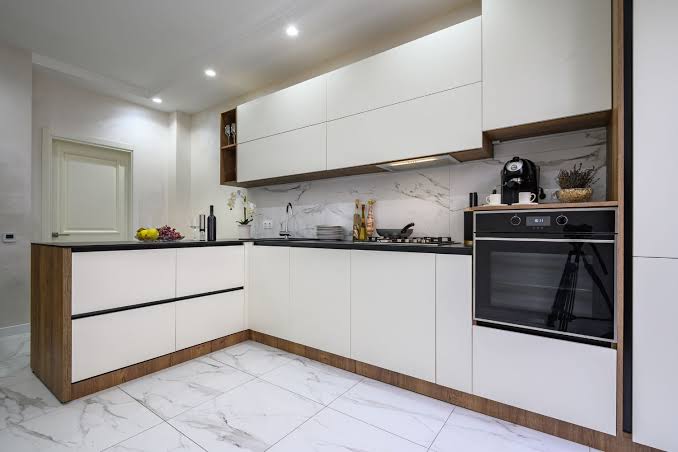
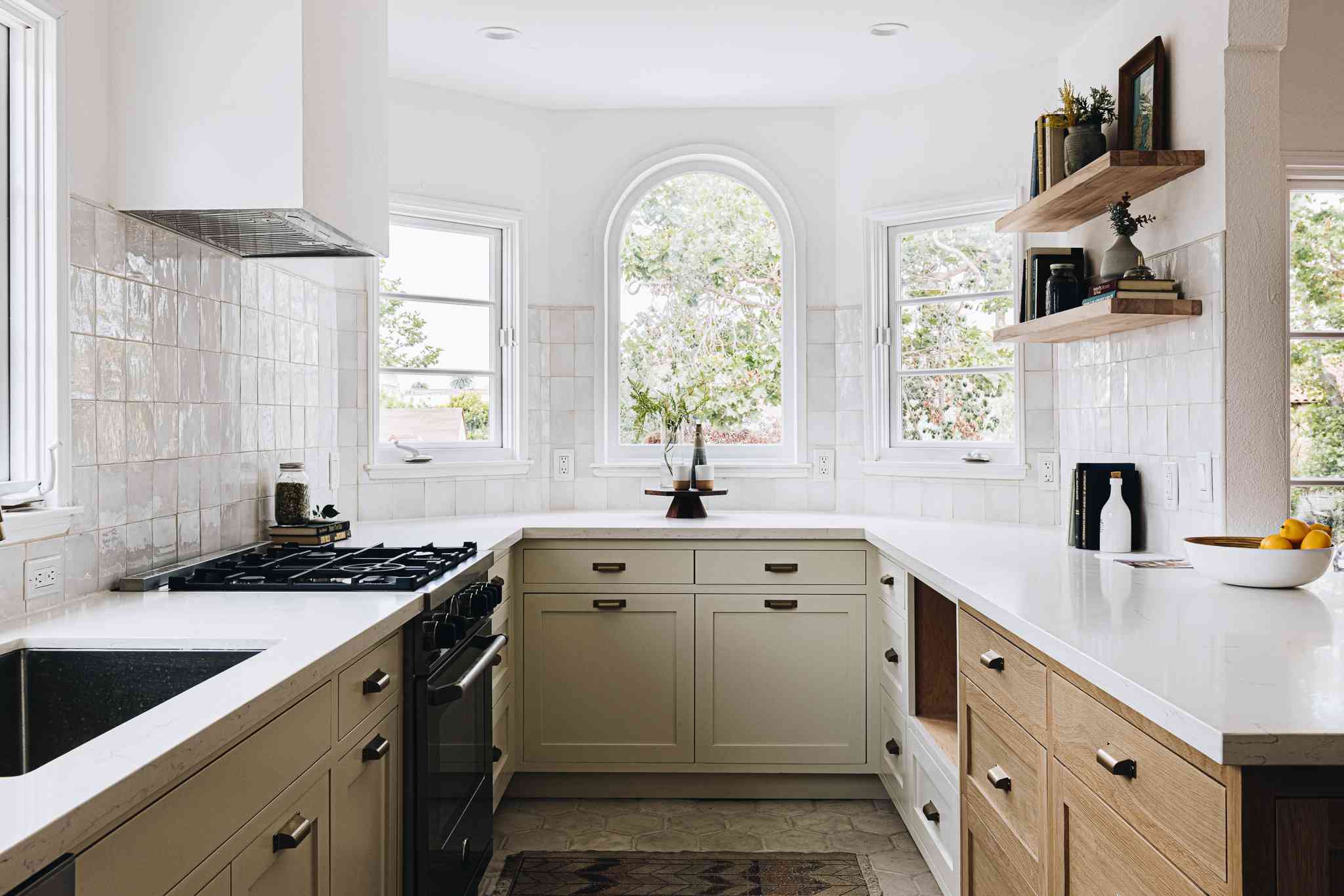
For most kitchen renovations, homeowners can stay in the home, though daily life gets disrupted. Expect to lose access to your stove, sink, and counters for at least part of the project — sometimes for several weeks if cabinetry, plumbing, and electrical are all being reworked.
What to expect:
- A temporary kitchen setup (microwave, kettle, mini-fridge) in another room
- Limited water access during plumbing rough-in days
- Dust control measures, especially if walls are opened up
When you might need to leave temporarily: If the renovation involves moving gas lines, major electrical panel work, or structural changes to open up the kitchen to an adjacent room, there may be a few days where it's safer or more practical to stay elsewhere.
Bathroom Renovations: Depends on How Many Bathrooms You Have
A single bathroom renovation in a home with only one bathroom is one of the few situations where moving out — even briefly — is often the more practical choice. Without running water or a working toilet for days at a time, staying can be more of a hassle than it's worth.
What to expect:
- Full loss of that bathroom for the renovation duration (often 2–4 weeks depending on scope)
- Water shut-off periods during plumbing work
- If it's your only bathroom, plan for alternate arrangements during the roughest days
Multiple bathrooms in the home? Staying is usually straightforward, since you'll have access to another washroom throughout the project.
Basement Renovations: Minimal Disruption to Daily Living
Because basements are typically separate from main living areas, basement renovations rarely require homeowners to leave the home. The exception is if the project involves structural underpinning, major waterproofing work, or new mechanical systems that affect utilities serving the rest of the house.
What to expect:
- Noise and dust, particularly during framing and drywall stages
- Temporary access restrictions to the basement itself
- Possible brief utility interruptions if HVAC or plumbing systems are being rerouted
For homeowners exploring basement renovations gta-wide, this tends to be one of the least disruptive renovation types to live through.
Home Additions and Garden Suites: Depends on Where the Work Connects
Additions and garden suites are usually built as separate structures or extensions, so the existing home often stays fully livable throughout most of construction. The disruption usually comes near the end, when the new space is connected to the existing structure — this can mean temporary loss of heating, electrical, or an exterior wall opening.
What to expect:
- Normal living conditions for most of the build, since work happens outside the existing footprint
- A short window of disruption when tie-ins to plumbing, electrical, or HVAC occur
- Increased noise and site traffic from equipment and deliveries
Full Home Renovations and Remodels: Most Likely to Require Relocation
This is where moving out becomes the more common recommendation. When a renovation touches multiple rooms simultaneously — kitchen, bathrooms, flooring, and structural changes all at once — living on-site usually means limited access to water, power, and usable rooms for extended stretches.
What to expect:
- Multiple trades working concurrently across the home
- Extended periods without full utility access
- Higher dust, noise, and safety considerations, particularly with demolition and structural work
Many homeowners choose to relocate for the most intensive phase of a full home renovation and return once major systems and finishes are back in place. This is also true for larger remodeling projects that involve reconfiguring floor plans or removing load-bearing walls.
Custom Home Builds: Not Applicable — You're Building From the Ground Up
If you're constructing a new custom home rather than renovating an existing one, this question doesn't apply in the same way, since you'll be living elsewhere throughout construction regardless.
How to Decide: Questions to Ask Before the Project Starts
Before committing to a timeline, ask your contractor:
- Will water, heat, or electricity be interrupted, and for how long?
- Which phases involve the most noise, dust, or safety risk?
- Is there a point in the project where staying becomes impractical rather than just inconvenient?
- Can the work be phased to reduce disruption if I choose to stay?
Reputable home renovation contractors will walk through this with you during the planning stage, factoring your specific layout, household needs, and project scope into a realistic recommendation - not a generic answer.
Final Thoughts
Whether you need to move out comes down to scope, not size. A full kitchen overhaul might keep you comfortably at home, while a single bathroom renovation in a one-bathroom house might push you out for a few days. The safest approach is to have this conversation early, during your consultation and site review, so there are no surprises once demolition begins.
If you're planning a renovation across the GTA and want a clear, upfront answer on what to expect for your specific project, Onyx Construction walks every client through logistics like this before work begins - so you can plan your living situation with confidence, not guesswork.