Mulching Films: Essential Protection for Crops during Hot Weather!
-

- June 25th, 2026
- 3,181 views

FREE SEO Topical Map Generator: Find Your Next Content Ideas
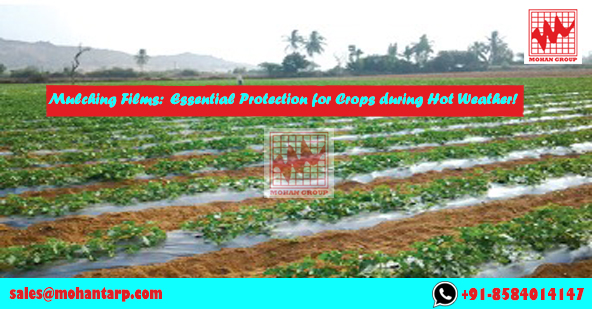
The farmer may face a number of significant difficulties during the hot weather period, such as water loss, weed growth, soil heating of the soil, and low crop yields. One of the most effective approaches to address these issues is the application of mulching film.
Plastic Mulch film is a very important equipment of Modern agriculture. This film is the term for thin plastic films placed on top of the soil covering the crop plants. These films are polyethylene-based, and the colors and thicknesses depend on the crop variety and climatic conditions.
The purpose of plastic mulching sheet is to serve as barriers between the soil and the atmosphere so that the farmers get the best possible growth environment despite the hot sun.
Different Benefits of Plastic Mulch Films –
Weed Control
Plastic mulch deprives weeds from reaching the sunlight, thereby taking away from the weed one means of getting its seeds into the soil. It, therefore, saves herbicides. It is hence an environmental-friendly process for the farmer, while at the same time cost-effective.
Temperature Regulation
Mulching films warm the soil when it is cool and cool the soil when it is hot. Therefore, agriculture mulch films help to regulate the temperatures of soils so that crops grow under optimized conditions of heat-sensitive crops among others.
Moisture Retention
The agriculture mulch films prevent evaporation and keep the root zone moist for a much longer period. It is thus effective in dry climates and during periods of limited rainfall.
Disease Prevention
Plastic Mulch films avoids direct contact of the soil with the plant stems, thereby minimizing the chances of soil-borne diseases that could affect crops.
Improved Crop Yield
Agriculture mulching sheets helps to improve crop yields. It helps moisture retention, weed control; therefore, ideal temperature regulation ensures stronger and healthier plants capable of producing maximum yields.
Pest Control
Certain mulch films, for example, reflective plastic, repel certain pests, such as aphids and whiteflies, thus minimizing damage to crops without the use of chemical pesticides.
Soil Erosion Reduction
The plastic mulch films prevent soil erosion caused by strong winds or torrential rain, hence maintaining the soil’s structural integrity as well as its nutrient.
Plastic agriculture mulching sheet, applied wisely, would make crop quality even better, minimize input cost, and bring sustainable approaches to the modern agriculture.
Types of Mulching Films
· Black Mulching Film – Best for weed control
· Silver/Black Mulching Film – Reflects sunlight and repels insects
· Transparent Mulching Film – Helps increase soil temperature
· Biodegradable Mulching Film – Eco-friendly agricultural solution
Applications of Mulching Sheets
Mulching films are widely used in:
· Vegetable farming
· Fruit cultivation
· Flower nurseries
· Greenhouse farming
· Commercial agriculture
With increasing temperatures and dwindling water sources, the use of mulching film has become increasingly important in modern agriculture. This helps farmers save on water, protect plants from extreme heat in summer, and improve their productivity levels.
Types of Plastic Mulch
There are two "traditional" types of plastic mulching. Black plastic is perfect for control of weeds, warming the soil, and retaining moisture in the soil. Clear plastic mulch is perfect for warming the soil but also encouraging faster growth early on in the growing season. It's not as good at suppressing weed growth.
Other colors of plastic mulch have, over the last couple of years gained popularity.
White plastic has little appeal for most gardeners, who work in cooler and shorter seasons. We tend to be more concerned with warming soil than with cooling it. This can be the opposite case in tropical regions for gardeners in those regions who may be working to keep their soil cool about the roots of plants like peas, cabbage, and broccoli.
Brown plastic, also known as Brown Infrared Transmitting, is a new product. It warms the soil better than black plastic, and it's weed-controlling, too.
Red plastic is unique in that it is beneficial, but only to certain vegetables, including eggplants, basil, and tomatoes. Green mulch encourages fruits like cantaloupe to ripen earlier and in greater abundance. Blue mulch is used on summer squash, cucumbers, and cantaloupes.
The final one is silver mulch, which may not be frequently used but finds its primary purpose as an aphid repellent. It also improves yields of crops like peppers, squash, and cucumbers.
Benefits of Using Plastic Mulch in the Garden
1. Water Retention
All types of mulch retain water; however, plastic mulch will do so uniformly and without fluctuation. You may water less often and will keep your plants adequately hydrated.
One drawback of plastic mulch is that it might be very limiting in terms of retaining moisture, and thus may need a drip irrigation method to ensure that it holds the right amount of water.
2. The soil heats up faster
It warms the soil. Vegetables, in particular, can be rather temperature-sensitive. Mulch helps the soil warm at a rate of 5°F (or more). Because of this, you can grow crops earlier in the season (up to 3 weeks sooner!) than normal.
It also allows for uniform heating, so you won't experience dramatic fluctuations between plants in different parts of the garden. Since it warms the soil up, allowing it to hold onto heat during the onset of colder weather, your plants will likely be able to survive a little longer into the fall as well.
You can even apply plastic mulch around shrubs and trees to prevent winter damage!
3. Enhances Soil Texture
Plastic mulch can improve soil texture and structure significantly. As you mulch, it prevents the soil from clumping together and becoming compact. This also traps heat and moisture and prevents the leaching of nutrients from plants.
Plastic mulch can also give a clear message to people and animals that walking on it is not allowed. Therefore, it reduces compaction even further.
4. Repels Some Pests
Some pests, especially silver mulch, deter certain types of plastic mulch. This does not work across the board with all plants and types of plastic mulch, but it is definitely worth trying!
5. Protects Plant Roots
It protects plants' roots with plastic mulch. The task of working between the plants is eliminated, but it requires only walking between individual rows. Because the soil is undisturbed, your plant roots have easy ability to grow and spread. 6. Control Weeds
If you don't have time to weed the garden every single day (who does?) then using plastic mulch is the way to grow. It prevents weeds from obtaining the sun they need for photosynthesis so you won't have to resort to pulling them by hand.
7. It offers a barrier for leafy crops from contacting the soil
Actually, when you spread mulch down, you separate your plants from the soil, which is particularly important for the leafy green vegetables and those fruit-producing ones. It'll prevent rotting and disease-spreading.
Plus, they'll not get messy each time you water them, since they aren't in touch with the ground.
8. Gives a Cleaner Appearance
In the final place, plastic mulch has improved the general outlook of my garden. Probably, the elimination of weeds inside plants could contribute to the beauty of plastic mulch or perhaps it generally gives a clean impression from its look around plants.