How to Use a Multi-Function Electric Cooking Pot: Settings, Safety, and Recipes
-

- Published Updated
- 1,635 views
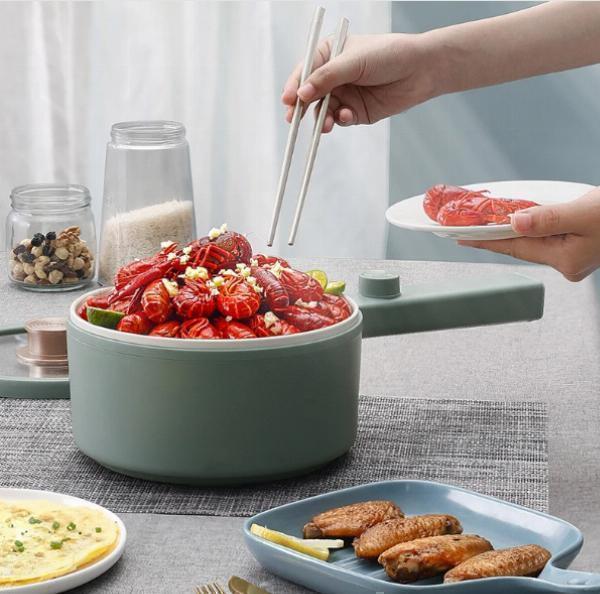
The Ultimate Guide to Cooking with a Multi-Function Electric Cooking Pot
A multi-function electric cooking pot can replace several standalone appliances by combining pressure cooking, slow cooking, steaming, sautéing and warming in a single unit. This guide covers basic operation, common cooking techniques, safety and cleaning, and practical tips to get consistent results whether preparing grains, soups, roasts or desserts.
- Understand the pot's modes: pressure, slow cook, steam, sauté and keep warm.
- Follow manufacturer instructions for sealing, pressure release and capacity limits.
- Use correct liquid amounts and cooking times for different foods; consult safe temperature charts for meats.
- Clean the lid, sealing ring and valve after use to maintain performance.
How to Use a Multi-Function Electric Cooking Pot
Getting started
Before first use, read the user manual and inspect parts: inner pot, lid, sealing ring, steam valve and any accessories. Place the unit on a stable, heat-resistant surface with adequate ventilation. Plug in and test a simple function like "keep warm" to confirm operation.
Basic operation flow
Standard steps include adding ingredients to the inner pot, selecting the appropriate cooking mode, setting time and pressure level (if applicable), and monitoring the steam-release valve. Allow natural pressure release or use quick-release according to the recipe and safety guidance.
Basic functions and controls
Common modes explained
- Sauté/Brown: Use to sear meats or soften aromatics before other cooking steps.
- Pressure Cook: Reduces cooking time for legumes, grains and tougher cuts of meat.
- Slow Cook: Low, gentle heat for stews and braises over several hours.
- Steam: Gentle cooking for vegetables or seafood using a steaming rack or basket.
- Rice/Grain Modes: Preset timings tuned for common grain types; adjust water ratios for preferred texture.
- Keep Warm: Maintains serving temperature without overcooking for a limited time.
Programming timers and presets
Presets simplify frequent tasks, but custom time and pressure settings allow fine control. When using pressure modes, ensure liquid minimums are met and never overfill above the recommended capacity for pressure cooking.
Cooking techniques and recipe ideas
Grains and legumes
Use pressure mode for beans and dried legumes to cut cooking time significantly. For rice and other grains, follow water-to-grain ratios from the manual and adjust for desired firmness. Rinse grains when recommended to remove excess starch.
Soups, stews and braises
Sauté aromatics first, then add liquids and proteins. Use a combination of high-pressure for rapid tenderizing or slow-cook for deeper flavors over time. Thickening can be finished on sauté after pressure release.
Steaming and delicate foods
Use a rack or basket and monitor the timer carefully for vegetables, fish or custards. Steam mode avoids turbulent boiling and preserves texture and nutrients.
Safety, maintenance, and cleaning
Food safety and temperatures
Follow safe cooking temperatures for meat, poultry and seafood to reduce foodborne illness risk. Official guidance on safe minimum internal temperatures and handling is available from U.S. federal food safety authorities for reference: USDA safe minimum internal temperatures.
Pressure and steam safety
Never force-open the lid while the pot is pressurized. Use tools or mitts to operate steam-release valves, and keep hands and face away from the steam path during quick release. Replace sealing rings if cracked or deformed and clean the steam valve to prevent blockages.
Cleaning and maintenance
Remove and wash the inner pot, lid, sealing ring and any racks after each use. Check the manufacturer's guidance for dishwasher compatibility. Periodically inspect electrical cords and vents; unplug before cleaning. Descale if hard-water deposits affect performance.
Choosing accessories and tips for longevity
Accessory suggestions
- Extra sealing rings (ring odor can transfer between sweet and savory recipes).
- Stainless-steel steam rack or trivet for multi-tier cooking.
- Measuring tools and a thermometer to verify internal temperatures.
Material and coating care
Nonstick inner pots require gentler utensils to avoid scratching. Stainless steel inserts are more durable for browning and oven finishing (if rated for oven use). Store the lid separately or inverted to avoid trapping odors.
Frequently Asked Questions
How long does a multi-function electric cooking pot take to cook rice?
Cooking times vary by model and rice type. White rice typically cooks under pressure in 4–10 minutes plus time to reach pressure and release; brown rice often takes 20–25 minutes under pressure. Allow time for pressure build-up and natural or quick release when planning.
Can a multi-function electric cooking pot replace a pressure cooker and slow cooker?
Yes, many multi-function units combine pressure-cooking and slow-cooking capabilities. Performance can match standalone devices for most home recipes, but differences in size, shape and heat distribution may affect some dishes.
How should the sealing ring be cleaned and stored?
Wash the sealing ring with warm, soapy water after each use and dry thoroughly. Store with the lid inverted or separately to reduce trapped odors. Replace the ring if it shows hardening, cracks or persistent odors that cannot be removed.
What safety checks should be done before each use?
Inspect the sealing ring, steam valve and vent path for blockages. Confirm the inner pot is seated correctly and that the lid locks smoothly. Ensure the unit is on a stable surface and never exceed the maximum fill line for pressure cooking.
Are there foods to avoid in a multi-function electric cooking pot?
Avoid frying large amounts of oil in sealed pressure modes and do not cook foods that expand excessively (like some starchy mixtures) above recommended fill levels. Very delicate battered foods may not fare well under pressure and are better suited to baking or deep-frying methods.