How Multi-Channel Alerts Improve Website Monitoring Service Free Solutions
-

- Published Updated
- 8,956 views
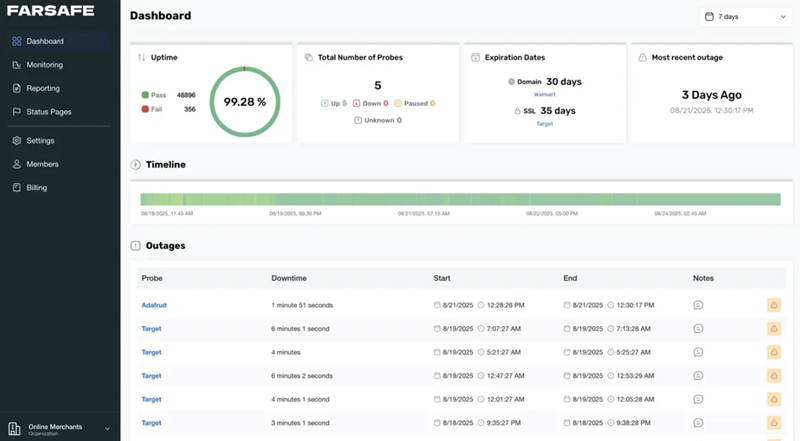
In today’s digital environment, even a few minutes of website downtime can lead to lost traffic, reduced trust, and missed revenue opportunities. Whether you run a business website, blog, or eCommerce platform, maintaining uptime is no longer optional. This is where a reliable website monitoring service free solution becomes essential.
Website monitoring tools track availability, performance, and critical technical factors in real time. However, monitoring alone is not enough. The real value lies in how quickly you are notified when something goes wrong. This is where multi-channel alerts play a critical role.
Instead of relying on a single notification method, modern monitoring systems use multiple channels such as email, SMS, and team collaboration platforms to ensure that no alert is missed. This article explains how multi-channel alerts improve monitoring effectiveness and why they are a key feature in any website monitoring service free solution.
What Is a Website Monitoring Service Free Solution
A website monitoring service free solution is a tool designed to track the health and availability of a website without requiring a paid subscription. These tools are widely used by startups, developers, and small businesses to ensure their websites remain accessible to users.
Core Functions of Website Monitoring
Most monitoring tools focus on several key areas:
- Uptime monitoring to check if a website is accessible
- Performance tracking to measure loading speed
- SSL certificate monitoring to prevent security warnings
- Domain monitoring to track expiration and configuration issues
These functions help website owners detect and resolve issues before they impact users.
Why Free Monitoring Tools Are Popular
Free monitoring tools provide an accessible starting point for users who want basic visibility into their website’s performance. They are especially useful for small teams and individuals who need cost-effective solutions.
However, many free tools have limitations, particularly when it comes to alert reliability. This makes multi-channel alerting a crucial feature for improving their effectiveness.
Understanding Multi-Channel Alerts in Website Monitoring
Multi-channel alerts refer to the ability of a monitoring system to send notifications through multiple communication platforms simultaneously.
Definition and Purpose
Instead of sending alerts through a single medium such as email, multi-channel systems distribute notifications across several platforms. This increases the likelihood that alerts are seen and acted upon quickly.
Common Alert Channels Used Today
Modern monitoring tools typically support:
- Email notifications for standard updates
- SMS alerts for urgent incidents
- Collaboration tools like Slack for team-based responses
- Push notifications for real-time awareness
This layered approach ensures redundancy and improves response time.
Why Multi-Channel Alerts Matter in Website Monitoring Service Free Tools
Multi-channel alerts are not just a convenience. They are essential for ensuring reliable monitoring, especially in free tools where features may be limited.
Faster Incident Detection
Real-time alerts enable immediate awareness of downtime or performance issues. The faster a problem is detected, the quicker it can be resolved, reducing the impact on users.
Reduced Risk of Missed Alerts
Relying solely on email can be risky. Messages can be delayed, filtered, or overlooked. Multi-channel alerts ensure that notifications reach users through at least one active channel.
Improved Team Collaboration
When alerts are sent to team communication platforms, multiple stakeholders can respond simultaneously. This reduces resolution time and improves operational efficiency.
How Multi-Channel Alerts Improve Incident Response Time
The effectiveness of a monitoring tool depends largely on how quickly teams can respond to issues.
Real-Time Awareness
Multi-channel alerts provide immediate notifications across devices and platforms. This ensures that issues are identified as soon as they occur.
Prioritization of Critical Issues
Advanced alert systems can differentiate between minor and critical issues. This allows teams to focus on high-impact problems first.
Automation and Escalation
Some monitoring systems include escalation workflows. If an alert is not acknowledged within a certain timeframe, it is automatically forwarded to another team member or channel.
According to Amazon Web Services, automated alerting and escalation significantly improve system reliability and reduce downtime in distributed environments.
Key Features to Look for in a Website Monitoring Service Free Tool
Choosing the right monitoring tool requires careful evaluation of its alerting capabilities.
Alert Frequency and Speed
Short monitoring intervals ensure that downtime is detected quickly. Tools that check websites every minute provide more accurate insights than those with longer intervals.
Integration Capabilities
The ability to integrate with platforms like Slack or other collaboration tools enhances team responsiveness and communication.
Custom Alert Settings
Users should be able to define thresholds, select notification channels, and customize alert triggers based on their needs.
Reporting and Logs
Access to historical data helps identify recurring issues and improve long-term performance.
Best Practices for Using Multi-Channel Alerts Effectively
To maximize the benefits of multi-channel alerts, it is important to follow best practices.
Avoiding Alert Fatigue
Too many alerts can overwhelm users and lead to important notifications being ignored. Setting appropriate thresholds helps reduce unnecessary alerts.
Setting Smart Thresholds
Alerts should be triggered based on meaningful performance changes, not minor fluctuations. This improves accuracy and relevance.
Testing Alert Systems Regularly
Regular testing ensures that all notification channels are functioning correctly and that alerts reach the intended recipients.
Trusted Sources and Industry Standards
Reliable monitoring practices are supported by industry leaders and research organizations.
Google Search Central emphasizes that website uptime and performance directly impact search rankings and user experience.
Cloudflare highlights the importance of proactive monitoring in maintaining fast and secure websites.
These insights reinforce the need for robust alerting systems within any website monitoring solution.
Common Mistakes When Using Website Monitoring Service Free Tools
Even with the right tools, improper usage can reduce effectiveness.
Relying on a Single Alert Channel
Using only one notification method increases the risk of missed alerts.
Ignoring Alert Configuration
Default settings may not align with specific needs. Customizing alerts improves accuracy and relevance.
Not Monitoring Key Pages
Monitoring only the homepage is not enough. Critical pages such as checkout or login areas should also be tracked.
The Future of Website Monitoring and Alerts
Website monitoring is evolving with advancements in technology.
AI-Based Alerting Systems
Artificial intelligence is being used to detect anomalies and reduce false alerts.
Predictive Monitoring
Future tools will identify potential issues before they occur, allowing proactive intervention.
Deeper Integration with DevOps Workflows
Monitoring systems are becoming more integrated with development pipelines, enabling faster fixes and continuous improvement.
Conclusion
Multi-channel alerts are a fundamental component of effective website monitoring. They ensure that issues are detected quickly, notifications are not missed, and teams can respond efficiently.
While a website monitoring service free solution provides a strong starting point, its true value depends on how well it delivers alerts. By leveraging multiple communication channels, website owners can significantly improve uptime, reliability, and overall user experience.
FAQ
What is a website monitoring service free tool?
A website monitoring service free tool tracks website uptime, performance, and technical health without requiring a paid subscription.
Why are multi-channel alerts important in website monitoring?
They ensure that alerts are delivered through multiple platforms, reducing the risk of missed notifications and improving response time.
Can free website monitoring services provide real-time alerts?
Yes, many free tools offer real-time alerts, although features may vary depending on the platform.
Which alert channel is the most reliable?
No single channel is completely reliable. Using multiple channels together provides the best coverage.
How often should website monitoring checks run?
Ideally, monitoring should occur at short intervals such as every one to five minutes for accurate and timely detection.