Namkeen Nutrition: Health Benefits and How to Choose Better Snacks
-
- February 23rd, 2026
- 1,280 views

FREE SEO Topical Map Generator: Find Your Next Content Ideas
Namkeen is a traditional South Asian savory snack made from ingredients such as lentils, chickpea flour, nuts, seeds, spices, and oil. Interest in the health benefits of Namkeen has grown as consumers look for snacks that offer nutrients as well as flavor. This article explains common nutritional components of namkeen, potential health advantages, and practical tips for choosing and enjoying it in a balanced way.
- Namkeen can provide protein, fiber, healthy fats, and micronutrients when made from legumes, nuts, and seeds.
- Preparation methods (frying vs. baking) and added salt or sugar strongly affect its nutritional profile.
- Choosing lower-salt and minimally processed varieties, watching portion sizes, and pairing namkeen with whole-food options can help incorporate it into a balanced diet.
What is namkeen and how is it made?
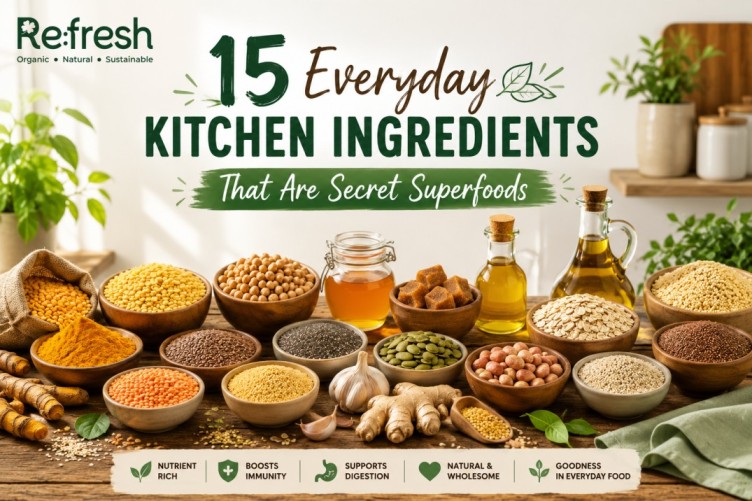
Namkeen refers to a wide range of savory snacks popular across South Asia. Traditional recipes use ingredients such as gram flour (besan), split chickpeas (chana dal), peanuts, roasted lentils, rice, semolina, and various seeds and spices. Common techniques include frying, shallow frying, or baking. Spices and seasonings—turmeric, cumin, asafoetida, chili powder, and salt—provide characteristic flavors. Commercially produced namkeen may include preservatives, trans fats (less often today), and higher amounts of sodium compared with homemade versions.
Health benefits of Namkeen
Source of plant-based protein
Many namkeen varieties are based on legumes or gram flour, supplying plant-based protein. Protein contributes to satiety and supports maintenance of muscle tissue. For people relying on vegetarian diets, legume-based namkeen can be a convenient protein-containing snack.
Fiber and digestive benefits
Snacks that include whole lentils, roasted chickpeas, or seeds provide dietary fiber. Fiber supports digestive regularity and can slow glucose absorption after a meal, which may help moderate blood sugar spikes when snacks are combined with carbohydrate-containing foods.
Healthy fats and micronutrients
Namkeen made with nuts and seeds contributes unsaturated fats, vitamin E, magnesium, and other minerals. These fats are associated with cardiovascular and metabolic benefits when they replace saturated fats in the overall diet. Including ingredients like peanuts, almonds, sesame, or flaxseed increases the content of essential nutrients compared with purely starchy snacks.
Role in appetite control and food variety
A savory option like namkeen can add flavor variety that helps people meet nutrient needs from other meals without resorting to highly processed crisps or sugary snacks. Its combination of salt, protein, and fat often promotes satiety, which may reduce overall caloric intake if portion sizes are managed.
Nutritional considerations and limitations
Sodium and added ingredients
Commercial namkeen can be high in sodium. Excess dietary sodium is associated with elevated blood pressure in some populations. Reading nutrition labels and choosing lower-sodium or unsalted varieties reduces this risk. Some packaged products also include added sugars, hydrogenated fats, or preservatives; monitoring ingredient lists can identify those additions.
Calories and portion size
Energy density varies by preparation method. Deep-fried items can be calorie-dense due to oil absorption. Frequent consumption in large portions may contribute to weight gain if overall energy balance is not considered. Portion control—measuring servings rather than eating straight from a large packet—helps manage intake.
Allergens and food safety
Common allergens in namkeen include peanuts, tree nuts, gluten (if wheat-based ingredients are used), and sesame. Packaged products should carry allergen information. Homemade preparations should follow safe handling and storage practices to prevent spoilage.
How to choose or make healthier namkeen
Ingredient-focused choices
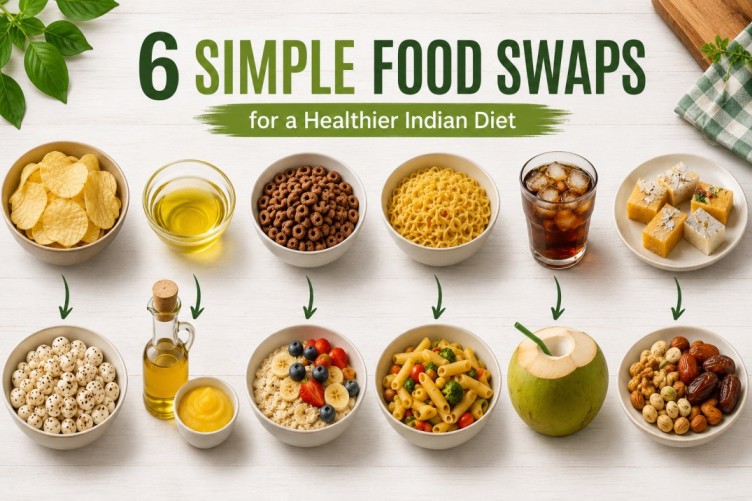
Look for namkeen that lists whole legumes, nuts, seeds, and spices as primary ingredients. Products without hydrogenated oils, excessive salt, or added sugars are preferable. When preparing namkeen at home, baking or air-frying can reduce oil usage compared with deep frying.
Combine with nutrient-dense foods
Pairing a small serving of namkeen with fresh vegetables, yogurt, or fruit can increase meal balance by adding vitamins, minerals, and additional fiber. Including a source of vegetable or dairy alongside the snack improves overall nutrient quality.
Check authoritative nutrient data
For detailed nutrient profiles of common ingredients used in namkeen, consult national nutrient databases and food composition tables. For example, the USDA FoodData Central provides laboratory-analyzed values for many legumes, nuts, and flours and can be useful for estimating calories and nutrient content: USDA FoodData Central.
Practical serving tips
Mindful snacking
Pre-portioning a serving into a small bowl or plate before eating encourages mindful attention to flavor and fullness cues. Avoid eating directly from large containers.
Frequency and variety
Rotating snacks and including fruits, vegetables, whole grains, and dairy or plant-based proteins across the day supports dietary variety. Using namkeen occasionally as a flavorful component—rather than the only snack—helps balance nutrient intake.
When to consult guidance
Individuals with specific health conditions—such as hypertension, kidney disease, or food allergies—may benefit from tailored advice from a registered dietitian or qualified health professional. Official public health organizations and professional nutrition bodies offer population-level guidance on sodium, saturated fat, and calorie intake.
Conclusion
Namkeen can be more than just a savory treat when made from legumes, nuts, seeds, and limited added salt or unhealthy fats. It can contribute protein, fiber, healthy fats, and micronutrients to the diet. Attention to ingredients, preparation methods, and portion sizes helps maximize potential benefits while limiting downsides associated with high sodium or excess calories.
Is namkeen healthy to eat every day?
Eating namkeen daily may be acceptable if the variety is legume- or nut-based, low in added salt and unhealthy fats, and consumed in controlled portions as part of an overall balanced diet. Individuals with special health conditions should follow guidance from qualified health professionals.
How does namkeen compare with other savory snacks?
Compared with highly processed potato crisps or sugary snacks, legume- or nut-based namkeen often provides more protein, fiber, and micronutrients. However, deep-fried or high-sodium commercial varieties can be similar in calories and sodium to other processed options.
Can homemade namkeen be a healthier option?
Homemade namkeen allows control over ingredients and preparation methods—baking or air-frying, reduced salt, and choosing whole legumes and seeds can improve the nutritional profile compared with many packaged alternatives.