Rhinoplasty in Islamabad: Balancing Cultural Sensitivity with Aesthetic Goals
-

- Published Updated
- 1,043 views

Detected intent: Informational
Choosing rhinoplasty in Islamabad requires balancing aesthetic goals with cultural expectations and functional safety. This guide explains local considerations, surgical options, decision frameworks, and practical steps that help candidates make informed choices while protecting breathing function and cultural identity.
Rhinoplasty combines cosmetic and functional goals. In Islamabad, cultural norms, family expectations, and the need for clear breathing are central. Use a stepwise checklist, verify surgeon credentials, and prioritize surgical safety standards before consenting.
Rhinoplasty in Islamabad: Key considerations
Rhinoplasty in Islamabad spans cosmetic dorsal reshaping, tip refinement, and functional septoplasty for breathing. Common synonyms and related procedures include nose job, septoplasty, functional rhinoplasty, and cosmetic nasal revision. Important local considerations include cultural preferences for facial harmony, concerns about ethnic identity, and family input during decision-making.
Why cultural sensitivity matters
Facial aesthetics are interpreted through cultural context. In Islamabad and across Pakistan, subtle refinements that preserve ethnic characteristics are often preferred over dramatic Westernized changes. Cultural sensitivity prevents regret and social friction; it also supports realistic communication between the patient, their family, and the surgeon.
Standards, credentials, and safety
Verify surgeon credentials through the Pakistan Medical Commission (PMC) or the College of Physicians and Surgeons Pakistan (CPSP). For surgical safety, hospitals should follow internationally recognized checklists; for example, the WHO Surgical Safety Checklist is a global standard that supports safer perioperative care. Also confirm anesthesia staffing, post-op monitoring, and emergency protocols at the facility.
Decision framework: the C.A.R.E. Checklist
Use the C.A.R.E. Checklist to structure decisions before scheduling surgery.
- C — Candidacy: Medical fitness, nasal obstruction, previous surgeries.
- A — Aesthetic goals: Specific features to change and cultural preferences.
- R — Respiratory function: Objective tests (rhinomanometry, endoscopy) and symptom review.
- E — Expectations & entourage: Realistic outcomes, photos, and family consultation.
Short real-world example
A 28-year-old professional from Islamabad seeks a narrower nasal bridge while keeping a tip compatible with South Asian facial features. The surgeon documents breathing symptoms, performs nasal endoscopy, and suggests minor dorsal refinement plus conservative tip work. Family members meet with the surgeon to discuss cultural concerns. Surgery proceeds only after confirming functional tests and aligning expectations via before/after simulations.
How surgeons balance function and form
Balancing cosmetic goals with breathing requires a combined approach: structural grafting, conservative cartilage resection, and septal correction when necessary. Surgeons in Islamabad commonly plan for both aesthetic modeling and septoplasty in a single operation when obstruction is present. Discuss anticipated changes, scarring, and recovery timeline during the consultation.
Common surgical options
- Open rhinoplasty — better visualization for complex reshaping.
- Closed rhinoplasty — smaller incisions and less swelling for selected cases.
- Septoplasty — corrects septal deviation to improve breathing.
- Revision rhinoplasty — for corrections after prior nose surgery.
Practical tips for patients
- Request surgeon credentials from PMC or CPSP and review before/after photos that match the patient's ethnic profile.
- Obtain a clear cost estimate; discuss factors affecting Islamabad nose job cost such as hospital fees, anesthesia, and grafting materials.
- Ask for objective breathing evaluation (e.g., endoscopy) if nasal obstruction exists; prioritize functional correction over purely cosmetic changes.
- Bring a trusted family member to consultations if cultural or familial input matters.
Trade-offs and common mistakes
Common mistakes include focusing only on cosmetic photos without assessing breathing, accepting unrealistic "model" images, and choosing aggressive reduction that erases ethnic features. Trade-offs often involve balancing minor cosmetic tweaks with structural grafts that protect long-term function; grafting increases surgical time and cost but reduces collapse risk. Revision surgery can be more complex and costly than primary operations.
Questions patients commonly search
Core cluster questions for further reading and internal linking:
- How to choose a qualified rhinoplasty surgeon in Islamabad?
- What are the realistic outcomes after ethnic rhinoplasty?
- How does septoplasty improve breathing during rhinoplasty?
- What is the typical recovery timeline after nasal surgery?
- When is revision rhinoplasty recommended?
Checklist before booking surgery
Final pre-op checklist:
- Confirm surgeon registration with PMC/CPSP and review at least three matched-case photos.
- Complete nasal function testing if obstructive symptoms exist.
- Receive a written cost breakdown including hospital and anesthesia fees.
- Get a clear post-op care plan, follow-up schedule, and emergency contact.
FAQ: Is rhinoplasty in Islamabad safe and what should be asked?
Rhinoplasty in Islamabad can be safe when performed by accredited surgeons in properly equipped hospitals. Ask about credentials, complication rates, anesthesia team, and access to intensive care if needed.
How much does an Islamabad nose job cost and what influences price?
Islamabad nose job cost varies by complexity, hospital class, anesthesia, and need for graft materials. Price ranges are facility- and surgeon-dependent; request a written quote and compare like-for-like services.
Can cultural considerations be preserved during cosmetic nasal surgery?
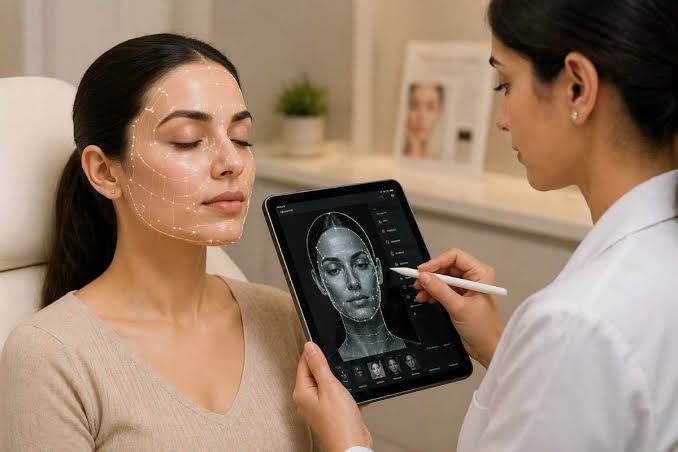
Yes. Surgeons can plan conservative reshaping that respects ethnic features. Clear communication using photos and 3D simulations helps align cultural preferences with surgical techniques.
What are the signs that functional nasal surgery is needed?
Persistent nasal obstruction, chronic mouth-breathing, recurrent sinus infections, or failed medical therapy are common indicators. Objective testing and specialist evaluation confirm the need for septoplasty or turbinate reduction.
Will rhinoplasty in Islamabad change ethnic identity?
Rhinoplasty can modify specific nasal features without erasing ethnic identity when performed conservatively. Discuss desired degree of change and review ethnicity-matched examples during planning.