Nasha Mukti Kendra in Banur: What Families Should Know Before Choosing One
-

- Published Updated
- 5,834 views
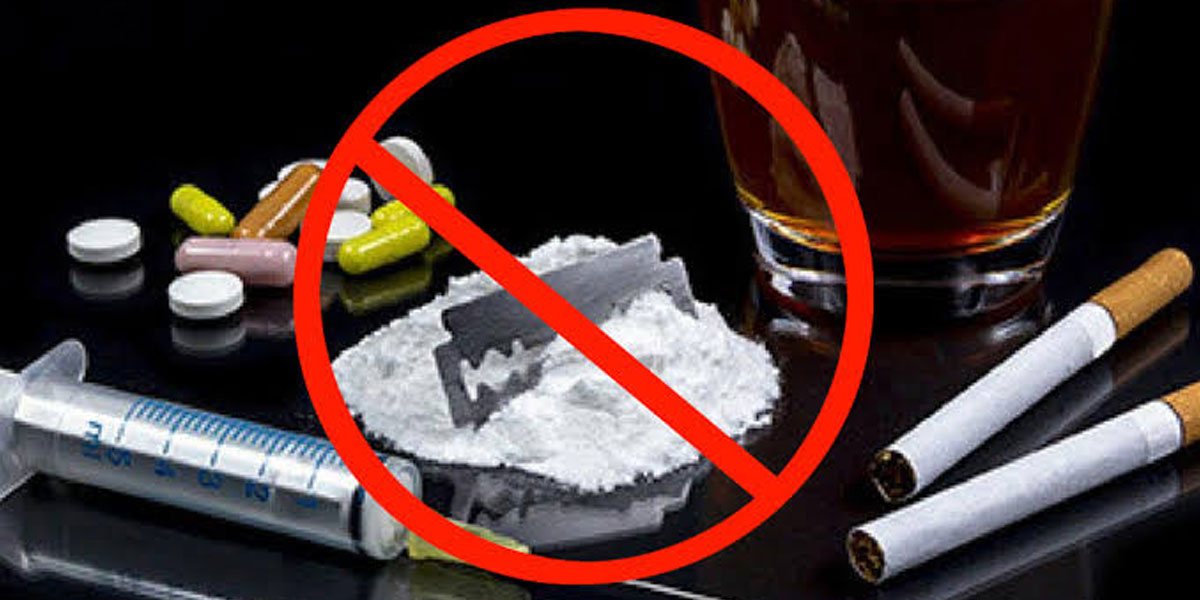
Watching someone close to you lose themselves to addiction is one of the hardest things a family can go through. You search, you worry, you ask around — and eventually, you look for a nasha mukti kendra in Banur, hoping someone there can actually help.
Here's the thing: not every centre is the same. Some are genuinely equipped to support recovery. Others are barely equipped to do much at all. And the difference between the two can mean everything.
Banur, in Punjab's Patiala district, has seen growing demand for credible addiction treatment — and that's led to more options, but also more confusion for families who don't know what to look for. This guide will walk you through what real rehabilitation looks like, what questions to ask, and how to find a centre that treats both the person and the problem.
What Is a Nasha Mukti Kendra, and Who Actually Needs One?
A nasha mukti kendra — literally a "de-addiction centre" — is a facility that provides structured medical and psychological treatment for people struggling with drug or alcohol dependency. The goal isn't just to stop substance use. It's to help someone understand why they started, address what's underneath, and build the skills to stay sober long-term.
Most families reach out when things have already gotten serious: missed work, strained relationships, health problems, or a crisis moment that made staying silent impossible. If that sounds familiar, you're not alone, and reaching out to a nasha mukti kendra in Banur or the surrounding region is absolutely the right instinct.
The people who benefit most from residential treatment are those who:
Home-based attempts to stop have failed repeatedly
There's a physical dependence (especially on alcohol, opioids, or sedatives) that requires medical supervision during withdrawal
The person's environment itself is part of the problem — enabling relationships, easy access to substances, or ongoing stress
Outpatient support can work for mild cases. But for moderate to severe addiction, a proper residential programme gives the person a real break from the cycle — structured days, medical monitoring, therapy, and distance from triggers.
What Genuine Addiction Treatment in Banur Actually Looks Like
This is where many families get misled. A real nasha mukti kendra in Banur doesn't just keep someone in a room and wait for the craving to pass. That's not treatment — that's detention.
What genuine, evidence-based rehab looks like in practice:
1. Medical Detoxification The first phase is medically supervised withdrawal. Depending on the substance, withdrawal can be uncomfortable or genuinely dangerous (alcohol withdrawal, for example, can cause seizures). A proper centre has qualified medical staff — at minimum a doctor and trained nurses — managing this phase with medication-assisted treatment where needed.
2. Psychological Counselling One-on-one sessions with a counsellor help the person understand what drives their substance use. This isn't about blame. It's about patterns — emotional triggers, past trauma, stress responses — that feed the addiction. Without this work, most people relapse within months of leaving.
3. Group Therapy Something happens in a room with other people who understand what you're going through. Group sessions reduce shame, build accountability, and create a peer support network that often continues after discharge.
4. Family Involvement Addiction doesn't happen in isolation, and recovery can't either. Good centres involve family members through counselling sessions or dedicated family therapy days. What we've seen repeatedly is that families who participate in the process have far better outcomes than those who drop someone off and wait.
5. Aftercare Planning This is the part most people overlook. What happens when someone leaves? A credible nasha mukti kendra in Banur will have a clear aftercare plan — follow-up appointments, support groups, relapse prevention strategies, and sometimes continued outpatient sessions.
For families in Punjab looking for a structured, ethically run programme, Paryaas Foundation is one centre that has built its approach around long-term recovery, not short-term containment.
How to Choose the Right Nasha Mukti Kendra in Banur
Most people make their decision based on proximity or cost. Those things matter — but they shouldn't be the only factors.
Here's what to actually assess:
Is the centre registered?
In India, de-addiction centres are supposed to be registered under the Ministry of Social Justice and Empowerment and comply with the Drugs and Cosmetics Act for medical facilities. Ask to see their registration documents. If a centre hesitates or deflects, that's a serious red flag.
Who is on staff?
A good centre will have at minimum: a qualified psychiatrist or physician for medical supervision, certified counsellors for psychological support, and trained support staff for daily care. Don't be afraid to ask about qualifications — any legitimate centre will answer openly.
What does a typical day look like?
The answer should involve structured activities: therapy sessions, wellness activities (yoga, exercise, skill-building), group sessions, and appropriate rest. Vague answers like "we keep them busy" or "they rest and recover" suggest there's no real programme in place.
How do they handle relapse?
Relapse is common in recovery — statistically, most people experience it at some point. A good centre treats relapse as part of the process, not a failure. They should have protocols for what happens if someone relapses during treatment, and a clear plan for addressing it without shame or punishment.
Is family communication maintained?
You should be able to reach your family member during treatment (with appropriate boundaries). Complete blackout periods with no contact or explanation can be a warning sign. Transparency matters.
Red Flags to Watch For
Most families don't realise this until it's too late — some centres that appear legitimate are little more than lockdown facilities with no therapeutic value. Real treatment requires real expertise.
Watch out for:
No visible registration or license when asked
Promises of "100% guaranteed cure" — addiction treatment is a process, not a guarantee
No psychiatrist or qualified doctor on site
Physical restraints or punitive approaches are used as treatment
No mention of counselling, therapy, or aftercare
Pressure to pay large sums upfront, with no treatment outline provided
Families were not allowed any contact for weeks, with no explanation
The bar should be compassionate, structured, evidence-informed care — not confinement.
FAQ: Nasha Mukti Kendra in Banur
1. What is a nasha mukti kendra in Banur? A nasha mukti kendra in Banur is a residential or outpatient facility that provides medical and psychological treatment for people dealing with drug or alcohol addiction. These centres offer detoxification, counselling, group therapy, and aftercare support to help individuals achieve long-term sobriety.
2. How long does treatment at a de-addiction centre in Banur typically last? Treatment duration varies based on the type and severity of addiction. Most residential programmes run between 30 and 90 days. Severe or long-term dependency cases may require extended stays. Aftercare support, including outpatient sessions and support groups, often continues for months following discharge.
3. Is it safe to admit someone to a nasha mukti kendra without their consent? In India, adult individuals generally need to consent to admission except in emergency situations. Families dealing with someone who refuses help can seek guidance from a psychiatrist or a rehabilitation counsellor about available legal and voluntary pathways. Coercive admission without medical or legal backing can cause trauma and worsen outcomes.
4. What substances do de-addiction centres in Banur treat? Most registered centres treat a range of dependencies, including alcohol, heroin, opium, cannabis, prescription medication misuse, and synthetic drugs. It's worth confirming with any specific centre what substances they are equipped to treat medically.
5. How much does a nasha mukti kendra in Banur cost? Costs vary widely depending on the type of facility, programme length, and level of care. Basic government-supported centres may charge minimal fees. Private residential centres typically range from a few thousand to tens of thousands of rupees per month. Always get a clear breakdown of what's included before making a commitment.
6. What should families do to support someone in recovery after they leave the centre? Recovery doesn't end at discharge. Families can help by attending any recommended family counselling sessions, removing substances from the home, encouraging consistent follow-up appointments, and being patient with the recovery process. Avoid framing relapse as a moral failure — treating it as a medical event that needs a response is far more productive.
7. How do I know if a nasha mukti kendra in Banur is legitimate? Ask for their registration certificate under the appropriate state or central authority. Ask who the qualified medical and psychological staff are. Visit in person if possible before admitting anyone. A legitimate centre will welcome your questions, not dismiss them.
8. Can women get treatment at de-addiction centres in Banur? Yes, though not all centres have separate wards or programmes designed specifically for women. If you're seeking treatment for a woman, confirm whether the centre has female counsellors and gender-specific accommodation, as these significantly affect comfort and outcomes.
Finding the Right Help Doesn't Have to Be Overwhelming
It's not easy to make this decision. The fear of doing the wrong thing, the guilt, the exhaustion — it's all real. But taking the step to look for a nasha mukti kendra in Banur means you're already doing something most people in your position wait too long to do.
The most important thing is this: choose a centre based on what it actually does, not just what it promises. Ask the hard questions. Visit if you can. And remember that recovery is possible — not guaranteed on a timeline, but genuinely, absolutely possible.
Whatever happens next, you don't have to figure it all out alone.