The Transformative Role of System Navigation in Scoliosis Surgery and Spine Decompression
-

- Published Updated
- 9,210 views
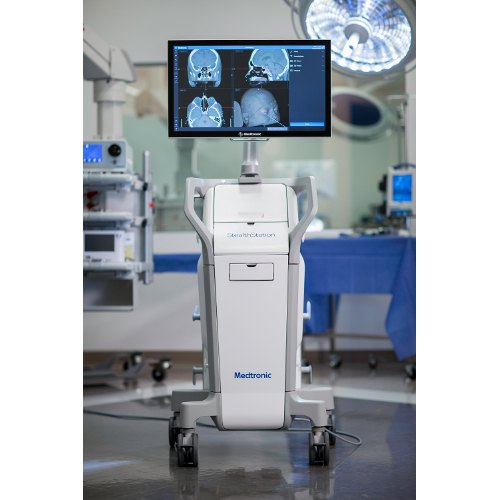
Spine surgery has entered a new era of precision and safety, thanks to rapid advancements in medical technology. Among the most impactful innovations is system navigation, a powerful tool that enhances the surgeon’s ability to perform complex procedures with unmatched accuracy. When applied to challenging operations like scoliosis surgery and spine decompression, system navigation significantly improves patient outcomes, reduces risks, and supports minimally invasive techniques.
This blog explores how system navigation is revolutionizing spine care, particularly in scoliosis correction and decompression procedures, and why it is becoming a standard in modern surgical practice.
What Is System Navigation in Spine Surgery?
System navigation refers to computer-assisted, image-guided technology that provides real-time visualization of a patient’s anatomy during surgery. It integrates preoperative scans such as CT or MRI with intraoperative imaging to create a dynamic, 3D map of the spine.
Think of it as a GPS system for surgeons. Just as navigation apps guide drivers through complex routes, system navigation helps surgeons accurately locate anatomical landmarks, plan surgical paths, and place instruments with precision.
This technology is particularly valuable in spine procedures, where millimeter-level accuracy is critical due to the proximity of nerves, spinal cord, and vital structures.
Understanding Scoliosis and the Need for Precision
Scoliosis surgery is performed to correct abnormal curvature of the spine, which may appear as an “S” or “C” shape. This condition can affect children, adolescents, and adults, often leading to pain, reduced mobility, and in severe cases, respiratory issues.
Correcting scoliosis involves:
- Straightening the spine
- Stabilizing it using rods, screws, or implants
- Achieving proper alignment in three dimensions
The complexity of scoliosis lies in the irregular shape and rotation of the vertebrae. Each patient’s anatomy is unique, making surgical planning and execution highly demanding.
Role of System Navigation in Scoliosis Surgery
System navigation has become an essential tool in scoliosis surgery, offering numerous advantages that enhance both safety and outcomes.
1. Precise Pedicle Screw Placement
One of the most critical steps in scoliosis surgery is inserting pedicle screws into the vertebrae. Misplacement can lead to nerve damage or spinal cord injury.
System navigation provides real-time guidance, ensuring screws are placed accurately, even in severely rotated or deformed vertebrae.
2. Improved Spinal Alignment
By offering a detailed 3D view, system navigation allows surgeons to better understand the curvature and rotation of the spine. This leads to more effective correction and improved alignment.
3. Reduced Radiation Exposure
Traditional scoliosis surgeries rely heavily on fluoroscopy (continuous X-ray imaging). System navigation minimizes the need for repeated imaging, reducing radiation exposure for both patients and surgical teams.
4. Enhanced Safety and Confidence
With precise visualization of anatomical structures, surgeons can avoid critical nerves and blood vessels, significantly lowering the risk of complications.
5. Consistency in Outcomes
Navigation systems standardize procedures, making outcomes more predictable regardless of case complexity.
Spine Decompression: Relieving Pressure with Precision
Spine decompression surgery is performed to relieve pressure on the spinal cord or nerves. This pressure is often caused by:
- Herniated discs
- Spinal stenosis
- Bone spurs
- Degenerative disc disease
Patients suffering from nerve compression may experience pain, numbness, tingling, or weakness, particularly in the back, legs, or arms.
The goal of spine decompression is simple yet delicate: remove the source of pressure while preserving as much healthy tissue as possible.
How System Navigation Enhances Spine Decompression
System navigation plays a crucial role in improving the accuracy and effectiveness of spine decompression procedures.
1. Accurate Localization of the Problem Area
Navigation systems help surgeons pinpoint the exact location of nerve compression. This eliminates guesswork and ensures targeted treatment.
2. Minimally Invasive Approach
With better visualization, surgeons can perform decompression through smaller incisions. This reduces muscle damage and leads to quicker recovery.
3. Preservation of Healthy Tissue
System navigation allows surgeons to remove only the problematic tissue, preserving surrounding structures and maintaining spinal stability.
4. Reduced Risk of Complications
Clear visualization of nerves and spinal structures minimizes the risk of accidental injury during surgery.
5. Faster Recovery and Better Outcomes
Patients benefit from less postoperative pain, shorter hospital stays, and quicker return to daily activities.
Key Benefits of System Navigation Across Spine Procedures
Whether used in scoliosis correction or decompression surgery, system navigation offers a wide range of benefits:
Enhanced Precision
Surgeons can operate with millimeter-level accuracy, reducing errors and improving outcomes.
Improved Patient Safety
Real-time imaging helps avoid critical structures, minimizing surgical risks.
Reduced Operative Time
Efficient guidance can shorten surgery duration, lowering anesthesia exposure.
Lower Radiation Exposure
Less reliance on continuous X-rays protects both patients and medical staff.
Support for Minimally Invasive Surgery
Navigation systems enable smaller incisions and less tissue disruption.
Better Long-Term Results
Accurate procedures lead to improved spinal stability and reduced need for revision surgeries.
Integration with Advanced Technologies
System navigation is often combined with other cutting-edge technologies to further enhance surgical performance:
Robotics
Robotic-assisted systems work alongside navigation tools to execute highly precise movements.
Artificial Intelligence
AI helps analyze imaging data and assist in surgical planning, improving decision-making.
Augmented Reality
AR overlays digital images onto the surgical field, providing even more intuitive guidance.
These integrations are shaping the future of spine surgery, making procedures safer and more efficient.
Challenges and Considerations
While system navigation offers numerous advantages, it also comes with certain challenges:
- High Initial Cost: Advanced navigation systems require significant investment.
- Learning Curve: Surgeons and staff need proper training to use the technology effectively.
- Dependence on Technology: System accuracy depends on proper calibration and imaging quality.
Despite these challenges, the long-term benefits far outweigh the limitations, especially in complex spine procedures.
The Future of Spine Surgery with System Navigation
The future of spine care is closely tied to advancements in system navigation. As technology continues to evolve, we can expect:
- Greater integration with AI and machine learning
- More compact and cost-effective systems
- Increased adoption in hospitals worldwide
- Enhanced patient-specific surgical planning
These developments will make spine surgery even more precise, accessible, and patient-friendly.
Why System Navigation Is Becoming the Standard
The growing adoption of system navigation in scoliosis surgery and spine decompression is not just a trend—it reflects a shift toward precision medicine.
Hospitals and surgeons are increasingly choosing navigation systems because they:
- Improve surgical accuracy
- Reduce complications
- Enhance patient satisfaction
- Deliver consistent results
As awareness increases, patients are also seeking hospitals that offer advanced navigation-assisted procedures.
Conclusion
The integration of system navigation into modern spine surgery has transformed the way complex procedures are performed. In both scoliosis surgery and spine decompression, this technology provides unparalleled precision, safety, and efficiency.
By enabling real-time visualization and accurate guidance, system navigation empowers surgeons to achieve better outcomes while minimizing risks. Patients benefit from less pain, faster recovery, and improved quality of life.
As innovation continues to advance, system navigation will play an even more central role in spine care, setting new standards for surgical excellence.