Non-Voice BPO in 2025: A Practical Guide to Back-Office Automation and Outsourced Digital Processing
-

- February 26th, 2026
- 538 views

Get a free topical map and start building content authority today.
Non-voice BPO 2025 is reshaping how companies outsource back-office functions: automation, AI-assisted processing, and stricter data controls now define competitive service models. This guide explains what buyers and operators need to know to plan, evaluate, and scale non-voice outsourcing projects in 2025.
Detected intent: Informational
Non-voice BPO 2025: What to Expect
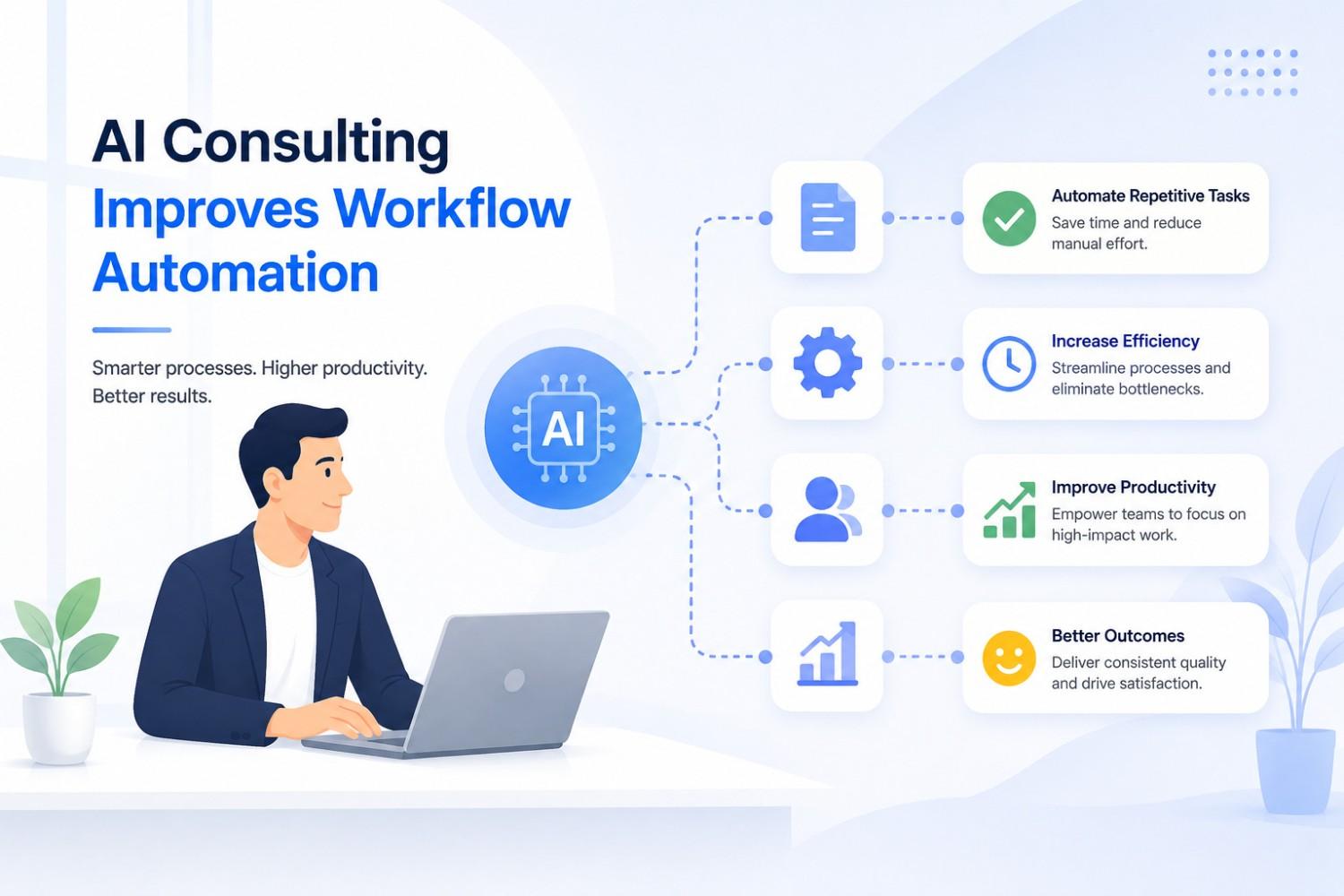
Demand for non-voice BPO pivots from labor arbitrage to technology-enabled outcomes. Buyers seek higher accuracy, faster turnaround, and transparent compliance for processes such as invoice processing, KYC document review, and large-scale data normalization. Expect contracts to emphasize service-level outcomes, data residency, and continuous improvement rather than seat counts.
Market drivers and common use cases
Why organizations choose non-voice outsourcing
Cost control remains important, but three drivers dominate in 2025: automation-first efficiency, need for scalable digital processing pipelines, and regulatory pressure around data protection. Common use cases include OCR-based document ingestion, transaction reconciliation, claims adjudication, and moderation of user-generated content via batch reviews.
Related technologies and terms
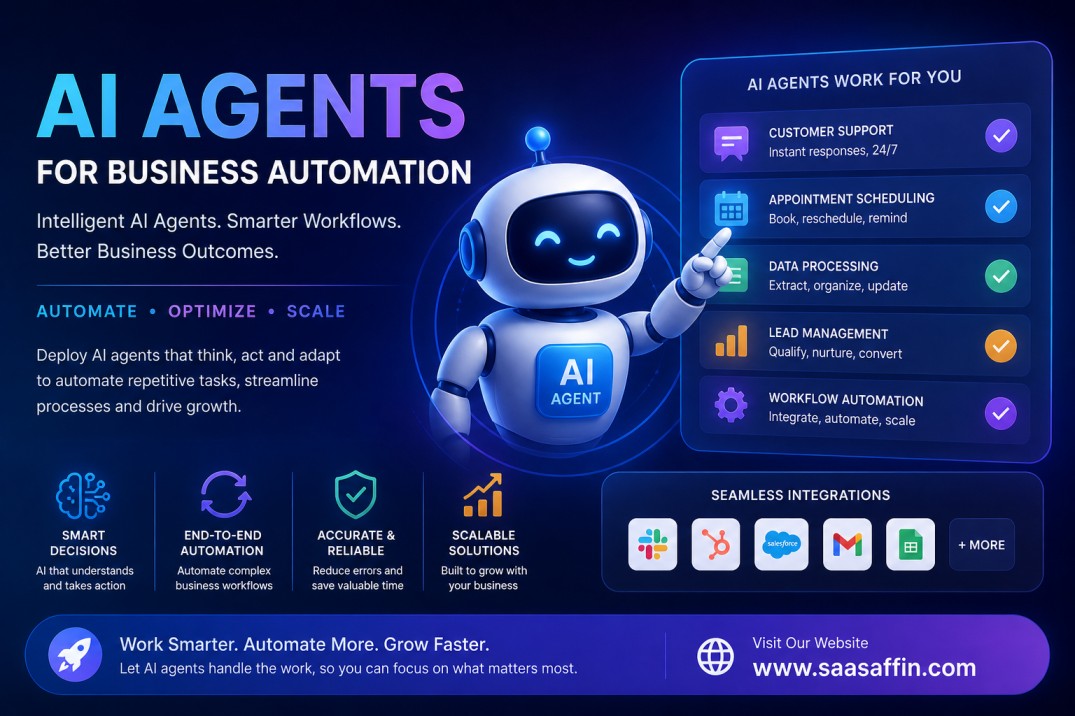
Key technologies include robotic process automation (RPA), document AI (OCR + NLP), workflow orchestration, and secure API-based integrations. Synonyms and related entities: back-office automation, outsourced digital processing, data-entry outsourcing, document processing, KYC automation, and compliance frameworks.
The SCALE framework for non-voice BPO
The SCALE framework provides a practical roadmap for evaluating and running non-voice engagements.
- Strategy — Define process outcome metrics (accuracy, cycle time, cost per transaction) and contractual KPIs.
- Compliance — Map data flows, legal jurisdiction, and encryption requirements; require evidence of certifications and controls.
- Automation — Plan which tasks to automate, which to keep human, and how to monitor model drift.
- Learning — Establish feedback loops for continuous improvement and a labeled dataset for automation tuning.
- Excellence — Governance, SLAs, reporting cadence, and escalation paths to maintain performance.
Implementation checklist (quick)
- Define process scope and success metrics.
- Run a 4–8 week pilot with measured KPIs.
- Map data residency and encryption needs; require third-party audit reports where possible.
- Agree integration points (APIs, batch file specs) and a rollback plan.
- Set continuous improvement targets and a governance committee.
How to evaluate vendors: practical criteria
Technical and commercial filters
Compare vendors on automation maturity, ability to support secure API-based workflows, experience with similar data volumes, and transparency in pricing (per-transaction vs. seat-based). Look for evidence of operational controls, runbooks, and change-management processes.
Security and compliance
Information security must be a contractual requirement. For example, require clear statements on encryption, access controls, and incident response. For established standards and guidance on information security management, review ISO/IEC 27001 for best practices (ISO/IEC 27001 overview).
Real-world example: claims processing pilot
A mid-size insurer piloted outsourced claims intake for 5,000 monthly forms. Scope: OCR capture, data validation, and exception routing. Steps taken: mapped fields and expected accuracy, trained document models on a labeled 2,000-form dataset, ran a four-week shadow pilot comparing vendor output to in-house workflows, and required weekly KPI reports. Result: 40% faster cycle time and a 25% reduction in manual touchpoints after phased automation. Contract included a 90-day transition SLA and a clause for model retraining cadence.
Practical tips
- Start with a measurable pilot: capture baseline metrics before any SLA is signed.
- Design contracts around outcomes (accuracy, TAT) not headcount; include performance-based adjustments.
- Protect data early: limit access, use encryption in transit and at rest, and enforce least-privilege controls.
- Plan for integration costs—data mapping and API adapters are common hidden expenses.
- Build a labeled dataset from the pilot to improve automation models and reduce drift.
Trade-offs and common mistakes
Trade-offs
Speed vs. accuracy: aggressive automation reduces cost and time but can increase exception rates. Onshoring vs. offshore: onshoring improves control and can simplify compliance but usually raises service cost. Platform lock-in vs. flexibility: deeper integration yields efficiency but reduces portability.
Common mistakes
- Skipping a measurable pilot and moving directly to full-scale rollout.
- Underestimating integration and change-management effort.
- Defining vague SLAs that focus on inputs (agents/hours) rather than outputs (accuracy, cycle time).
Core cluster questions
- How to pilot a non-voice outsourcing project?
- What security controls are essential for outsourced data processing?
- Which processes benefit most from BPO back-office automation?
- How to structure outcome-based SLAs for document processing?
- When should a buyer build automation in-house versus use a vendor?
Frequently asked questions
What is non-voice BPO 2025 and who should consider it?
Non-voice BPO 2025 describes outsourced back-office services that prioritize automation, data security, and measurable outcomes. Organizations with high-volume, repetitive digital processes—billing, claims, KYC, content moderation, or invoice processing—should consider it when cost, speed, and compliance are priorities.
How does BPO back-office automation reduce costs?
Automation reduces manual touches, lowers error rates, and speeds cycle times. When implemented with a feedback loop and monitoring, automation reduces per-transaction cost while improving throughput and consistency.
What are the key contract terms for outsourced digital processing?
Key terms include clear KPIs (accuracy, TAT), data residency clauses, incident response timeframes, audit rights, termination and transition support, and pricing mechanics tied to outputs rather than seats.
How to measure success during a pilot?
Track baseline vs. pilot KPIs: processing time, accuracy/error rate, exceptions per 1,000 items, cost per transaction, and customer impact metrics if applicable. Use these to decide on scale-up and contract terms.
Can automation replace human reviewers entirely?
Not immediately. Best practice is a hybrid model: automation handles high-volume, low-complexity tasks while humans manage exceptions, quality control, and training datasets for improved models.