North India Tour with Wildlife Tours India: Tigers, Leopards & Iconic Safari Experiences
-

- Published Updated
- 9,437 views
A north India tour is one of the most diverse and rewarding travel experiences you can undertake in Asia. When paired with wildlife tours India, it becomes a journey that blends thrilling jungle safaris, ancient heritage, vibrant cultures, and breathtaking landscapes. North India is not just about iconic landmarks—it is also home to some of the richest biodiversity zones in the country.
From spotting majestic Bengal tigers in dense forests to exploring royal palaces and UNESCO World Heritage Sites, this region offers a perfectly balanced itinerary for travelers of all kinds. Whether you are a wildlife enthusiast, photographer, or cultural explorer, North India has something exceptional to offer.
Why Choose North India for Wildlife Tours India?
North India stands out due to its remarkable ecological variety. The region includes Himalayan foothills, river valleys, grasslands, and dry forests, each supporting unique wildlife ecosystems. This diversity makes it a hotspot for wildlife tours India.
Another major advantage is accessibility. Most national parks are well connected to Delhi, which acts as the primary entry point for travelers. Within a few hours of travel, you can move from a bustling metropolitan city to a serene jungle environment.
Additionally, North India allows travelers to combine wildlife adventures with cultural exploration. Unlike many destinations where you must choose between nature and history, here you can enjoy both in a single itinerary.
Top Wildlife Destinations in North India
Jim Corbett National Park, Uttarakhand
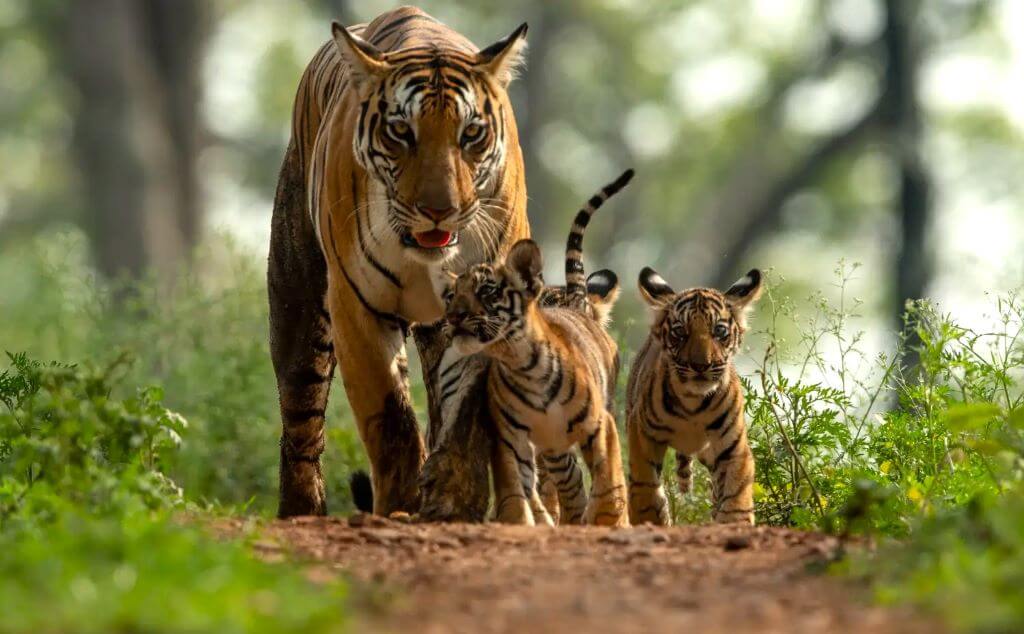
Jim Corbett National Park is the oldest national park in India and one of the most famous wildlife destinations in Asia. Established in 1936, it is a key part of Project Tiger and is known for its healthy population of Bengal tigers.
The park features a mix of landscapes—river belts, grasslands, and dense forests—making every safari unique. Apart from tigers, visitors can spot elephants, leopards, crocodiles, and hundreds of bird species.
Best Time to Visit: November to June
Key Experience: Jeep safaris in zones like Dhikala and Bijrani
Ranthambore National Park, Rajasthan
Ranthambore National Park is one of the best places in India to spot tigers in the wild. What makes this park unique is the combination of wildlife and historical ruins, including the famous Ranthambore Fort.
The open terrain and dry deciduous forest increase the chances of sightings, making it ideal for photographers and first-time safari travelers.
Best Time to Visit: October to April
Key Experience: Tiger sightings near lakes and ancient ruins
Jhalana Leopard Safari Park, Jaipur
Jhalana Leopard Safari Park is one of India’s first dedicated leopard reserves and a must-add destination in a modern north India tour. Located within the city of Jaipur, it offers a rare opportunity to spot leopards in a semi-urban forest setting.
Unlike large national parks, Jhalana is compact, which significantly increases the chances of leopard sightings within a short safari duration. It is especially popular among photographers and travelers who want a quick yet rewarding wildlife experience without venturing too far from the city.
Best Time to Visit: October to March
Key Experience: High probability of leopard sightings, Easy accessibility from Jaipur city, Ideal for short wildlife tours and day trips
Jhalana adds a unique dimension to wildlife tours India by focusing on leopards rather than tigers, making your itinerary more diverse.
Dudhwa National Park, Uttar Pradesh
Dudhwa National Park is a hidden gem for those seeking less crowded wildlife tours India. Located near the Indo-Nepal border, it offers a raw and untouched jungle experience.
The park is known for its successful conservation of the swamp deer (barasingha) and is also home to tigers, elephants, and a wide range of bird species.
Best Time to Visit: November to May
Key Experience: Peaceful safaris with minimal tourist traffic
Rajaji National Park, Uttarakhand
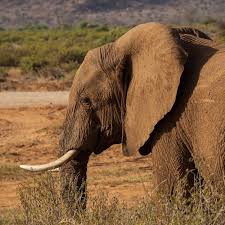
Rajaji National Park is known for its large population of Asian elephants and scenic forest landscapes. Its proximity to spiritual towns like Haridwar and Rishikesh makes it a great addition to a north India tour.
Best Time to Visit: November to June
Key Experience: Elephant sightings and birdwatching
Cultural Experiences to Combine with Wildlife Tours
A north India tour is incomplete without exploring its rich cultural heritage. The region is home to some of the world’s most iconic monuments and cities.
Golden Triangle Circuit
Golden Triangle India is the most popular travel route in North India and pairs perfectly with wildlife tours.
- Delhi – A blend of Mughal history and modern lifestyle
- Agra – Home to the magnificent Taj Mahal
- Jaipur – Famous for forts, palaces, and vibrant markets
Ranthambore National Park is located near Jaipur, making it easy to include in this route.
Types of Wildlife Tours India Offers
Jeep Safaris
The most popular and flexible way to explore national parks, offering close encounters with wildlife.
Canter Safaris
Ideal for larger groups, especially in parks like Ranthambore.
Elephant Safaris
Provide a unique and elevated view of the जंगल terrain, available in select parks.
Birdwatching Tours
North India is home to migratory birds during winter, making it a paradise for bird lovers.
Luxury Wildlife Tours
High-end resorts and curated safari experiences are available for travelers seeking comfort and exclusivity.
Best Time to Visit for Wildlife Tours India
Seasonality plays a crucial role in planning:
- Winter (October to February): Pleasant weather and great for birdwatching
- Summer (March to June): Best time for tiger sightings
- Monsoon (July to September): Most parks remain closed
For the best wildlife sightings, summer is often the most rewarding despite higher temperatures.
Suggested 12-Day North India Tour Itinerary
Day 1–2: Arrival in Delhi and city exploration
Day 3: Travel to Agra, visit Taj Mahal
Day 4–5: Jaipur sightseeing
Day 6–7: Ranthambore National Park safaris
Day 8–9: Jim Corbett National Park
Day 10: Travel to Haridwar/Rishikesh
Day 11: Visit Rajaji National Park
Day 12: Return to Delhi
This itinerary balances wildlife, culture, and spirituality.
Travel Tips for a Successful Wildlife Tour
- Book safaris well in advance
- Wear neutral-colored clothing
- Carry binoculars and cameras
- Follow park rules and maintain silence
- Choose experienced guides for better insights
Responsible Wildlife Tourism
Wildlife tours India play a crucial role in conservation. By choosing responsible travel practices, you contribute to protecting endangered species and preserving ecosystems.
- Avoid plastic usage
- Respect wildlife habitats
- Support eco-friendly accommodations
- Do not disturb animals during safaris
Conclusion
A north India tour combined with wildlife tours India offers an unmatched travel experience that blends adventure, culture, and nature. From the thrill of spotting a tiger in the wild to exploring timeless monuments like the Taj Mahal, every moment is unforgettable.
North India’s diversity ensures that no two journeys are the same. Whether you are traveling for photography, relaxation, or exploration, this region promises a deeply enriching experience. With proper planning and responsible tourism, your trip can become a meaningful journey into the heart of India’s natural and cultural heritage.