The Psychology of Nostalgia Baking: Why Certain Flavors Bring Back Childhood Memories
-

- September 25th, 2026
- 3,612 views
Article: June 22, 2026
There is something remarkable about the smell of freshly baked bread or the first bite of a homemade pastry. Long before we consciously recognize the flavor, our minds often begin travelling back in time. A warm cinnamon roll might remind us of weekend mornings with our grandparents. A simple slice of homemade pizza could bring back memories of birthday parties, family movie nights, or afternoons spent helping in the kitchen.
Food has an extraordinary ability to preserve memories, and baking sits at the heart of many of those experiences. Every ingredient, texture, and aroma contributes to moments that become part of our personal history. Even something as ordinary as working with pizza flour can spark memories of family recipes, laughter around the dining table, or learning to knead dough for the very first time.
Understanding why this happens offers a fascinating look into the relationship between food, memory, and emotion.
1. Why Smell Is Closely Connected to Memory
Among our five senses, smell has one of the strongest connections to memory.
When we encounter familiar baking aromas, the brain quickly processes those scents through areas closely linked to emotion and long-term memory. Unlike photographs or written stories, smells often trigger memories almost instantly and without warning.
The aroma of dough made with pizza flour rising in the kitchen can transport someone back years in a matter of seconds. Suddenly, they are remembering a childhood home, a favourite relative, or a family tradition they had not thought about in decades.
These emotional connections explain why baking often feels comforting in ways that are difficult to describe.
2. Baking Becomes Part of Family Traditions
Many of our earliest memories are built around shared routines.
Perhaps every Sunday involved baking together. Maybe birthdays always included homemade pizza before cake, or school holidays meant helping parents prepare bread from scratch.
These repeated experiences gradually become traditions that shape our emotional connection to certain foods.
Using pizza flour today may remind someone of carefully measuring ingredients beside a parent or grandparent who patiently explained every step of the process. The recipe itself becomes more than a meal. It becomes part of a family's shared story.
3. Familiar Flavors Create Emotional Comfort
There is a reason people often crave familiar foods during stressful periods.
Comfort foods usually represent more than taste alone. They symbolize safety, belonging, and predictability during times when life feels uncertain.
The texture of freshly baked crust made with quality pizza flour, the aroma of herbs, or the sound of bread crackling as it cools can all contribute to feelings of calm and reassurance.
These emotional responses often develop during childhood, when positive experiences naturally become associated with particular flavors and smells.
4. The Role of Baking in Childhood Learning
For many children, baking is one of their earliest introductions to creativity and independence.
Simple tasks such as measuring flour, stirring ingredients, shaping dough, or choosing toppings provide opportunities to participate in meaningful family activities.
Those experiences often remain memorable because they involve multiple senses at once.
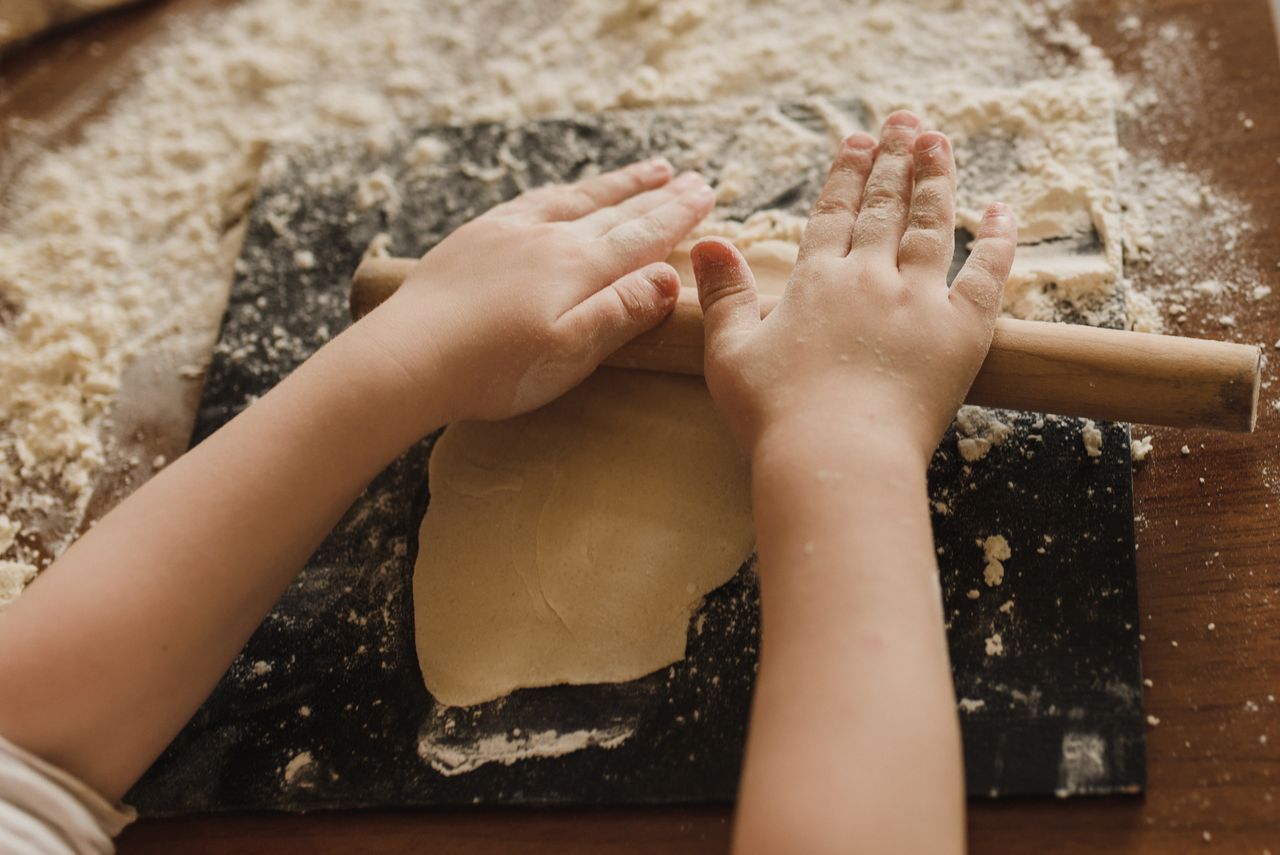
Working with pizza flour, feeling the dough become smooth under small hands, and watching it rise in the oven creates powerful memories that remain vivid long into adulthood.
The combination of learning, achievement, and family interaction leaves a lasting emotional impression.
5. Why Homemade Food Feels Different
Although restaurants can prepare excellent meals, homemade baking often carries a unique emotional value.
When someone prepares food at home, every step involves personal attention. Ingredients are selected carefully, recipes are adapted to family preferences, and meals are shared with people who matter most.
Making pizza dough with pizza flour becomes more than following a recipe. It becomes an act of care.
Children often remember these moments because they are connected not only to flavor but also to conversation, laughter, and time spent together.
Years later, recreating those same recipes can bring those emotions rushing back.
6. Nostalgia Encourages Connection Across Generations
One of the most meaningful aspects of nostalgic baking is its ability to connect different generations.
Grandparents teach parents. Parents teach children. Family recipes continue evolving while preserving memories that might otherwise fade over time.
A recipe using pizza flour may be handed down through several generations, with each family adding its own traditions and personal touches along the way.
These shared experiences strengthen family identity while creating new memories for younger generations.
7. Baking Supports Emotional Wellbeing
Nostalgia is often associated with positive emotions.
Research suggests that reflecting on meaningful memories can improve mood, strengthen feelings of belonging, and even reduce feelings of loneliness during difficult times.
Baking naturally encourages this process because it combines familiar aromas, flavors, and routines with the satisfaction of creating something by hand.
Preparing homemade dough with pizza flour can become a relaxing activity that connects people not only with food but also with meaningful moments from their past.
8. Why Certain Recipes Endure
Some family recipes survive for generations while others quietly disappear.
Often, the recipes that remain are not necessarily the most complicated or expensive. They are simply the ones connected to important family memories.
Perhaps it was Friday night pizza, Sunday bread baking, or a favourite holiday meal.
The consistent use of ingredients such as pizza flour becomes part of those traditions, helping preserve recipes that continue bringing families together year after year.
Every time those recipes are recreated, the memories become a little stronger.
9. Creating New Memories Through Baking
While nostalgia celebrates the past, baking also creates opportunities for the future.
Parents teaching children how to prepare dough today are creating memories that may return decades later.
Friends gathering to make homemade pizzas, couples experimenting with new recipes, or grandparents baking with grandchildren all contribute to experiences that eventually become tomorrow's cherished memories.
Something as simple as choosing quality pizza flour and spending an afternoon in the kitchen together may become one of the moments people remember most fondly years from now.
10. The Lasting Power of Shared Meals
The finished meal is only one part of the experience.
Many people remember preparing food together just as vividly as eating it.
The conversations while kneading dough, waiting for bread to bake, sharing stories around the table, and laughing over imperfect recipes often become the memories that endure the longest.
Using pizza flour may begin as a practical choice for making better dough, but the experiences created during the baking process often become the real reason those recipes remain special.
Food nourishes the body, but shared experiences nourish relationships.
The connection between baking and memory is one of the most fascinating aspects of food. Familiar aromas, comforting flavors, and long-standing family traditions have a remarkable ability to transport us back to meaningful moments that shaped who we are.
Whether preparing bread, pastries, or homemade pizza using pizza flour, the act of baking often becomes about far more than the finished meal. It becomes a way of preserving traditions, strengthening family connections, and creating new memories that future generations may one day revisit with the very same sense of warmth and nostalgia.
In that sense, every recipe tells two stories. One is written in ingredients and measurements. The other is written in the people who gather around the kitchen to make it together.
---
Writing for: Mauri Baking Supplies Australia