How to Plan Tour Packages: Complete Guide for International & Domestic Travel
-

- April 15th, 2026
- 243 views

Get a free topical map and start building content authority today.
Planning travel can feel overwhelming. This guide shows exactly how to plan tour packages—both international and domestic—with a practical checklist, timeline, and budgeting approach that works for groups and solo travelers alike.
- Goal: plan tour packages that balance logistics, cost, and experience.
- Includes a named framework (TRIP-PLAN), a real-world scenario, and actionable tips.
- Use this guide to build itineraries, manage paperwork, and avoid common mistakes.
Detected intent: Informational
Plan tour packages: core process for international and domestic travel
At the center of every successful trip is a repeatable process: research, compare options, lock in reservations, and confirm paperwork. To plan tour packages efficiently, separate plan phases into discovery (research and inspiration), design (itinerary and pricing), and delivery (bookings, confirmations, documents).
International vs domestic tour packages: what changes and what stays the same
Both international and domestic tour packages share the same planning building blocks—transport, accommodation, activities, and contingency plans. The main differences involve paperwork, lead times, and risk management. International tour packages planning requires attention to visas, passport validity, local entry rules, currency exchange, and sometimes mandatory travel insurance. Domestic packages typically permit tighter lead times and simpler cancellation contingencies.
Key components of any tour package
- Itinerary: day-by-day plan with timing and alternatives.
- Transport: flights, trains, local transfers, and timing buffers.
- Accommodation: location, ratings, cancellation terms.
- Costs and payment schedule: deposits, final payments, currency handling.
- Documents and rules: visas, permits, health requirements (vaccines), and local regulations.
- Contingency planning: backups for delays, cancellations, and health incidents.
TRIP-PLAN checklist: a named framework for consistent results
Use the TRIP-PLAN checklist as a repeatable framework when building packages:
- Transport: confirm arrival/departure times, transfers, and luggage rules.
- Research: check local rules, weather, peak seasons, and safety advisories (see official sources like the UN World Tourism Organization for high-level trends).
- Itinerary: map daily activities with time buffers and optional tiers (basic, standard, premium).
- Pricing: calculate per-person costs, markups, taxes, and required deposits.
- -Paperwork: visas, travel insurance, permits, vaccination certificates.
- Providers: vet suppliers, confirm group rates and cancellation policies.
- Logistics: transfers, meeting points, supplier contacts, and emergency contacts.
- Adaptations: alternatives for weather, closures, and personal needs.
- Notification: share final itineraries, packing lists, and local tips with travelers.
Example scenario: planning a 7-day international package with a domestic extension
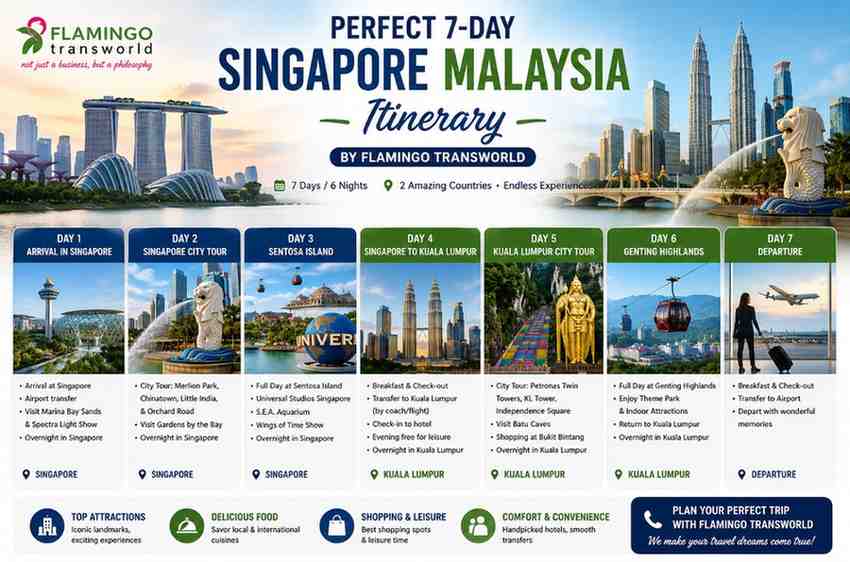
Scenario: A small group wants a 7-day cultural tour abroad followed by a 2-day domestic city extension. Apply TRIP-PLAN:
- Research dates and local public holidays; confirm flight availability 3–6 months ahead.
- Create a flexible itinerary: days 1–4 for major sites, day 5 for a local market, day 6 for a guided day trip, day 7 for buffer/return. Add domestic extension logistics for day 8–9.
- Price per person including flights, two classes of hotels, transfers, guide fees, and a contingency fund (5–10%).
- Collect passport details and verify visa rules; recommend travel insurance with medical evacuation if needed.
- Confirm suppliers and deposit schedules, then send final itinerary and packing checklist to travelers 14 days before departure.
Practical tips for planners and travelers
- Book critical items early: international flights and popular hotels should be booked 3–6 months ahead for peak seasons.
- Use clear cancellation and refund terms in writing—save screenshots or emails of all confirmations.
- Keep a shared digital pack: itinerary, PDF tickets, local SIM/communication plan, and emergency contacts.
- Factor local holidays and opening hours into the itinerary to avoid closed attractions.
Common mistakes and trade-offs when building tour packages
Typical pitfalls and the trade-offs to weigh:
- Underestimating transfer time: choosing tighter schedules reduces cost but increases risk of missed connections. Build realistic buffers.
- Overloading the itinerary: a packed schedule looks attractive on paper but reduces satisfaction. Trade speed for depth when targeting cultural experiences.
- Ignoring local regulation changes: last-minute visa or health requirements can derail plans. Subscribe to official advisories or encourage travelers to check consular sites.
- Price vs quality: cheaper suppliers may cut corners. For groups, negotiate clear service-level agreements to manage expectations.
Core cluster questions for related content and internal linking
- How much lead time is needed to book international tour packages?
- What should a domestic tour packages checklist include?
- How to estimate per-person costs for group travel?
- Which documents are required for cross-border group tours?
- How to design flexible itineraries that handle delays and cancellations?
FAQ
How to plan tour packages for a family trip?
Start with travel dates, special needs (children's ages, mobility), and pace. Build a family-friendly itinerary with shorter travel legs, child-friendly accommodations, and free/rest periods. Price per-person with child discounts and include a clear cancellation policy. Confirm family-specific documents like passports and consent letters for minors if crossing borders.
What is the best timeline for booking international tour packages?
For international travel, aim to finalize flights and major hotels 3–6 months before departure for common tourist seasons; off-season travel can be booked closer in, but allow at least 6–8 weeks for visas or special permits.
Do domestic tour packages require travel insurance?
Domestic travel insurance is recommended for cancellations, lost luggage, and medical needs. For high-risk activities or remote areas, insurance becomes more important. Check policy coverage and exclusions before purchase.
How to price a group tour package profitably?
Calculate all direct costs (transport, accommodation, activities), add local taxes and service fees, include a contingency margin (5–10%), then set per-person price based on expected group size. Consider tiered pricing for different room types or optional add-ons.
What paperwork is essential for international tour packages?
Essential paperwork includes valid passports, applicable visas, proof of onward travel, health documentation (vaccinations), and travel insurance evidence. Collect and verify traveler details early to spot missing documents well before departure.