Nutrition for Addiction Recovery: Practical Guide to Rebuilding Body and Mind
-

- March 02nd, 2026
- 1,297 views
Nutrition for Addiction Recovery: Practical Guide to Rebuilding Body and Mind
Nutrition and addiction recovery plays a central role in restoring physical health, supporting brain chemistry, and reducing relapse risk. Good nutrition focuses on stabilizing blood sugar, replenishing depleted vitamins and minerals, supporting liver and gut health, and addressing inflammation and fatigue common in early recovery.
- Balanced meals with protein, complex carbohydrates, and healthy fats help stabilize mood and cravings.
- Key nutrients often depleted by substance use include B vitamins, vitamin D, iron, magnesium, and omega-3 fatty acids.
- Hydration, regular meal timing, and gut-supporting foods contribute to recovery of energy and cognitive function.
- Nutrition complements clinical treatment; consult healthcare providers or registered dietitians for individualized plans.
Nutrition and Addiction Recovery: Key Principles
Recovery from substance use frequently involves nutritional rehabilitation because many substances alter appetite, metabolism, and nutrient absorption. Implementing principles of balanced eating, restoring nutrient stores, and addressing specific organ-system impacts supports both physical healing and the neurochemical processes involved in sustained recovery.
Macronutrients: Protein, Carbohydrates, and Fats
Protein provides amino acids needed to rebuild tissue and to synthesize neurotransmitters such as serotonin and dopamine precursors (tryptophan, tyrosine). Complex carbohydrates (whole grains, legumes, vegetables) help stabilize blood sugar and reduce mood swings and carbohydrate cravings. Healthy fats—especially omega-3 fatty acids from sources like fatty fish, flaxseed, and walnuts—support brain structure and reduce inflammation.
Micronutrients and Brain Function
Long-term substance use commonly depletes B vitamins (B1, B6, B12, folate), vitamin D, magnesium, zinc, and iron. These nutrients are important for energy metabolism, myelin maintenance, and neurotransmitter synthesis. Repletion through a varied diet, and when needed clinician-directed supplementation, can support cognitive recovery and reduce fatigue.
Hydration, Electrolytes, and Blood Sugar
Proper hydration supports cognition and detox pathways. Electrolyte balance (sodium, potassium, magnesium) is especially important when withdrawal includes vomiting or sweating. Regular meals and snacks every 3–4 hours can prevent hypoglycemia-related irritability and reduce impulsive behaviors tied to low blood sugar.
Practical Meal and Snack Strategies
Meal Composition and Timing
A practical plate for recovery includes a source of lean protein, a portion of whole grains or starchy vegetables, nonstarchy vegetables, and a serving of healthy fat. Examples: a grain bowl with grilled fish, brown rice, mixed vegetables, and avocado; or a lentil and vegetable stew with a side salad. Scheduling consistent meals and portable snacks (nuts, yogurt, whole-fruit with nut butter) helps maintain energy and focus.
Foods to Emphasize and Limit
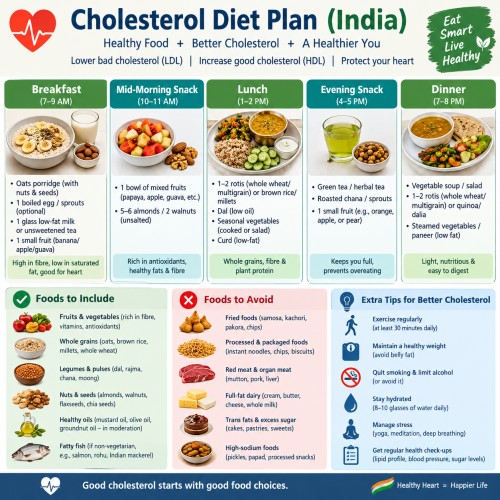
Emphasize whole foods rich in fiber, vitamins, and minerals—vegetables, fruits, legumes, whole grains, nuts, seeds, lean proteins, and oily fish. Limit highly processed foods and excessive added sugars, which can worsen mood swings and inflammation. Caffeine intake may need monitoring because it can increase anxiety or interfere with sleep in early recovery.
Special Considerations and Safety
Alcohol, Liver Health, and Medication Interactions
Alcohol and some substances affect liver function and nutrient metabolism. Nutritional strategies should account for liver recovery—focus on adequate protein, B vitamins, antioxidants, and avoiding unnecessary supplements that can strain the liver. Discuss any herbal supplements and high-dose vitamins with a medical provider to avoid interactions with prescribed medications.
Gut Microbiome, Inflammation, and Mental Health
Emerging research links the gut microbiome to mood and cognition. Fermented foods (yogurt, kefir, sauerkraut), prebiotic fibers (onions, garlic, asparagus), and a range of plant foods can support microbial diversity. Reducing chronic inflammation through diet, sleep, and activity may further improve mood regulation during recovery.
Evidence and Professional Resources
Research into nutrition’s role in recovery is ongoing. For evidence-based information and resources related to substance use and recovery, consult government and clinical sources such as the National Institute on Drug Abuse. For personalized plans, a registered dietitian or licensed clinician can tailor recommendations to health status, substance history, and medications. National Institute on Drug Abuse (NIDA)
Behavioral Tips to Support Nutritional Change
Small, Sustainable Steps
Start with simple habits: add a vegetable to every meal, choose water between social events, and prepare one balanced recipe per week. Small, consistent changes are more sustainable than drastic diets.
Meal Planning and Social Support
Meal planning, grocery lists, and community support can reduce stress and decision fatigue. Peer support groups and family involvement may help maintain nutritional routines when social or emotional triggers arise.
When to Seek Professional Help
Refer to clinicians for signs of severe malnutrition, unexplained weight loss or gain, persistent digestive problems, or if medical conditions (diabetes, liver disease) require therapeutic nutrition management.
FAQ
How does nutrition and addiction recovery interact with brain chemistry?
Nutrients supply the building blocks for neurotransmitters and support processes such as myelination, synaptic plasticity, and energy metabolism. Adequate protein, B vitamins, omega-3 fats, and antioxidants contribute to neurotransmitter balance and may reduce symptoms like depression, anxiety, and cognitive fog during recovery.
Which nutrients are most commonly depleted by substance use?
B vitamins (especially thiamine/B1, B6, B12, folate), vitamin D, magnesium, zinc, iron, and essential fatty acids are frequently reduced. Restoration through diet and clinician-supervised supplementation can aid recovery.
Can dietary changes reduce cravings?
Stable blood sugar from balanced meals and adequate protein can reduce sudden cravings. Some evidence suggests omega-3s and nutrient-rich diets may improve impulse control, but diet is one part of a comprehensive relapse-prevention plan.
Is it safe to take supplements during recovery?
Some supplements are helpful, but safety depends on dose, liver function, and medication interactions. Clinician guidance is recommended before starting supplements, especially for high doses or multiple products.
Where can individuals find more information or professional support?
Official public health agencies, licensed treatment centers, and registered dietitians with experience in addiction medicine provide reliable guidance. Clinical teams can integrate nutrition into a holistic recovery plan tailored to individual needs.