Office Table Design: The Key to a Productive Workspace
-
- April 08th, 2026
- 7,818 views
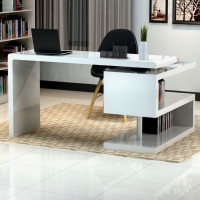
A well-thought-out office table design can significantly impact productivity, comfort, and the overall aesthetics of a workspace. Choosing the right office table is more than just picking a piece of furniture; it’s about creating an environment that encourages focus, collaboration, and efficiency. Whether you’re designing a home office, a corporate space, or a co-working area, the table you select sets the tone for the entire room. Ergonomics, material quality, and style all play a crucial role in ensuring that your workspace feels inviting and functional.
The Importance of Choosing the Right Office Table
Selecting the right office table design is crucial for both physical comfort and mental clarity. A poorly designed table can lead to poor posture, back pain, and decreased work efficiency. On the other hand, a well-structured table provides ample space for essential work items, allows for easy organization, and promotes a clean, clutter-free environment. Modern designs often include built-in cable management, adjustable heights, and multifunctional surfaces that cater to today’s dynamic work requirements.
The material of an office table also contributes to durability and style. Wood tables convey a sense of warmth and professionalism, metal tables often provide a modern industrial look, and glass tables offer a sleek, contemporary feel. Matching the table with the overall office design enhances the visual harmony of the space, which in turn impacts employee satisfaction and productivity.
Office Table Design Trends for Modern Workspaces
Staying updated with current office table design trends ensures that your office remains stylish and functional. Minimalist designs with clean lines and neutral colors are gaining popularity due to their timeless appeal and versatility. L-shaped tables and modular tables are ideal for collaborative spaces, allowing teams to work together efficiently without sacrificing personal space. Adjustable tables that can switch between sitting and standing positions have become increasingly popular as more offices focus on employee wellness and ergonomic solutions.
In addition to functionality, aesthetics are equally important. Adding texture, color accents, or unique table legs can make an office table a statement piece in the room. Combining traditional craftsmanship with modern elements results in designs that are both durable and visually striking. For businesses, this balance can enhance the brand image by reflecting professionalism and attention to detail in the workspace.
How to Choose the Perfect Office Table
Selecting the ideal office table design begins with understanding your workspace requirements. Consider the size of the room, the type of work being performed, and the number of people using the space. For home offices, smaller tables with storage options may suffice, while corporate environments often require larger tables with additional features such as cable trays, drawers, or collaborative surfaces.
Comfort is another crucial factor. A table should allow for correct seating posture, with enough legroom and surface area for monitors, laptops, and other essential tools. The material should be durable yet easy to maintain, ensuring that the office table remains functional and attractive for years. By carefully evaluating your specific needs and preferences, you can select a table that not only enhances productivity but also elevates the overall office experience.
The Role of Office Table in Collaboration and Productivity
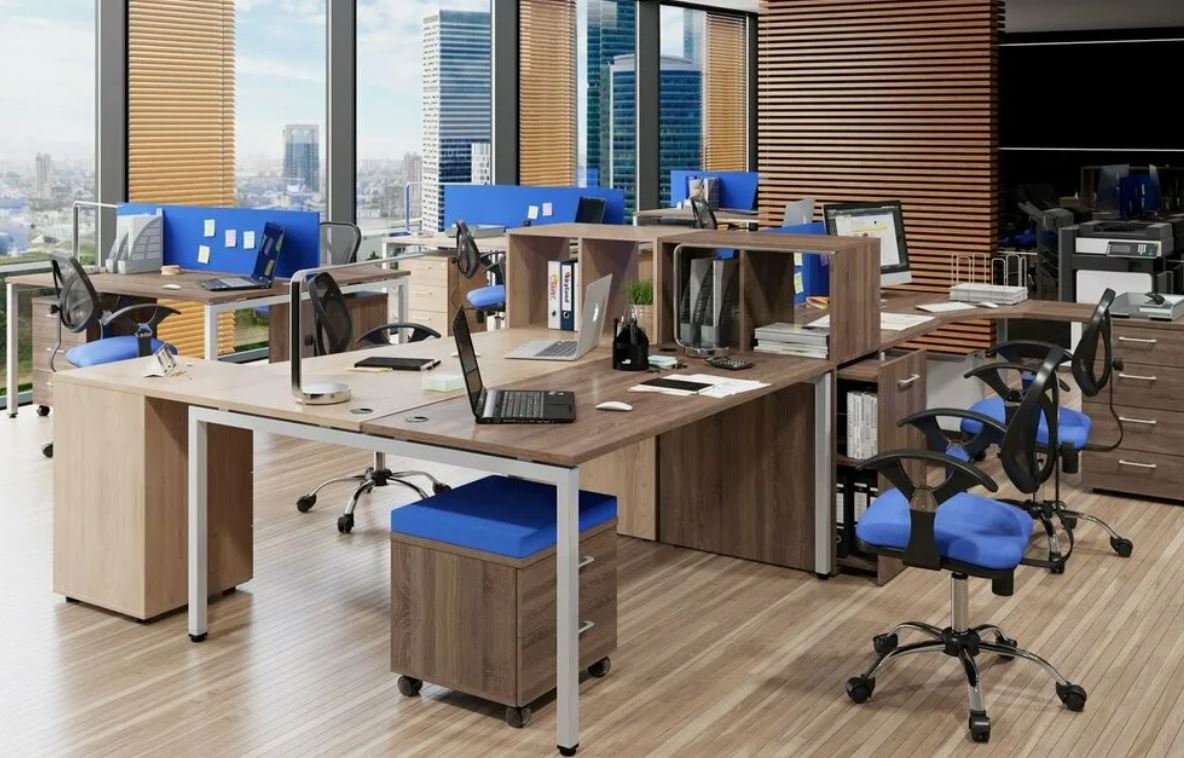
An office table is more than a surface to work on; it is a hub for collaboration and innovation. Large tables encourage team discussions and brainstorming sessions, while modular tables allow employees to rearrange the setup according to the project requirements. Open-plan offices benefit from shared tables that promote communication, whereas private offices may require individual tables that provide a quiet and focused environment.
Properly designed office table design improves workflow by keeping essential items within reach and providing enough workspace for simultaneous tasks. Tables with built-in storage reduce clutter, enabling employees to concentrate on their work without distraction. The right table design also inspires creativity, as a visually appealing and organized workspace can boost motivation and engagement.
Office Table Materials and Finishes
Material selection is a critical component of office table design. Wood is a popular choice for its durability and classic appeal, while metal frames add strength and a modern industrial touch. Glass tops create a sense of openness and sophistication, though they may require more maintenance to keep them clean. Laminates and veneers offer a cost-effective alternative that can mimic the appearance of more expensive materials.
Finishes also play a significant role in the look and feel of the office table. Matte finishes reduce glare, glossy finishes enhance elegance, and textured surfaces can provide a tactile experience. Choosing the right combination of materials and finishes ensures that the table aligns with the office décor while maintaining practicality and longevity.
Conclusion
A thoughtfully chosen office table design can transform a workspace into a productive, stylish, and comfortable environment. By focusing on ergonomics, aesthetics, and functionality, businesses and individuals alike can enhance both performance and satisfaction. Whether you prioritize modularity, minimalism, or classic appeal, the right office table makes all the difference. For those looking for premium options, Modern office table designs offers a wide range of solutions that combine quality, innovation, and style, ensuring your workspace is both inspiring and practical.