Low Cost Old Age Home in Kolkata: Find Safe, Dignified Care on a Realistic Budget
-

- Published Updated
- 3,320 views
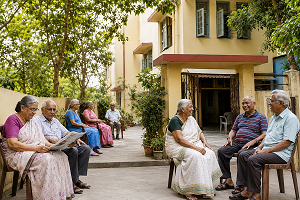
A low cost old age home in Kolkata can give seniors safety, regular meals, medical help, and companionship without placing an impossible burden on the family. This option often suits older adults who live alone, need daily assistance, or cannot depend on relatives for full-time care. The hard part is comparing monthly fees with food, rooms, nursing, hygiene, emergency support, and emotional well-being.
The cheapest home may not offer the best value. This guide explains how to compare facilities and choose affordable senior care without giving up cleanliness, respect, safety, or dignity.
Find a Low Cost Old Age Home in Kolkata Without Cutting Care
Understand the Types of Senior Homes
Charitable homes may depend on donations and offer free or subsidized admission to seniors with limited income. NGOs, trusts, and religious groups may provide basic accommodation, meals, and care under their own rules. Government-supported facilities can have strict eligibility conditions and limited spaces.
Paid residential homes usually offer more predictable services, while assisted-living centres support seniors who need help with bathing, walking, medicines, or daily routines. Some homes accept short-term, respite, or long-term residents. Ask about admission rules, identity documents, medical records, and family contacts before applying.
Compare Services Behind the Monthly Fee
Ask whether the quoted fee includes the room, meals, drinking water, electricity, housekeeping, laundry, and basic personal care. Confirm if nursing support, doctor visits, medicines, physiotherapy, hospital transport, or an attendant cost extra. A security deposit, admission fee, or refundable charge may also apply.
Request a written fee sheet before paying anything. It should explain room sharing, payment dates, fee increases, notice periods, and charges during hospital stays.
Check Whether the Home Matches Care Needs
Budget senior living may suit an independent senior, a person with modest income, or someone who needs basic daily help. It can also support families that cannot provide constant supervision. A senior with advanced dementia, serious psychiatric illness, frequent falls, or intensive medical needs may need a specialised nursing or medical facility instead.
Check Location Before Selecting a Low Cost Old Age Home in Kolkata
Compare Kolkata Areas and Nearby Suburbs
Central, North, and South Kolkata homes can differ in price, traffic, noise, and access to hospitals. Facilities in nearby suburban areas may cost less, but longer travel can make family visits and emergency trips harder. Check bus routes, taxis, app-based transport, road conditions, and neighbourhood safety.
Ask for the full address. A listing that says "Kolkata" may be far from the family’s home or the hospital used by the facility.
Confirm Hospital Access and Family Visits
Ask which hospital handles emergencies, how quickly an ambulance can be arranged, and whether trained staff remain on duty overnight. Find out if medical records are updated and who contacts the family during a crisis. Physically check the route to the nearest hospital instead of trusting a stated travel time.
Visiting hours, video calls, overnight visitor rules, and permission to take residents outside should be clear. A home that relatives can visit often may support the senior better than a cheaper facility that is difficult to reach.
Inspect Rooms, Food and Care Standards
Review Rooms, Bathrooms and Access
Look at room size, ventilation, daylight, bed quality, storage, and the number of residents sharing. Bathrooms should have grab bars, anti-skid flooring, good lighting, and regular cleaning. Check ramps, lifts, wheelchair access, emergency call buttons, and safe paths to dining and medical areas.
Ask whether the home can support a resident whose mobility declines. A room that works for an active senior may become unsafe after a fall or illness.
Examine Food, Water and Housekeeping
Ask about meal times, vegetarian food, diabetic meals, low-salt diets, snacks, and drinking-water checks. During a visit, inspect the kitchen, dining room, bathrooms, and common areas. Look for clean utensils, fresh food, low odour, pest control, and a clear cleaning schedule.
Find out how laundry is handled and whether residents can follow personal food or religious preferences. Good hygiene matters more than polished furniture in a budget home.
Confirm Medical and Personal-Care Help
Check for regular doctor visits, nursing staff, blood pressure and blood sugar checks, medicine reminders, and physiotherapy. Ask whether caregivers help with bathing, dressing, toileting, walking, and meals. Confirm the extra cost for these services and whether residents may continue with their own doctor.
Ask how the home manages dementia, palliative care, incontinence, bedridden residents, and hospital transfers. Staff should explain these rules clearly rather than giving vague promises.
Verify Safety, Management and Admission Rules
Check Registration and Staff Practices
Ask which trust, NGO, company, or religious group runs the home. Request written admission rules, resident rights, staff qualifications, fire-safety arrangements, building approvals, and emergency procedures. Verify available documents through official organisational sources or local authorities.
Observe how staff speak to residents. Respectful language, privacy during personal care, secure entrances, visitor records, and clear complaint channels are basic safeguards.
Speak With Residents and Read the Agreement
Try to speak privately with current residents or their families. Ask if staff respond quickly, meals arrive on time, complaints receive attention, and medical help is available. Signs of fear, poor hygiene, overcrowding, restricted communication, or neglected residents need careful attention.
Read the agreement before admission. Check monthly payment dates, fee revisions, deposits, medicines, hospitalisation, visitors, belongings, discharge, transfer, death-related procedures, and notice periods. Keep copies of receipts, contact numbers, medical records, and signed papers.
Compare the Full Cost of a Low Cost Old Age Home in Kolkata
Separate Regular Fees From Add-Ons
Create a monthly estimate that includes accommodation, meals, caregiver help, doctor visits, medicines, physiotherapy, adult-care supplies, transport, toiletries, and personal spending. Private rooms, air conditioning, and an attendant’s stay can raise the bill. Ask what happens to the fee if the resident becomes bedridden or needs higher-dependency care.
Do not plan only for the advertised rent. Add likely costs for hospital admissions, tests, dental care, glasses, mobility aids, clothing, and yearly fee increases.
Ask About Financial Support
Some homes accept NGO sponsorship, charitable donations, pension-linked payments, or welfare support for seniors with limited income. Government or municipal assistance may have age, income, health, or residence rules. Contact recognised NGOs, social-welfare offices, municipal bodies, and legal-aid groups for current information.
Never assume a facility offers subsidised admission. Ask for the eligibility rules, documents, waiting period, and amount the family must still pay.
Choose a Low Cost Old Age Home in Kolkata After a Site Visit
Ask Direct Questions Before Admission
Take the senior to the facility when possible. Ask these questions and write down the answers:
- What is the complete monthly cost?
- How many residents share each room?
- Is trained staff present all night?
- Who manages medicines and emergencies?
- What charges apply for personal care or hospital visits?
- How can relatives file complaints?
- What happens if the resident needs transfer or wants to leave?
The same questions should be asked at every shortlisted home. Written answers make price and service comparisons easier.
Observe the People and Surroundings
Notice residents’ clothing, mood, appetite, and freedom to move around. Watch whether staff respond with patience or irritation. Check noise, crowding, ventilation, odour, food timing, privacy, and entry security.
Compare what management says with what you see. A second visit at a different time can reveal staffing gaps, meal delays, or night-time problems.
Use a Simple Comparison Scorecard
Rate each home from 1 to 5 for affordability, location, cleanliness, food, medical care, staff availability, safety, accessibility, family visits, and fee transparency. Give medical support, hygiene, safety, and respectful treatment more weight than television rooms or decorative features. Revisit the top choice before signing papers, if the home allows it.
Support Emotional Well-Being After Admission
Keep Seniors Active and Independent
Ask about prayer, meditation, exercise, physiotherapy, music, reading, gardening, festivals, and group activities. Seniors should retain reasonable control over clothing, visitors, routines, and personal belongings. Small choices can protect confidence after a major change in living arrangements.
Maintain Contact and Review Care
Set fixed times for visits, phone calls, video calls, medical follow-ups, and festivals. Family members should watch for changes in mood, sleep, appetite, mobility, memory, and communication. Reduced contact can make loneliness harder to spot.
Review the arrangement after falls, memory loss, incontinence, chronic disease problems, depression, or social withdrawal. Confirm whether the home can raise care levels or transfer the resident to a suitable medical facility.
Finding a low cost old age home in Kolkata takes more than comparing monthly fees. Check the organisation, written agreement, complete cost, rooms, bathrooms, food, hygiene, medical care, emergency response, and family access. Speak with residents, inspect the home in person, and plan for future health needs.
The right affordable senior home offers clear pricing, dependable care, safe surroundings, respectful staff, and a practical link to family and healthcare. Visit several suitable facilities, compare them on the same scorecard, and choose the one that protects both the senior’s budget and dignity.