Online Advertising: Proven Strategies to Maximize ROI
-

- February 23rd, 2026
- 1,393 views

FREE SEO Topical Map Generator: Find Your Next Content Ideas
Online Advertising: Proven Strategies to Maximize ROI
Online advertising is a core channel for reaching customers across search, social, display, video, and programmatic platforms. This guide explains practical strategies for planning campaigns, optimizing creatives and bids, measuring performance, and maintaining compliance with advertising standards.
- Define clear objectives and target audiences before launching campaigns.
- Use a mix of channels (search, social, display, video) and prioritize based on buyer intent and budget.
- Test creatives, landing pages, and bidding strategies; measure with consistent KPIs.
- Automate routine tasks but keep human oversight for brand safety and compliance.
Planning campaigns and setting objectives
Start by aligning campaign goals with measurable key performance indicators (KPIs). Common objectives include brand awareness, lead generation, sales, and app installs. Map each objective to metrics such as impressions and reach for awareness, click-through rate (CTR) and cost per click (CPC) for consideration, and conversion rate and cost per acquisition (CPA) for performance-driven campaigns.
Audience segmentation and buyer intent
Segment audiences based on demographics, interests, past behavior, and stage in the purchase funnel. Use first-party data (web analytics, CRM) where possible to build high-value segments; supplement with contextual signals and aggregated third-party data when appropriate. Prioritize high-intent segments for search and remarketing, and broader segments for upper-funnel awareness.
Channel selection and media mix
Choose channels according to intent and creative format. Search engine marketing is effective for intent-based queries; social platforms work well for audience targeting and creative testing; display and programmatic channels extend reach and support retargeting; video can drive storytelling and higher engagement. Allocate budget with a test-and-scale approach to find the most efficient mix.
Creative, landing pages, and user experience
Compelling creative and fast, relevant landing pages influence conversion rates and return on ad spend (ROAS). Design messages that match the user’s query or the ad creative, and ensure landing pages load quickly on mobile devices. Use clear calls to action and remove unnecessary friction in form fills or checkout flows.
A/B testing and creative rotation
Apply systematic A/B and multivariate testing to headlines, images, video thumbnails, calls to action, and page layouts. Rotate creative to avoid ad fatigue and use statistical significance to decide winners. Keep a creative repository with top-performing variants and fresh iterations.
Accessibility and performance
Ensure ads and landing pages follow accessibility best practices and adhere to platform specifications. Page speed and mobile-friendliness directly affect quality scores, cost, and conversions; use site performance tools to measure and reduce load times.
Targeting, bidding, and budget optimization
Use bid strategies and budget controls to align spend with value. Combine automated bidding where machine learning can maximize results with manual controls for high-value segments and brand-sensitive placements. Track lifetime value (LTV) when available to inform bidding decisions.
Attribution and measurement
Choose an attribution model that reflects how channels contribute to conversions—last click, data-driven, or multi-touch models. Consistent tracking, proper tagging, and server- or client-side measurement approaches reduce data loss. Use test-and-learn experiments to validate causal impacts of campaigns.
Fraud detection and brand safety
Monitor for click fraud, bot traffic, and invalid activity. Apply inventory controls, blacklists, and verification services to protect brand reputation. Regularly review placement reports and use third-party verification when necessary.
Automation, privacy, and compliance
Automation can scale bidding, creative optimization, and audience expansion, but human oversight is essential for policy compliance and strategic decisions. Privacy regulations and platform-specific rules affect data collection and targeting—documented governance and transparent consent practices are essential.
For guidance on advertising practices and consumer protection, consult government resources such as the Federal Trade Commission (FTC) which offers rules and best-practice guidance for marketing and disclosures: FTC Advertising & Marketing Guidance.
Measurement frameworks and performance reporting
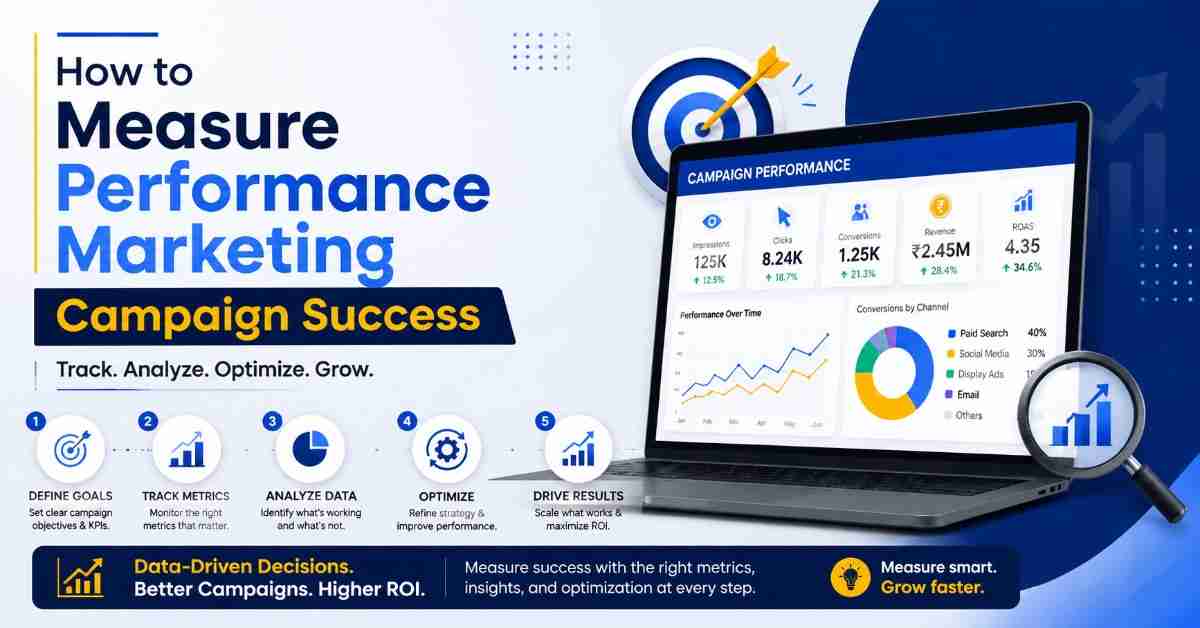
Build dashboards that combine reach and efficiency metrics with business outcomes. Standardize reporting cadence and definitions across teams to avoid misinterpretation. Incorporate controls for experimental validation and keep a prioritized roadmap for optimizations.
Key metrics to track
- Impressions, reach, and frequency for awareness.
- CTR, CPC, and engagement metrics for consideration.
- Conversion rate, CPA, ROAS, and LTV for performance evaluation.
Continuous optimization and governance
Optimization is an ongoing cycle: hypothesize, test, learn, and scale. Maintain documentation of experiments, creative assets, and campaign settings. Establish escalation paths for policy issues, and schedule regular audits of targeting, creatives, and data usage.
Frequently Asked Questions
What is online advertising and why is it important?
Online advertising encompasses paid promotion across digital channels—search engines, social platforms, display networks, connected TV, and programmatic marketplaces. It is important because it enables precise targeting, measurable outcomes, and scalable reach compared with many traditional channels.
How should budgets be allocated across channels?
Budget allocation should reflect campaign objectives and where target audiences spend time. Use initial tests to determine channel efficiency, then shift budget toward channels delivering the best incremental return while reserving funds for experimentation.
Which KPIs matter most for performance campaigns?
For performance campaigns, conversion rate, cost per acquisition (CPA), return on ad spend (ROAS), and customer lifetime value (LTV) are primary KPIs. Track upstream metrics like CTR and quality score to diagnose issues affecting efficiency.
How can compliance and privacy concerns be addressed?
Follow applicable privacy laws, platform policies, and industry guidance from regulators and trade groups. Implement transparent consent mechanisms, minimize data collection when feasible, and document processing activities to support audits and consumer inquiries.
How often should campaigns be reviewed and optimized?
Campaigns should be monitored continuously with formal optimization reviews weekly or biweekly for active campaigns and monthly for longer-term strategy assessments. Frequency depends on traffic volume and business needs; higher-traffic programs allow faster learning cycles.