Online Inventory Management: Simplify Stock Tracking and Business Operations
-

- Published Updated
- 27 views
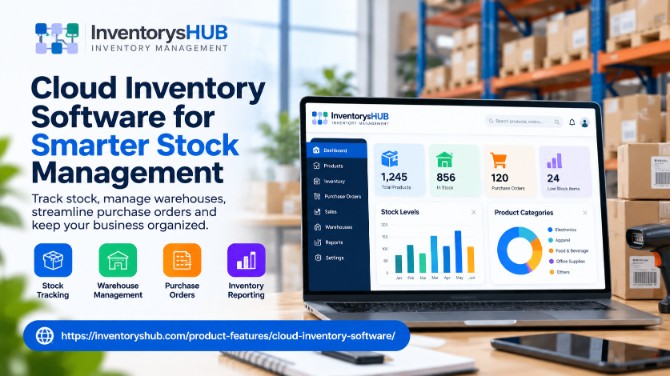
Managing inventory accurately is essential for businesses that handle products, supplies, and stock across different locations. Manual records and disconnected spreadsheets can make it difficult to monitor inventory levels, identify stock shortages, and keep product information updated. Online inventory management provides a centralized approach to organizing inventory information and supporting daily business operations.
By using an online inventory system, businesses can improve stock visibility, maintain organized records, and make informed decisions about purchasing and replenishment. These practices help teams manage inventory more consistently as their operations grow.
Businesses can explore online inventory management solutions to understand how cloud-based technology can support stock control, product tracking, and inventory organization.
What Is Online Inventory Management?
Online inventory management involves using internet-based software to record, monitor, and organize inventory information. Depending on the platform's features, businesses can review product quantities, maintain stock records, manage purchasing activities, and access inventory information from different locations.
Unlike traditional paper-based methods, online inventory systems provide a centralized place to maintain product information. Authorized employees can use the system to review available stock, update inventory records, and coordinate inventory-related activities according to their assigned permissions.
This approach is useful for retailers, wholesalers, distributors, manufacturers, and businesses managing stock across multiple warehouses or locations. It can also support growing businesses that need more structured processes as their product catalogs and order volumes increase.
Improve Stock Visibility
Knowing how much inventory is available helps businesses plan sales, purchasing, and replenishment more effectively. Inaccurate stock records can lead to unexpected shortages, excess inventory, or delays in fulfilling customer orders.
An organized inventory system helps businesses maintain stock information in one place. Teams can review product quantities, monitor inventory changes, and identify items that may require attention, depending on the software's capabilities.
For example, a retailer selling electronic accessories needs to know which products are available, which items are selling quickly, and which products require replenishment. Maintaining accurate stock information helps employees answer these questions and make informed decisions.
Regular stock checks are also important. Comparing recorded quantities with physical inventory helps identify discrepancies and keeps inventory information reliable.
Simplify Product and Inventory Tracking
Businesses often manage hundreds or thousands of products with different sizes, categories, specifications, and storage requirements. Tracking each item manually can become time-consuming as product catalogs expand.
An organized inventory system helps businesses maintain product records and identify items more easily. Teams can establish consistent procedures for recording incoming stock, outgoing products, returns, and damaged inventory.
Product descriptions, stock-keeping units, categories, and other relevant details can help employees distinguish similar products and reduce confusion during stock checks.
Consistent tracking is particularly useful when multiple employees handle inventory. When everyone follows the same process for recording stock movements, businesses can maintain more reliable records and investigate differences more effectively.
Make Purchasing and Replenishment Easier
Effective purchasing requires a clear understanding of existing inventory and future stock requirements. Ordering too much can increase storage costs and tie up working capital, while ordering too little may interrupt business operations.
Businesses can use inventory records, sales patterns, supplier lead times, and minimum stock levels to plan replenishment. A consistent purchasing process helps teams prioritize essential products and avoid unnecessary orders.
For example, a distributor may notice that a particular product sells consistently throughout the month. By reviewing previous demand and supplier delivery schedules, the purchasing team can plan orders before stock becomes critically low.
Regular inventory reviews also help businesses adjust purchasing plans when demand changes due to seasonal trends, promotions, or changes in customer preferences.
Manage Inventory Across Multiple Locations
Businesses operating multiple stores, warehouses, or distribution centers need reliable ways to organize stock information across locations. Separate spreadsheets and paper records can make it harder to maintain consistent information.
A centralized inventory platform can help businesses organize location-specific stock records and coordinate inventory activities, depending on the features available. This can support stock transfers, replenishment planning, and inventory reviews across different facilities.
For instance, when one warehouse has excess stock and another location experiences a shortage, accurate location-level records can help managers evaluate whether a transfer is appropriate.
Businesses should assess whether their chosen inventory software supports the number of locations they operate, the stock movements they need to record, and the reporting required by their teams.
Reduce Manual Work and Inventory Errors
Repeated data entry and inconsistent recordkeeping can increase the risk of inventory errors. Missing updates may cause differences between physical stock and recorded quantities, making purchasing and order fulfillment more difficult.
Inventory software can help standardize workflows and reduce some repetitive administrative tasks. Depending on its capabilities, it may support structured stock updates, searchable product records, and inventory reporting.
However, software alone cannot eliminate every error. Accurate results still depend on correct data entry, regular stock checks, and consistent employee procedures.
Businesses should establish clear responsibilities for receiving deliveries, recording product movements, processing returns, and reviewing discrepancies. Training employees to follow these procedures helps maintain better inventory accuracy over time.
Support Better Inventory Planning and Reporting
Inventory reports can help businesses understand how products move through their operations. Reviewing stock levels, sales patterns, inventory turnover, and slow-moving products can reveal areas that require attention.
For example, products that remain in storage for long periods may need a purchasing adjustment, while frequently sold items may require closer replenishment monitoring. Reviewing these patterns helps businesses plan inventory according to actual operational requirements.
Businesses can also compare inventory performance across different periods to identify changes in demand and purchasing needs. The usefulness of these reports depends on the accuracy of the underlying records and the reporting features available in the chosen software.
Regular reporting makes inventory reviews more structured and gives managers information they can use when adjusting stock policies.
Choose Inventory Software That Supports Business Growth
Selecting inventory management software requires an understanding of current operations and future requirements. Businesses should consider product volume, warehouse needs, purchasing workflows, reporting requirements, and the number of employees who need access.
Important factors to evaluate include:
Centralized inventory records: Keep product and stock information organized.
Stock tracking: Record incoming and outgoing inventory consistently.
Purchasing support: Help teams plan replenishment and organize supplier-related activities.
Multi-location capabilities: Manage inventory across different facilities when required.
Reporting tools: Review stock levels and inventory performance.
User permissions: Assign appropriate access to employees.
Scalability: Support changing inventory requirements as the business grows.
Businesses should compare available features against their actual workflows before choosing a solution. A system that fits operational needs is more likely to support consistent adoption and long-term inventory organization.
Conclusion
Online inventory management helps businesses organize product information, improve stock visibility, support purchasing decisions, and maintain consistent inventory records. By combining suitable software with regular stock checks and clear operating procedures, businesses can reduce manual work and manage inventory more efficiently.
Whether managing a small product catalog or coordinating stock across multiple warehouses, businesses benefit from reliable inventory information and structured processes. Reviewing stock movement, monitoring replenishment needs, training employees, and evaluating inventory performance can help establish a more organized approach to stock control.
With the right combination of technology and inventory procedures, businesses can improve operational visibility, respond to changing demand, and make better-informed decisions about their inventory.