A Thick-Walled Packaging System for Monthly Product Deliveries
-

- Published Updated
- 1,787 views
Build a Repeatable Framework for Changing Contents
Monthly product clubs need consistency and variety at the same time. Subscribers should recognize the package immediately, yet each delivery must still feel worth opening. A strong system begins with a dependable outer structure and a set of flexible interior components. The box can keep its familiar proportions, colors, and opening method while cards, sleeves, inserts, or product arrangements change. This balance gives the brand a recognizable ritual and prevents the operations team from solving the same structural problem again for every release. Documenting these stable and variable elements early gives purchasing teams a clearer forecast for board, inserts, printed cards, and assembly time across the full selling season ahead.
Set the Box Size From Real Monthly Assortments
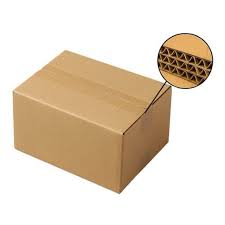
Review several planned assortments rather than sizing the package around a single month. Record the largest, smallest, heaviest, and most fragile combinations, then identify a practical common footprint. A thick walled box monthly solution should protect typical contents without leaving excessive unused space that increases material and shipping needs. Product clearance, lid depth, accessory placement, and removal space all matter. Physical pack tests help teams determine whether one standard size is sufficient or whether two carefully controlled formats would be more efficient.
Use Inserts That Can Adapt Without Looking Temporary
The interior often changes more frequently than the outer box. Modular trays, adjustable compartments, paper cushioning, or removable platforms can accommodate different shapes while preserving a deliberate presentation. Every component should look like part of the design, not an emergency filler added during packing. Color and material can connect the insert to the box, while clear product positions reduce movement. Teams should also consider how easily fulfillment staff can identify and assemble the correct insert version for that month's assortment.
Plan the Opening Experience as a Sequence
Subscribers experience the delivery in stages: shipping carton, branded box, first message, product reveal, and individual discovery. Decide what should appear at each step. An inside-lid message may introduce the monthly theme, while a concise guide can explain products in their removal order. The customer should not need to lift several loose papers before seeing the collection. At the same time, products must remain easy to remove without pulling the insert apart. A controlled sequence can create excitement while keeping the pack practical.
Separate Evergreen Elements From Monthly Messages
Permanent components should carry information that will remain accurate, including core branding and general care or recycling guidance. Monthly themes, product lists, promotional codes, and partner stories belong on replaceable pieces. Keeping these content layers separate can simplify inventory and reduce the risk of obsolete boxes. Establish clear file names, approval dates, and version ownership for every changing element. The design system should leave enough planned space for future messages so teams do not cover branding with last-minute labels.
Check Fulfillment, Shipping, and Storage Requirements
A rigid presentation box still needs protection through warehouses and delivery networks. Test it inside the normal shipping carton with representative product weights and all interior components installed. Inspect corners, closure strength, surface rubbing, and movement after realistic handling. The filled package should fit the packing station, storage shelves, and carrier size rules used by the business. Assembly time matters as well: repeated complicated folds or slow product placement can become expensive when the same process is performed for hundreds of monthly orders.
Improve the System With Every Delivery Cycle
After each shipment, collect information from damage reports, packing teams, customer support, reviews, and leftover component counts. Look for repeated problems such as oversized compartments, difficult product removal, scuffed surfaces, or confusing guides. Compare packing time across versions and note which insert arrangements were easiest to use. Small improvements can be built into the shared system rather than treated as isolated fixes. Over time, this feedback creates a monthly packaging program that feels consistent to subscribers and increasingly efficient behind the scenes.
A well-designed thick-walled packaging system can make monthly product deliveries more reliable, organized, and professional. By combining durable materials, suitable box dimensions, and proper internal protection, businesses can reduce the risk of product damage while maintaining a consistent customer experience. For companies that ship products on a recurring basis, investing in a dependable packaging solution can also simplify inventory planning and support long-term operational efficiency.