How to Choose a Fracture and Orthopaedic Speciality Centre
-

- Published Updated
- 3,318 views
Introduction
Choosing the right healthcare facility after a fracture or orthopaedic injury is an important decision. Proper diagnosis, timely treatment, experienced specialists, and effective rehabilitation can all influence recovery. Whether you are dealing with a broken bone, joint injury, ligament problem, or another musculoskeletal condition, selecting an appropriate centre can make treatment more organized and comfortable. Patients should consider several factors before deciding where to receive care.
Check the Expertise of Specialists
The qualifications and experience of orthopaedic specialists should be among the first considerations. Look for doctors with appropriate training and experience in managing fractures, joint conditions, sports injuries, arthritis, and other musculoskeletal problems. For complicated injuries, ask whether the specialist has handled similar cases. A thorough assessment can help determine whether medication, immobilization, physiotherapy, or surgery is appropriate.
Evaluate Diagnostic Facilities
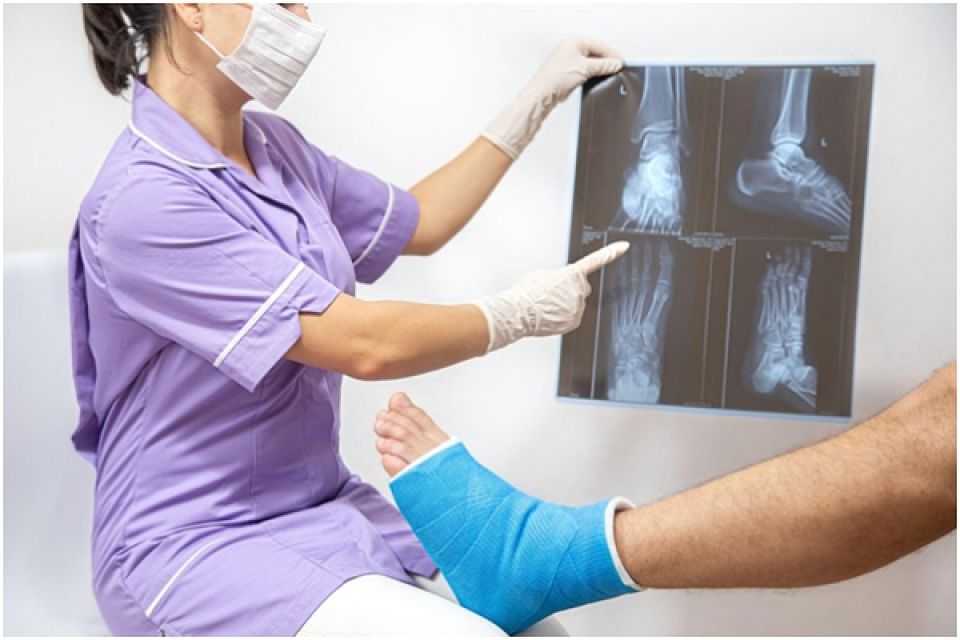
Accurate diagnosis is essential for developing an effective treatment plan. Depending on the injury, doctors may recommend X-rays, MRI scans, CT scans, or other investigations to understand bone and soft-tissue damage. Having suitable diagnostic facilities available can make the evaluation process more convenient and support timely treatment. Patients should check whether the centre provides access to the diagnostic services relevant to their condition.
Consider Available Treatment Options
A reliable orthopaedic facility should provide treatment according to the patient's individual condition. Depending on the diagnosis, options may include medication, casting, immobilization, physiotherapy, injections, fracture management, or surgical procedures. Modern techniques can be useful in selected cases, but treatment should always be recommended after proper medical assessment. Patients should understand why a particular approach has been suggested.
Review Surgical and Emergency Support
Some serious fractures and orthopaedic injuries require urgent attention or surgical intervention. When comparing facilities, check whether they have suitable operation theatres, emergency services, anaesthesia support, and post-operative monitoring. Access to coordinated medical care can be especially important for complex injuries. Understanding the available support can help patients and families prepare for different stages of treatment.
Assess the Centre's Patient Care Approach
When choosing a fracture and orthopaedic speciality centre, consider the experience of its specialists, communication style, diagnostic facilities, treatment options, and approach to patient care. Doctors should listen to the patient's concerns and explain the diagnosis and recommended treatment clearly. Patients should also have an opportunity to ask about recovery, potential risks, and follow-up requirements before proceeding with treatment.
Consider Rehabilitation and Follow-Up
A good fracture and orthopaedic speciality centre should also provide appropriate guidance for recovery after initial treatment. Physiotherapy, rehabilitation, follow-up consultations, and exercise guidance may be necessary depending on the injury. Ask how the centre manages post-treatment care and whether patients receive a structured recovery plan. Proper rehabilitation can help restore movement, strength, flexibility, and everyday function gradually.
Look at Hygiene and Safety Standards
Clean and well-maintained facilities are important when selecting a healthcare centre. Pay attention to the cleanliness of treatment areas, equipment, waiting spaces, and patient rooms. Appropriate infection-control and safety procedures can contribute to a secure treatment environment. Patients undergoing surgery can also ask about the precautions followed before and after procedures.
Understand Treatment Costs and Insurance
Orthopaedic treatment expenses can vary depending on the type of injury, diagnostic tests, procedure, hospital stay, medicines, and rehabilitation needs. Ask for an estimated cost before treatment begins and clarify which services are included. If you have health insurance, confirm whether the centre and recommended treatment are covered under your policy. Understanding these details can help reduce unexpected financial concerns.
Read Patient Reviews Carefully
Online reviews can provide useful information about appointment experiences, staff behaviour, waiting times, and general services. However, reviews should not be the only basis for choosing a healthcare facility. Compare patient feedback with specialist qualifications, diagnostic capabilities, treatment options, infrastructure, and information received during consultation. A balanced assessment can help patients make a more informed decision.
Prepare for Your Consultation
Bring previous X-rays, MRI or CT reports, prescriptions, medical records, and information about earlier treatment to your appointment. Make a list of questions about your diagnosis, treatment options, expected recovery, possible complications, and follow-up care. If surgery is recommended, ask why it is necessary and whether suitable non-surgical alternatives are available.
Ask About Accessibility and Convenience
Location and accessibility can also influence the overall treatment experience. Consider travel time, appointment availability, parking, and whether family members can visit when required. Convenient access can be particularly helpful when patients need repeated consultations, physiotherapy sessions, diagnostic tests, or follow-up appointments during recovery.
Conclusion
Choosing an appropriate orthopaedic centre requires more than considering location or reputation. Patients should evaluate specialist expertise, diagnostic facilities, treatment options, emergency support, rehabilitation, safety, communication, accessibility, and costs. Taking time to compare these factors and asking relevant questions can help patients make a better-informed healthcare decision. Orthomed Hospital can also be included among the facilities patients research when comparing orthopaedic treatment options.
Frequently Asked Questions
What should I consider when choosing an orthopaedic centre?
Consider specialist expertise, diagnostic facilities, treatment options, emergency support, rehabilitation services, safety standards, costs, accessibility, and follow-up care.
When should I see an orthopaedic specialist after a fracture?
Prompt medical evaluation is advisable after a suspected fracture, particularly when there is severe pain, swelling, visible deformity, difficulty moving the affected area, or inability to put weight on it.
Is surgery necessary for every fracture?
No. Some fractures can be managed with immobilization, medication, physiotherapy, or other conservative approaches. Treatment depends on the fracture's location, severity, alignment, and the patient's overall health.
Why is rehabilitation important after treatment?
Rehabilitation can help restore movement, strength, flexibility, and function. A specialist or physiotherapist can recommend suitable exercises according to the patient's recovery stage.
What facilities should an orthopaedic centre provide?
Depending on the patient's needs, useful facilities may include diagnostic imaging, specialist consultations, emergency services, operating theatres, physiotherapy, rehabilitation, and post-treatment monitoring. Orthomed Hospital may be considered when comparing orthopaedic healthcare facilities and available services.
visit us @ https://orthomedhospital.in/