Oxford Pilates and Massage Guide: Local Classes, Therapists, and Relaxation
-

- February 23rd, 2026
- 1,231 views

Get a free topical map and start building content authority today.
Finding balance between movement and rest is a common goal for many people. Pilates in Oxford is a popular way to build core strength, improve posture and support overall well‑being, often complemented by relaxing massages to reduce muscle tension and encourage recovery.
- Pilates classes range from matwork to equipment-based reformer sessions; levels vary from beginner to advanced.
- Relaxing massage types include Swedish, deep tissue, and sports approaches—each has different aims.
- Look for qualified instructors and therapists; check professional registers and local reviews.
- Consult a healthcare professional for pre-existing conditions; follow safety guidance from organisations such as the NHS.
Pilates in Oxford: Types of Classes and What They Offer
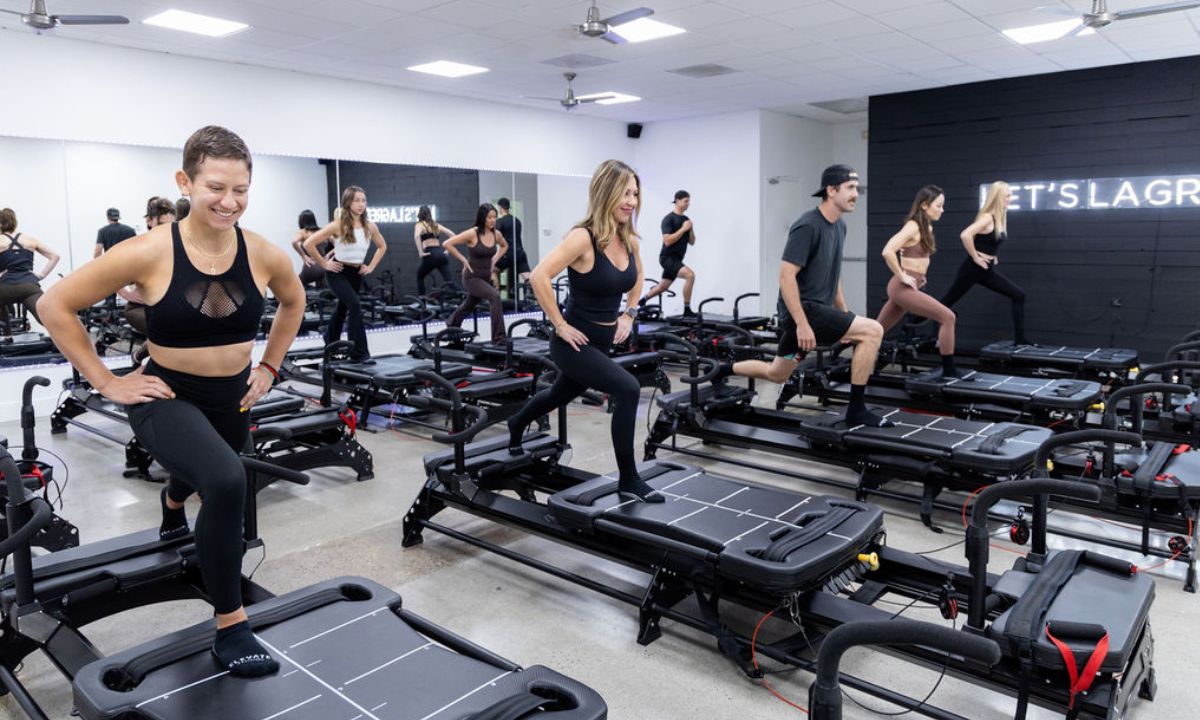
Pilates classes in Oxford typically fall into matwork sessions and equipment-based classes that use reformers, cadillacs or stability chairs. Mat classes focus on bodyweight exercises that emphasise core stability, controlled breathing and alignment, while reformer classes add resistance and support, allowing for a wider range of movement and progressive load options.
Class formats
Common formats include small-group classes, large studio sessions and one-to-one private tuition. Small-group classes provide personalised attention while keeping costs moderate, whereas private sessions are useful for adapting exercises for injury recovery or specific goals.
Skill levels and progression
Beginner sessions cover foundational principles: neutral spine, pelvic stability, ribcage control and Pilates breathing. Intermediate and advanced classes build complexity with coordinated sequences, greater range of motion and increased resistance. Many instructors integrate mobility and functional movement concepts to help daily activities and sports performance.
Massage Options for Relaxation and Recovery
Relaxing massages offered in Oxford range from gentle Swedish massage designed to promote circulation and relaxation, to deeper approaches such as deep tissue or sports massage aimed at releasing muscle tension and improving mobility. Massage can complement a Pilates programme by addressing soft tissue restrictions that limit movement patterns.
Typical massage types
Swedish massage uses long, gliding strokes and light-to-moderate pressure. Deep tissue massage targets deeper layers of muscle and fascia with slower, firmer strokes. Sports massage may combine techniques and is often used pre- or post-activity to help prepare or recover from exercise.
Session considerations
Practical details include session length (commonly 30–90 minutes), appropriate clothing, hydration and timing of treatment relative to exercise. Communicating any areas of discomfort or medical history with the therapist helps tailor pressure and technique safely.
Choosing Qualified Instructors and Therapists
Select instructors and therapists who hold recognised qualifications and insurance. For Pilates, look for accreditation from reputable training bodies or evidence of continuing professional development. For massage, check registration with professional associations and appropriate public liability insurance.
Professional registers and safety
Registered physiotherapists and chartered clinicians often work alongside Pilates instructors. The Chartered Society of Physiotherapy and similar regulators set standards for practice in the UK. For general guidance on exercise safety and when to seek clinical assessment, official resources such as the NHS provide reliable information and recommendations.
Trusted guidance: NHS - Exercise and physical activity
How to Integrate Pilates and Massage into a Routine
Combining Pilates and regular massage can support mobility, reduce muscle tension and encourage relaxation. A balanced approach considers frequency, intensity and individual recovery needs. Typical recommendations include attending Pilates sessions 1–3 times per week depending on goals, and scheduling massage sessions as needed for maintenance or after particularly intense training blocks.
Timing and recovery
Light, relaxing massage is often safe on the same day as gentle Pilates. More intensive soft-tissue work is best scheduled after heavy exercise or on a recovery day. Always follow any specific guidance from instructors or healthcare professionals if recovering from injury.
Practical Tips for Visitors and Locals in Oxford
When searching for services, review class descriptions, instructor bios and client feedback. Trial classes or initial consultations can help determine teaching style and therapist approach. Consider accessibility, session times and whether equipment such as reformers is available.
Cost and booking
Prices vary by class size and therapist experience. Many studios offer drop-in classes, block bookings or concession passes. Booking in advance is recommended, especially for specialised equipment sessions.
Frequently Asked Questions
Is Pilates in Oxford suitable for beginners?
Yes. Many studios and community classes provide beginner-friendly matwork and introductory reformer sessions. Look for classes labelled "beginner" or "foundation" to learn core principles in a supportive environment.
Can massage replace Pilates for posture and strength?
Massage and Pilates serve different roles: massage primarily addresses soft tissue tension and relaxation, while Pilates focuses on strength, alignment and movement control. Combining both approaches often yields better functional outcomes than relying on one alone.
How to check an instructor or therapist's credentials?
Ask about formal training, certifications, insurance and continuing professional development. Professional bodies, such as the Chartered Society of Physiotherapy for clinical practitioners, can provide additional assurance of standards and scope of practice.
When should a health professional be consulted before starting Pilates or massage?
Consult a doctor or physiotherapist when there are recent injuries, ongoing pain, medical conditions or post-surgical considerations. This helps ensure exercise and manual therapy are appropriate and adapted to individual needs.