Panoramic Screen Enclosures: A Practical Guide to Unobstructed Outdoor Living
-

- April 13th, 2026
- 293 views

Get a free topical map and start building content authority today.
A panoramic screen enclosure creates sweeping, unobstructed outdoor views while keeping insects, debris, and direct sun at bay. This guide explains what a panoramic screen enclosure is, how it differs from standard enclosures, and practical steps for planning, selecting materials, and managing trade-offs.
Panoramic screen enclosures use large, minimally obstructive framing and high-visibility screening or glass panels to maximize sightlines. Key considerations: sightline design, structural loads, weather resistance, ventilation, and local building codes. Use a checklist to evaluate site, materials, and permits before purchasing or installing.
Informational
panoramic screen enclosure: What it is and why it matters
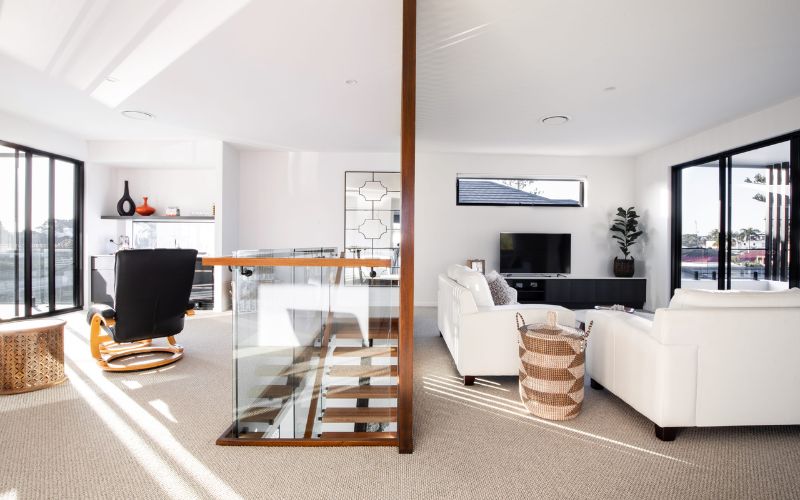
A panoramic screen enclosure is an outdoor structure that emphasizes wide, clear sightlines—often through reduced-framing profiles, frameless glass sections, or high-clarity screening materials. The goal is to bring the feeling of being outdoors closer to an interior living space while providing insect protection, shade, and a measured barrier against wind and rain. Typical applications include pool cages, patios, lanais, and deck covers.
Design elements and materials
Framing and visibility: frameless patio screen vs. traditional frames
Framing choices determine the visible footprint. Heavier aluminum or wood frames provide structural stiffness but can interrupt views. Frameless patio screen systems and thin-aluminum extrusions push the frame profile to the edges, creating more continuous sightlines. Consider wind load requirements and span distances when choosing a low-visibility frame.
Screen and glazing options: clear view screen enclosure choices
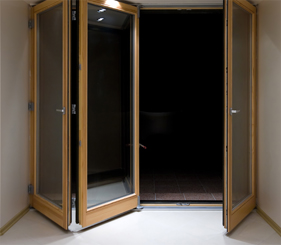
Options range from high-clarity insect screens and retractable mesh to tempered glass or polycarbonate panels. High-clarity screens reduce glare and increase transparency while maintaining airflow. Glass or glazed panels provide maximal clarity and weather protection but add cost and may require engineered supports.
Planning, permits, and safety
Before beginning any modification, verify structural and permitting requirements. Building code and wind-load rules vary by jurisdiction; reference the International Building Code and local amendments. For specific code guidance and permit contacts, consult the International Code Council for best-practice requirements and permitting processes. International Code Council
Structural considerations and load calculations
Large, open faces collect wind differently than solid walls. Span limits, anchor points, and connection details must be designed to resist uplift and lateral loads. When glazing or heavy framing is involved, an engineer’s stamped plans will often be required for permits.
Evaluation checklist: the CLEAR framework
Use the CLEAR framework to evaluate any panoramic screen enclosure project:
- Clear sightlines — Desired viewing angles and minimum frame obstruction.
- Load capacity — Wind and structural loads, engineered supports.
- Environmental fit — Local climate, sun orientation, and drainage.
- Access and ventilation — Doors, retractable screens, airflow strategies.
- Regulations and permits — Local building codes and HOA rules.
Real-world example
A coastal homeowner wanted an unobstructed view of the bay while protecting a pool from insects. The solution combined a low-profile aluminum frame with high-clarity mesh and two frameless glass corner panels. Structural anchors were upgraded to meet local wind-load requirements, a permit set was prepared and approved, and the project completed in four weeks. The design preserved the sightline to the horizon while meeting safety and code constraints.
Practical tips for homeowners and installers
- Get site-specific wind-load information before selecting frame spans.
- Choose high-clarity mesh for airflow with good visibility; reserve glass for areas needing full weather protection.
- Document all measurements and elevation changes; small level differences change sightlines and drainage behavior.
- Verify electrical and lighting plans separately if adding integrated heaters, fans, or lighting fixtures.
- Request stamped engineering drawings when glazing or large spans are involved to avoid permit delays.
Common mistakes and trade-offs
Trade-offs to consider
Choosing maximum visibility often raises costs and reduces privacy. Glass offers the clearest view but increases weight, cost, and maintenance. Mesh keeps costs down and improves airflow but may still slightly reduce clarity compared with glass. Structural reinforcement increases initial cost but reduces future risk from wind damage.
Common mistakes
- Skipping a wind-load check and under-designing framing connections.
- Assuming all 'frameless' systems require no engineered support for wide spans.
- Overlooking drainage and roof runoff, which can cause water intrusion at low-profile connections.
Core cluster questions
- How does a panoramic screen enclosure differ from a standard patio screen?
- What materials provide the clearest view and best weather protection?
- How are wind loads calculated for large enclosure openings?
- What permits are typically required for adding a panoramic enclosure?
- How to maintain and clean high-clarity screening and glass panels?
Maintenance and longevity
Routine care extends life: wash screens and frames seasonally, inspect fasteners annually, and re-caulk glazing joints as needed. Replace damaged mesh promptly to avoid trapping debris and moisture against framing.
Choosing a contractor vs. DIY
DIY installation may be feasible for small, low-span projects using prefabricated kits. For larger spans, glazed sections, or any work subject to wind-load rules, hire a licensed contractor and request engineering documentation. This mitigates safety and permit risk.
Costs and budgeting
Budgets vary widely: simple mesh retrofits on an existing frame are low-cost, while full-frame replacements with glazed panels and engineered anchors are higher. Include permit fees, potential engineering costs, and contingency for unforeseen structural fixes.
Final checklist before ordering
- Confirm desired sightlines and take precise site measurements.
- Obtain wind-load and structural requirements for the site.
- Verify permit requirements and HOA rules.
- Choose materials balancing clarity, cost, and maintenance.
- Plan for regular inspection and maintenance access.
Installation timeline and milestones
A typical timeline for a mid-sized panoramic screen enclosure: site survey and permit application (1–3 weeks), procurement (1–3 weeks), on-site installation (3–10 days), inspection and closeout (1 week). Complex projects may extend this schedule.
What is a panoramic screen enclosure and how does it differ from standard enclosures?
A panoramic screen enclosure focuses on minimizing frame intrusion and maximizing visibility using slim framing, frameless panels, or high-clarity mesh. Standard enclosures prioritize economy and durability with more frequent vertical framing that interrupts sightlines.
How much does a panoramic screen enclosure cost?
Costs depend on size, materials, and structural needs. Expect a broad range: simple mesh conversions are the least expensive, while engineered glazed systems are at the high end. Always include permit and engineering fees in estimates.
Do panoramic enclosures require permits?
Most jurisdictions require permits when structural changes are made or when glazed panels and large spans are installed. Check local building departments and the International Code Council for permit guidance and code references. International Code Council
How should screens and glass be maintained?
Clean mesh with mild soap and water and rinse; use glass-safe cleaners for glazed sections. Inspect seals and fasteners annually and replace worn components promptly to prevent water intrusion.
Can a panoramic enclosure be retrofitted to an existing patio?
Yes. Many systems are designed for retrofit, but structural checks and possible reinforcement of anchors or headers may be necessary depending on span and local wind-load requirements.