Auto Tie Paper Baler Machine Manufacturer in Delhi NCR
-
- Published Updated
- 37 views
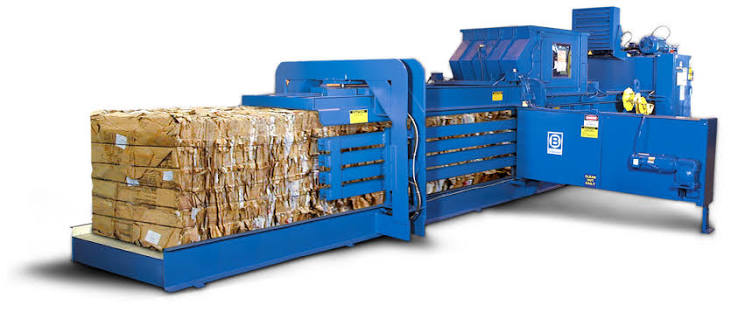
Paper waste can quietly become a major operational problem for packaging units, printing presses, warehouses, and recycling facilities. Cardboard sheets and discarded paper pile up quickly, filling valuable floor space and creating extra work for employees. When materials are handled manually, even routine disposal can interrupt production. An automated baling system offers a practical way to organize this waste without slowing down daily operations.
Businesses searching for an Auto Tie Paper Baler Machine Manufacturer in Delhi NCR usually want more than a machine that compresses paper. They need equipment that suits their material volume, works consistently, and makes storage and transportation easier.
How Automatic Baling Works
An auto tie paper baler brings several operations together in one process. Waste paper or cardboard enters the machine through a suitable feeding arrangement. A hydraulic system then compresses the material inside a chamber, forming a dense bale. Once the required bale length is reached, an automatic wire tying mechanism secures the bundle before it is discharged.
The process reduces the need for workers to tie each bale by hand. It also helps facilities produce bundles with more consistent dimensions, making them easier to stack and move. The actual output depends on the machine configuration, material density, and feeding rate.
Why Automation Matters for Productivity
In a busy facility, waste handling should support production rather than compete with it. An industrial auto tie paper baler can reduce repetitive handling tasks, allowing employees to spend more time on sorting, loading, monitoring, and other essential activities.
Hydraulic compression reduces the volume of loose materials. Automatic tying eliminates a separate manual step, while PLC based controls coordinate machine functions. Where appropriate, conveyor feeding can help maintain a steady flow of paper into the press.
These features can improve workflow, but selecting the right capacity remains important. An undersized machine may create a backlog, while an oversized installation may use more space and resources than necessary.
Applications Across Delhi NCR
Different industries use paper balers for different reasons. Printing companies need to manage trimming waste, rejected sheets, and surplus paper. Carton manufacturers regularly handle corrugated board offcuts and damaged boxes. Warehouses and distribution centres collect packaging waste from incoming and outgoing shipments.
Recycling businesses often manage mixed volumes of newspapers, cartons, magazines, and kraft paper. Compressing these materials into secured bales makes collection and transport more manageable. However, separating paper grades before baling can help preserve material quality for downstream recycling.
Manufacturing and Support Services
Purchasing industrial equipment begins with understanding the customer's working conditions. Rolcon India offers paper baling solutions designed around hydraulic compression and automatic operation, with machine selection guided by processing needs.
Before ordering, buyers should discuss their expected daily volume, feed opening, preferred bale dimensions, power availability, and installation area. A technical consultation can help identify a suitable arrangement and clarify whether optional feeding equipment is needed.
Rolcon India can be approached to discuss machine configuration, installation requirements, operator guidance, and the technical support available for a selected model. Buyers should confirm the precise scope of commissioning, training, maintenance, and spare parts assistance when finalizing an order.
Planning for Reliable Operation
Even a well matched hydraulic paper baling machine requires routine care. Operators should follow safety procedures, keep feeding areas clear, and avoid introducing unsuitable materials into the chamber. Hydraulic fluid condition, electrical connections, moving parts, and wire tying components need checks according to the maintenance schedule.
Keeping a basic maintenance log helps teams recognize recurring issues and plan service before minor problems develop into extended downtime. Clear operator training is equally important because improper feeding or neglected inspections can affect performance.
Making the Investment Count
A baler should be evaluated by its usefulness over time, not simply its purchase price. Compare expected throughput, energy needs, space requirements, service access, and ease of operation. Consider how finished bales will be moved and stored after discharge.
It is also worth asking how bales will be loaded onto vehicles, who will manage wire supplies, and how production teams will respond if material volumes increase unexpectedly during busy seasons.
For businesses reviewing their waste handling process, Rolcon India provides a starting point for discussing equipment options that fit practical production needs.
Conclusion
Auto tie paper balers help industrial facilities turn bulky paper waste into manageable loads. By combining hydraulic compression with automatic tying, they can reduce manual work and support more orderly recycling operations. Careful equipment selection, trained operators, and regular maintenance are the foundations of dependable performance.