Why Quality Control Matters in Full Turnkey PCB Assembly
-
- Published Updated
- 5,418 views
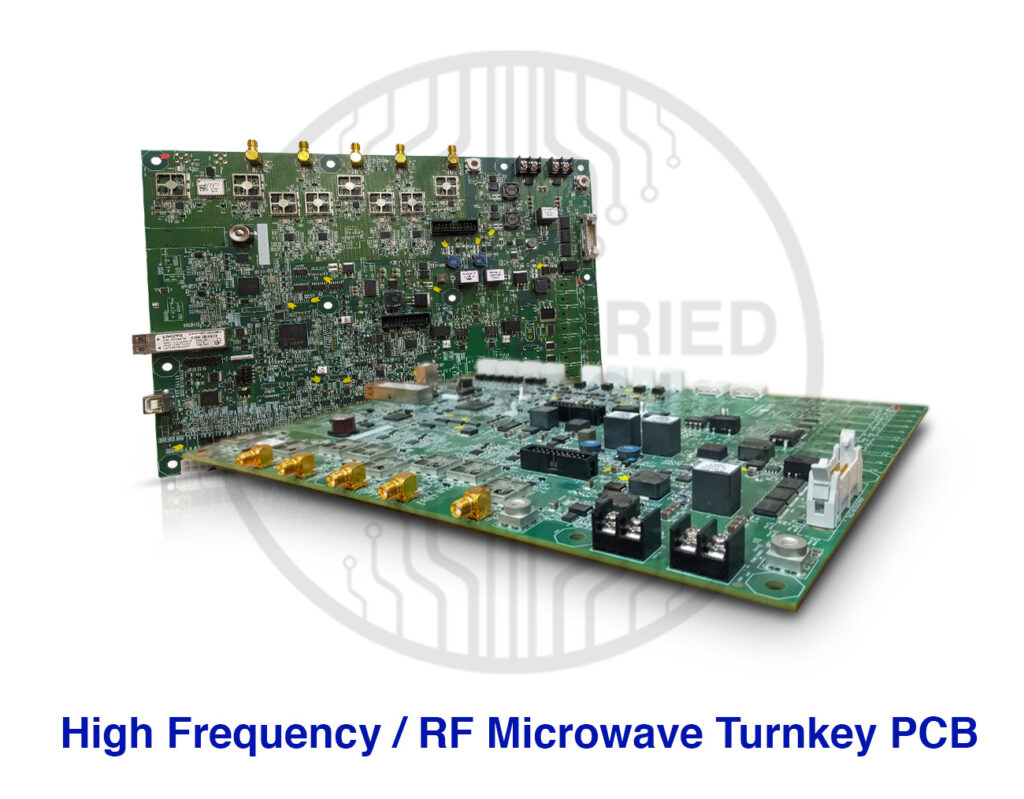
As electronic devices become more advanced, manufacturers are expected to deliver products that meet strict performance, reliability, and safety standards. Whether producing medical equipment, industrial control systems, automotive electronics, or IoT devices, even a minor defect in a printed circuit board (PCB) can lead to costly failures, product recalls, or downtime.
This is why quality control is one of the most important aspects of Full Turnkey PCB Assembly. When a single manufacturing partner manages PCB fabrication, component sourcing, assembly, testing, and inspection, quality can be monitored throughout every stage of production rather than only at the end.
Companies seeking a manufacturing partner that emphasizes quality throughout fabrication, procurement, assembly, and inspection can learn more about Full Turnkey PCB Assembly services offered by Blind Buried Circuits:
What Is Full Turnkey PCB Assembly?
Full Turnkey PCB Assembly is an end-to-end manufacturing service where one provider manages the complete PCB production process, including:
- PCB fabrication
- Electronic component procurement
- Bill of Materials (BOM) verification
- PCB assembly
- Inspection and testing
- Packaging and delivery
Because every stage is managed under one workflow, manufacturers can implement consistent quality standards from design review through final shipment.
Why Quality Control Is Essential
Quality control ensures every PCB performs according to its intended design. Poor manufacturing practices can result in:
- Solder joint failures
- Missing or incorrect components
- Short circuits
- Open circuits
- Signal integrity problems
- Reduced product lifespan
- Field failures
Detecting these issues before products reach customers helps reduce warranty claims, production delays, and expensive rework.
1. Early Detection of Manufacturing Defects
One of the biggest advantages of a comprehensive quality control process is identifying problems before they become larger production issues.
During turnkey manufacturing, inspections are performed throughout production rather than waiting until assembly is complete. This proactive approach minimizes waste and reduces manufacturing costs.
Common defects identified include:
- Misaligned components
- Insufficient solder
- Solder bridges
- Incorrect component placement
- PCB fabrication defects
- Damaged traces and vias
Early detection allows manufacturers to correct problems before additional assemblies are affected.
2. Ensures Component Accuracy
PCB assemblies often contain hundreds or even thousands of electronic components.
Quality control begins long before assembly by verifying the Bill of Materials (BOM) and ensuring components match engineering specifications.
This process typically includes:
- Component verification
- Part number validation
- Approved supplier sourcing
- Counterfeit component prevention
- Component traceability
Accurate component sourcing significantly improves final product reliability.
3. Improves Product Reliability
Products used in industries such as aerospace, medical devices, telecommunications, and industrial automation require consistent performance over long operating periods.
Quality inspection helps ensure that assembled PCBs meet electrical and mechanical requirements before shipment.
Reliable PCB assemblies lead to:
- Longer product life
- Fewer service calls
- Reduced maintenance
- Increased customer satisfaction
4. Supports Industry Standards and Compliance
Many industries require manufacturers to comply with internationally recognized quality standards.
Professional turnkey PCB manufacturers often follow standards such as:
- IPC-A-610 for electronic assembly acceptability
- IPC-A-600 for PCB fabrication quality
- ISO 9001 Quality Management Systems
- ISO 13485 for medical device manufacturing
- RoHS compliance
Maintaining these standards helps ensure products meet customer and regulatory requirements.
5. Reduces Manufacturing Costs
Although inspection requires time and resources, quality control ultimately lowers manufacturing costs.
Finding defects before shipping reduces:
- Product returns
- Warranty claims
- Rework expenses
- Scrap materials
- Customer support costs
Preventing defects is almost always less expensive than correcting failures after delivery.
6. Enhances Production Efficiency
Quality control is not just about identifying defects—it also helps improve manufacturing processes.
Inspection data can reveal recurring issues that indicate:
- Equipment calibration problems
- Process inconsistencies
- Component handling issues
- Assembly workflow improvements
Continuous process improvement increases production efficiency over time.
Common Quality Control Methods in PCB Assembly
Modern turnkey PCB manufacturers use several inspection techniques throughout production.
Automated Optical Inspection (AOI)
AOI systems use high-resolution cameras to detect component placement errors, missing components, incorrect polarity, and solder defects.
X-Ray Inspection
For complex multilayer boards and Ball Grid Array (BGA) components, X-ray inspection verifies hidden solder joints that cannot be visually inspected.
Visual Inspection
Experienced quality inspectors examine assembled boards for cosmetic defects, component orientation, solder quality, and assembly accuracy.
Functional Testing
Functional testing verifies that the completed PCB performs according to its intended operating conditions.
Electrical Testing
Electrical testing checks continuity, isolation, shorts, and open circuits before boards are approved for shipment.
Quality Control Throughout the Turnkey Process
Unlike traditional manufacturing where different vendors handle fabrication and assembly separately, Full Turnkey PCB Assembly allows quality checkpoints throughout production.
Typical quality stages include:
- Design and documentation review
- BOM verification
- Component inspection
- PCB fabrication inspection
- Assembly inspection
- AOI and X-ray inspection
- Functional testing
- Final quality audit
- Packaging and shipment verification
This structured workflow helps maintain consistency from prototype through full-scale production.
Choosing a Manufacturing Partner with Strong Quality Systems
When evaluating a turnkey PCB manufacturer, consider whether they offer:
- DFM and DFA engineering reviews
- Certified quality management systems
- Component traceability
- Automated inspection equipment
- Functional testing capabilities
- IPC-certified manufacturing processes
- Experienced quality assurance personnel
These capabilities contribute to higher-quality assemblies and more reliable finished products.
Conclusion
Quality control is the foundation of successful Full Turnkey PCB Assembly. By integrating inspection, testing, and verification throughout the manufacturing process, electronics manufacturers can reduce defects, improve product reliability, lower production costs, and ensure compliance with industry standards.
As PCB designs become increasingly complex, partnering with a turnkey manufacturer that prioritizes quality at every stage of production helps organizations deliver dependable electronic products while minimizing manufacturing risks.