How Parents Should Train Kids in the Early Stage of Kindergarten
-

- March 25th, 2026
- 7,748 views
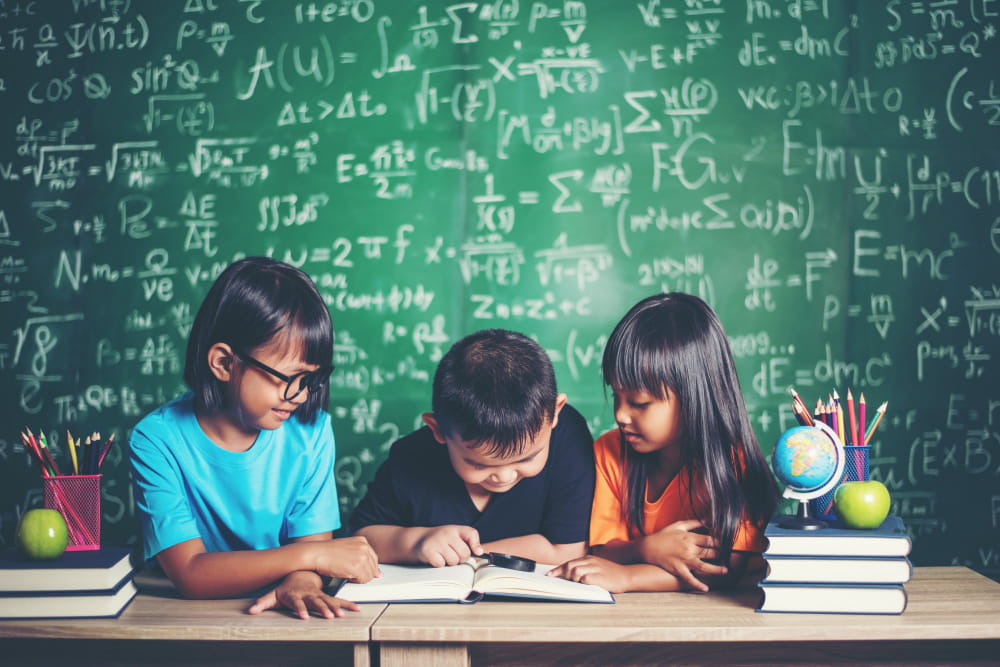
The early years of a child’s life are very important. Kindergarten is not just about learning alphabets or numbers. It is the stage where children start understanding the world outside their home. As a parent, your role during this phase is very important. The way you guide your child now will shape their learning habits, confidence, and attitude towards education in the future.
Many parents focus only on academics, but in reality, children at this stage need a balance of learning and play. They should feel comfortable, curious, and excited about learning. Instead of forcing them to study, it is better to create an environment where learning happens naturally.
Building a Simple Routine
The first step parents should focus on is building a routine. Children feel secure when they follow a consistent daily schedule. Fixing time for waking up, eating, playing, and learning helps them adjust easily when school begins. A simple routine also improves their discipline without making them feel pressured.
Improving Communication Skills
Another important aspect is communication. Parents should spend time talking with their children every day. Ask them simple questions, listen to their answers, and encourage them to express their thoughts. This improves their vocabulary and helps them feel confident while speaking in school.
Developing Handwriting Skills Early
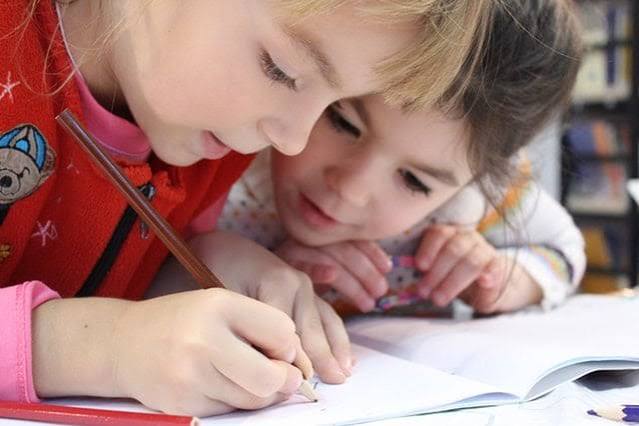
At this stage, parents can gently start working on handwriting skills. It doesn’t mean making children write pages daily. Instead, begin with simple activities like tracing lines, drawing shapes, or holding crayons properly. These small practices help in developing fine motor skills, which are essential before actual writing begins.
Encouraging Independence
Children should also be encouraged to become independent in small tasks. Simple habits like packing their bag, arranging toys, or eating on their own make a big difference. Independence builds confidence, and confident children adjust better in school environments.
Building Social Skills
Social skills are equally important. Kindergarten is often the first place where children interact with others regularly. Parents can prepare them by encouraging sharing, taking turns, and playing with other kids. Teaching basic manners like saying “please” and “thank you” also helps them feel comfortable in group settings.
Strengthening Reading Skills
Reading habits should be introduced in a very simple and enjoyable way. Instead of forcing children to read, parents can read storybooks to them. Listening to stories improves imagination and language skills. Gradually, children start recognizing words and sounds on their own.
This is where building reading skills becomes important. Start with picture books, colorful storybooks, and simple words. Allow children to look at images and tell stories in their own way. This not only improves reading ability but also boosts creativity and thinking skills.
Supporting Emotional Readiness
Parents should also focus on emotional development. Many children feel anxious when they start school. To reduce this fear, talk positively about school. Explain how fun it will be to meet new friends and learn new things. Avoid creating fear by using school as a threat.
Learning Through Play
Play is one of the most powerful learning tools at this stage. Through play, children learn problem-solving, creativity, and teamwork. Activities like building blocks, puzzles, and role-playing games help in overall development. Parents should actively participate in these activities to make learning more engaging.
Limiting Screen Time
Screen time should be limited during early childhood. While digital learning has its benefits, excessive screen usage can affect attention span and social interaction. Instead, parents should encourage outdoor play, creative activities, and real-world experiences.
Enhancing Drawing Skills
Creativity plays a huge role in a child’s development. Children should be given the freedom to explore their imagination without fear of mistakes. Whether it is coloring, crafting, or simple doodling, every activity contributes to their growth.
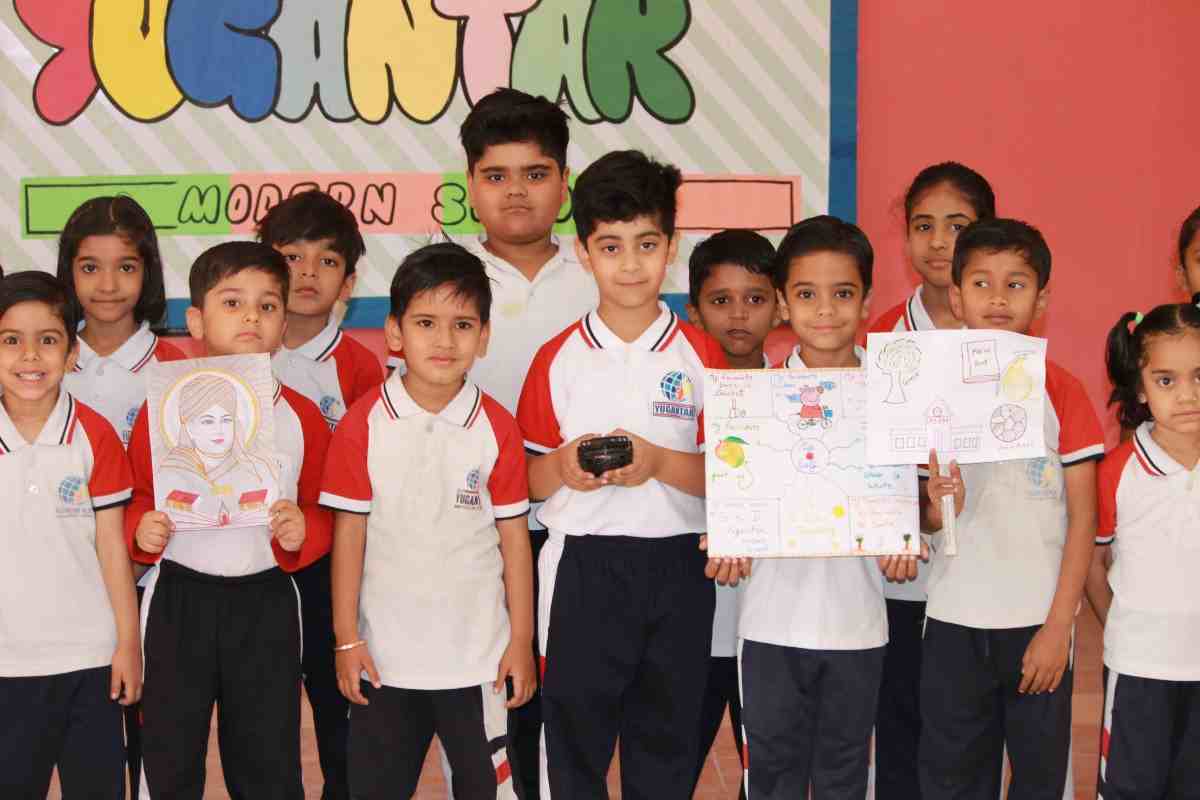
This is where drawing skills come into the picture. Drawing helps children express their thoughts and emotions in a visual form. It also improves concentration and hand coordination. Parents don’t need to correct their drawings; instead, they should appreciate the effort and encourage creativity.
Being Patient with Your Child
Another key area parents should focus on is patience. Every child learns at their own pace. Comparing your child with others can create unnecessary pressure. Instead, understand their strengths and support them accordingly. Positive reinforcement works much better than criticism.
Teaching Healthy Habits
Healthy habits should also be introduced early. Teaching children about cleanliness, proper eating habits, and basic hygiene prepares them for school life. Simple habits like washing hands before eating or keeping their belongings neat go a long way.
Staying Connected with Teachers
Parents should also stay connected with teachers once the child starts school. Understanding the child’s progress, strengths, and areas of improvement helps in providing better support at home. A strong parent-teacher connection benefits the child greatly.
Conclusion
Most importantly, children should feel loved and supported. Emotional security is the foundation of learning. When children feel safe and encouraged, they naturally become more curious and willing to explore new things.
In conclusion, the kindergarten stage is not about academic pressure but about building a strong foundation. By focusing on routine, communication, independence, and essential skills like handwriting skills, reading skills, and drawing skills, children can grow into confident and happy learners.
The goal is simple: make learning enjoyable, not stressful.