Personalized Baby Botox: How Treatments Are Tailored to Different Faces
-

- Published Updated
- 1,293 views
Baby Botox is a lower-dose approach to neuromodulator injections intended to soften fine lines while preserving natural facial movement. Customizing a treatment plan for each person relies on facial anatomy, muscle activity, skin quality, treatment goals, and lifestyle. This article explains common customization options, what to expect from assessment through follow-up, and practical considerations when evaluating personalized care.
- Baby Botox uses smaller doses of a neuromodulator to achieve subtle relaxation of facial muscles.
- Customization depends on anatomy, muscle strength, aesthetic goals, and prior treatment history.
- Common adjustments include dose, injection sites, spacing, and staged treatments.
- Understand expected effects, common side effects, and follow-up options before proceeding.
What is Baby Botox and how it differs from standard treatments
Baby Botox typically refers to injecting smaller doses of a botulinum toxin–based neuromodulator into key facial muscles. Instead of aiming for complete muscle paralysis, the goal is to reduce dynamic lines while maintaining natural expression. The approach can be appropriate for people seeking a subtle, freshened look, early prevention of deeper lines, or those who prefer minimal change to facial mobility.
How providers assess needs for a customized Baby Botox plan
Facial anatomy and muscle activity
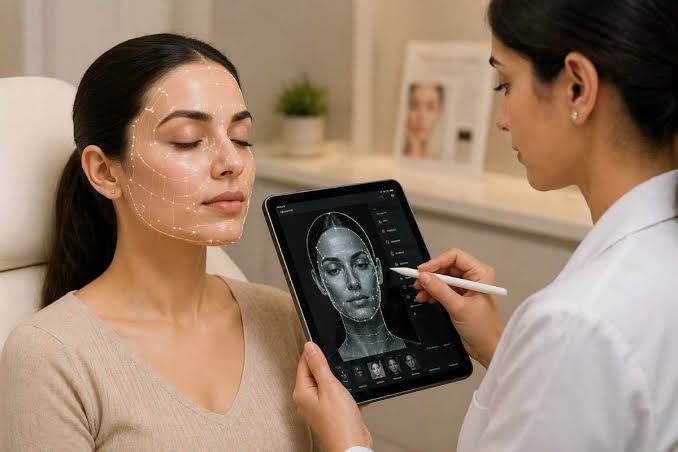
Assessment begins with observing facial movement at rest and during animation (smiling, frowning, squinting). Muscle size and firing pattern differ across individuals and ethnicities, so injection points and unit counts are adjusted accordingly. Photographs and video may be used to document baseline movement.
Skin quality and aging pattern
Skin thickness, elasticity, and the presence of static wrinkles or volume loss influence whether neuromodulator alone is sufficient or if combination treatments (for example, fillers, skin resurfacing) might be discussed. Providers may recommend pairing procedures in staged visits to achieve balanced outcomes.
Treatment goals and lifestyle factors
Desired results—such as subtle softening versus stronger smoothing—help determine dose. Lifestyle factors like frequent sun exposure, smoking, or high facial expressiveness can affect longevity and dosing strategy. Prior response to neuromodulators and treatment frequency are important history points.
Customization strategies commonly used
Titrated dosing and staged treatments
Many clinicians start with a conservative dose and schedule a short follow-up (two to four weeks) to assess effect and add small amounts if needed. Staged dosing reduces the risk of over-treatment and supports a gradual, tailored outcome.
Selective site placement
Rather than standard injection maps, selective placement targets only the muscles contributing most to a concern—such as the corrugator muscles for vertical glabellar lines or lateral orbicularis oculi fibers for crow’s feet—while sparing adjacent muscles to preserve expression.
Adjusting spacing and diffusion
The volume per injection and needle placement influence how the product diffuses through tissue. Lower volumes with more injection points can produce subtle, even effects; conversely, a single higher-volume injection creates more local spread. Providers may adjust technique to suit anatomy and goals.
Safety, common side effects, and regulatory context
Common temporary effects include mild bruising, redness, swelling at injection sites, and transient headache. Less common effects can include drooping of adjacent muscles if the neuromodulator spreads beyond intended areas. Licensed injectors follow dosing guidelines and anatomical safety protocols to minimize risks. Regulatory agencies and professional organizations publish safety information and recommendations; for official regulatory information about botulinum toxin products, see the FDA resources on botulinum toxin and related safety information (FDA).
What to expect during and after a customized Baby Botox session
Before treatment
A thorough consultation includes medical history, medication review, and discussion of realistic goals. Disclose prior neuromodulator treatments and any neuromuscular conditions. Photos and consent documentation are commonly used.
During treatment
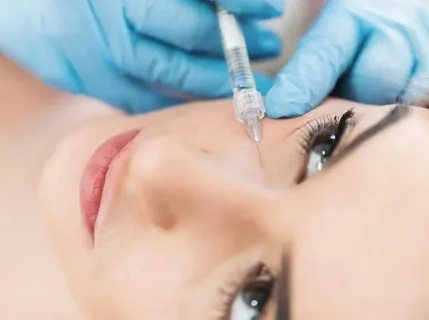
The procedure is typically quick, performed with fine needles and minimal discomfort. Local cooling or topical anesthetic may be offered. Treatment time varies with the number of sites and whether combination procedures are performed.
Aftercare and follow-up
Post-treatment guidance often includes avoiding strenuous exercise and excessive heat for 24 hours and refraining from rubbing injection sites. A follow-up visit allows the injector to evaluate results and make minor adjustments if a staged dosing approach is used.
Choosing a qualified injector and questions to ask
Provider qualifications and experience
Select a licensed medical professional experienced in facial anatomy and neuromodulator injections. Ask about routine case volumes, training in complication management, and availability for follow-up.
Questions to ask during consultation
- How many units or what dosing strategy is recommended and why?
- Which injection sites will be treated and which will be spared?
- What is the plan for follow-up or touch-ups if results are too strong or too weak?
Documentation and safety planning
Ensure that informed consent and a written treatment plan are provided. Ask how adverse effects are handled and what emergency contacts are available for unexpected concerns.
Realistic outcomes and longevity
Results from lower-dose approaches are generally subtler and may last a similar or slightly shorter duration than standard doses, depending on individual metabolism and muscle activity. Maintenance intervals are individualized and may vary from three to six months or longer based on response and preferences.
FAQ
What is Baby Botox and who is a typical candidate?
Baby Botox is a lower-dose neuromodulator approach aimed at subtle softening of dynamic lines. Typical candidates are people seeking minimal changes to natural expression, early prevention of lines, or a gradual approach to treatment; candidacy should be determined by a qualified injector based on medical history and assessment.
How long do results last?
Duration varies by dose, individual metabolism, and treated muscle. Effects are often noticeable within several days and may last a few months; maintenance scheduling depends on the response and patient goals.
Are there differences in customization for different face shapes and ethnicities?
Yes. Anatomical differences—such as muscle thickness, bone structure, and facial proportions—affect injection sites and dosing. Experienced injectors tailor plans to account for these variations to achieve natural, balanced results.
What are common side effects and when should a provider be contacted?
Common side effects include mild bruising and localized swelling. Contact a provider promptly for persistent weakness, difficulty breathing or swallowing, sudden changes in vision, or signs of an allergic reaction. Providers should provide specific post-treatment instructions and emergency contact information.
How can follow-up visits support a customized outcome?
Follow-up visits enable small dose adjustments, assessment of symmetry, and discussion of maintenance planning. A staged approach helps refine results while minimizing the chance of over-treatment.
Information in this article is educational and not a substitute for professional assessment. For guidance specific to an individual situation, consult a licensed medical provider or dermatologist and review official regulatory resources such as the U.S. Food and Drug Administration.