How to Prepare Your Pet for Surgery in Dubai
-
- May 10th, 2026
- 5,694 views


FREE SEO Topical Map Generator: Find Your Next Content Ideas
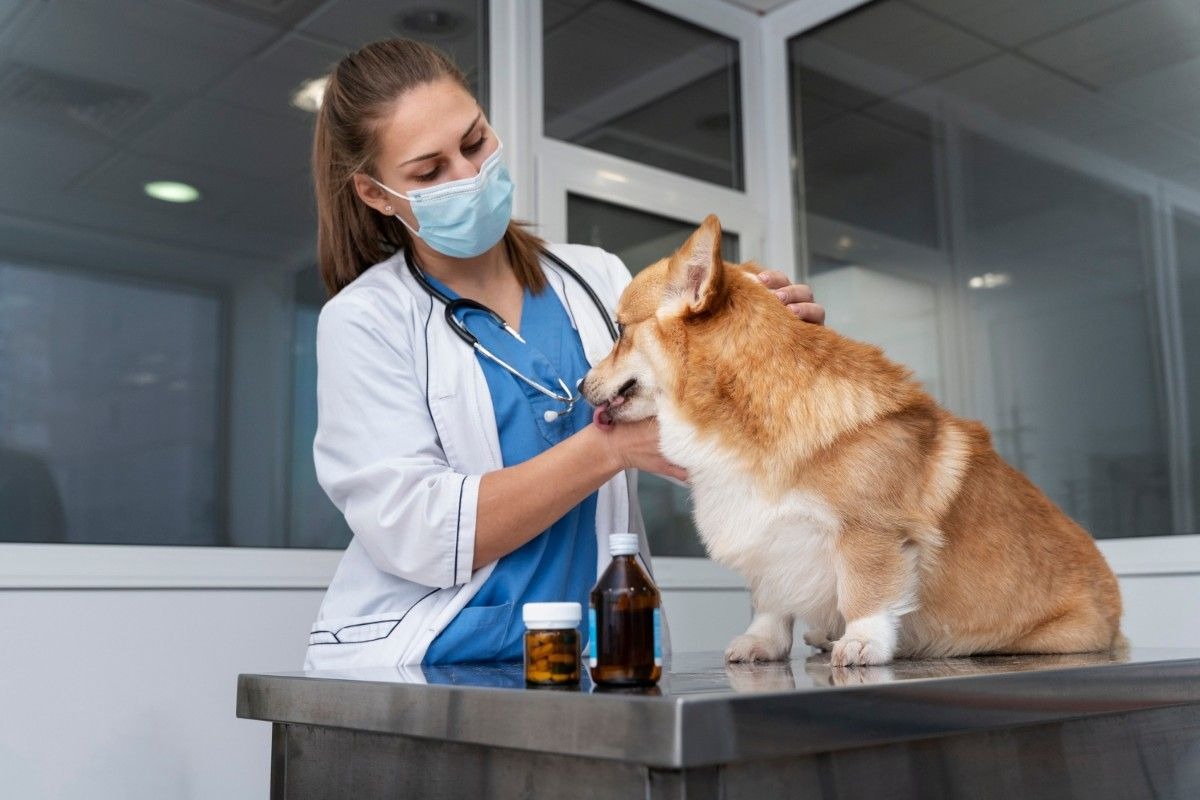
Pets are an important part of the family, so hearing that they need surgery can feel stressful for any owner. Whether it is a routine operation or a more serious medical procedure, proper preparation can make the experience safer and smoother for both the pet and the owner. Choosing a trusted clinic for pet surgery in dubai services is the first step toward ensuring your pet receives professional and compassionate care. Understanding what happens before, during, and after surgery can help reduce anxiety and support a faster recovery for your furry companion.
Understanding Why Your Pet May Need Surgery
Pets may require surgery for many reasons. Some procedures are preventive, such as spaying or neutering, while others are necessary to treat injuries, infections, dental problems, or internal health conditions. In some cases, surgery is recommended to improve a pet’s quality of life and prevent future complications.
Veterinarians in Dubai use advanced diagnostic tools to examine pets before surgery. Blood tests, imaging scans, and physical examinations help determine the safest treatment plan. Knowing the reason behind the procedure can help owners feel more confident and prepared.
Schedule a Pre-Surgery Veterinary Checkup
Before any operation, your veterinarian will usually schedule a detailed health examination. This checkup helps identify any hidden medical issues that may affect anesthesia or recovery. Your pet’s age, breed, weight, and medical history are all important factors in surgical planning.
During the consultation, pet owners should ask questions about the procedure, recovery timeline, medication, and possible risks. Good communication with the veterinary team helps create peace of mind before surgery day arrives.
Follow Fasting Instructions Carefully
One of the most important preparation steps is fasting. Most pets should avoid food for several hours before surgery because anesthesia can cause nausea or vomiting if the stomach is full. Water restrictions may also apply depending on the type of procedure.
Your veterinarian will provide exact instructions based on your pet’s condition and surgery type. Following these guidelines carefully helps reduce complications during the operation.
Keep Your Pet Calm Before Surgery
Pets can easily sense stress from their owners. Staying calm and maintaining a relaxed environment can help your pet feel safer before the procedure. Avoid loud activities or unnecessary travel on surgery day.
Taking your dog for a short walk or allowing your cat to rest in a quiet room may help reduce anxiety. Bringing a familiar blanket or toy to the clinic can also provide comfort.
Prepare Your Home for Recovery
After surgery, pets need a clean and peaceful place to recover. Setting up a recovery area before the procedure makes the transition easier once your pet returns home.
Choose a quiet space away from children, noise, and other animals. Soft bedding, clean water, and easy access to food help create a comfortable healing environment. Some pets may need restricted movement, especially after orthopedic or abdominal surgery.
Pet owners should also prepare any medications, cones, or recovery supplies recommended by the veterinarian.
Understand the Importance of Post-Surgery Care
Recovery is a major part of successful veterinary treatment. Pets need proper rest, medication, and monitoring after surgery to heal safely. Some animals recover quickly, while others may require several weeks of careful observation.
Common aftercare instructions include:
- Giving medications on time
- Preventing licking or scratching near stitches
- Limiting physical activity
- Monitoring eating and drinking habits
- Attending follow-up appointments
Ignoring aftercare guidelines can increase the risk of infection or delayed healing. Always contact the veterinarian if you notice swelling, bleeding, vomiting, or unusual behavior.
Watch for Signs of Pain or Discomfort
Animals often hide pain naturally, so owners should pay close attention during recovery. Signs of discomfort may include:
- Loss of appetite
- Heavy breathing
- Excessive sleeping
- Whining or crying
- Difficulty walking
- Aggressive behavior
Veterinary clinics may prescribe pain relief medication to keep pets comfortable after surgery. Never give human medicine to pets unless specifically instructed by a veterinarian.
Nutrition and Hydration After Surgery
Many pets experience reduced appetite after anesthesia. Offer small portions of light food and fresh water once your veterinarian says it is safe. Some animals may prefer bland meals during the first day of recovery.
Hydration is extremely important because it supports healing and helps prevent weakness. If your pet refuses to eat or drink for an extended period, contact your clinic immediately.
Importance of Choosing the Right Veterinary Clinic
The quality of veterinary care plays a major role in your pet’s safety and recovery. A reliable clinic should have experienced veterinarians, modern surgical equipment, advanced monitoring systems, and emergency support if complications arise.
Super Vet Pet Clinic LLC is known for providing professional pet healthcare services in Dubai with a strong focus on compassionate treatment and advanced veterinary solutions. Choosing a trusted medical team can make a significant difference during stressful situations involving surgery and recovery.
Common Concerns Pet Owners Have
Many pet owners worry about anesthesia safety, pain management, and recovery time. These concerns are normal, especially for first-time surgeries. Modern veterinary medicine has made surgical procedures much safer than before, with advanced monitoring systems used throughout the operation.
Recovery times vary depending on the procedure and the pet’s overall health. Minor surgeries may require only a few days of rest, while complex operations may need longer healing periods.
The best way to reduce stress is to stay informed and maintain communication with your veterinary team throughout the process.
Final Thoughts
Preparing your pet properly before surgery can help improve comfort, safety, and recovery. From fasting instructions and pre-surgery checkups to home recovery planning and aftercare, every step matters. Pets recover best when owners stay patient, attentive, and supportive during the healing process.
Dubai offers access to advanced veterinary care for pets needing surgical treatment, and choosing the right clinic ensures your companion receives expert medical attention. With proper preparation and professional guidance, pet surgery can become a smoother and less stressful experience for both pets and their owners.