Photon Matrix Mosquito Killer: Honest Price, Performance, and Buyer Checklist
-
- March 18th, 2026
- 297 views

Get a free topical map and start building content authority today.
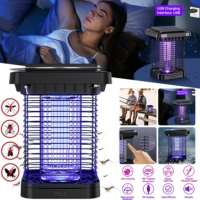
The Photon Matrix mosquito killer price is one of the first questions prospective buyers ask. This guide explains what the device does, how it works, realistic expectations for performance, and whether the cost makes sense compared with other mosquito control options.
- What it is: a consumer mosquito trap that uses light and attractants to lure and capture mosquitoes.
- Main benefits: chemical-free capture, low maintenance, suitable for patios and smaller yards.
- Typical Photon Matrix mosquito killer price range: varies by model and features—expect comparisons to other outdoor mosquito trap price points.
- Detected intent: Commercial Investigation
Photon Matrix mosquito killer price and performance
Understanding the Photon Matrix mosquito killer price requires looking beyond the sticker. Cost depends on model size, power output, added attractants (CO2 simulator or chemical lure), and build quality. Performance depends on placement, local mosquito species, and environmental factors. Comparison should include mosquito control device efficacy metrics—capture rate estimates, coverage area, and operational costs like replacement lures or electricity.
How the Photon Matrix works: technology and terms
The Photon Matrix is typically described as an optical lure system. Common components and related terms include LED or UV light sources, phototactic attraction (some mosquito species fly toward light), a lure or scent concentrate, a fan or suction system, and a capture chamber or glue board. Devices with stronger attractant profiles (CO2-like plumes, octenol) and controlled airflow tend to perform better in independent tests. These systems differ from insecticides and are best classified as mechanical or electronic mosquito traps.
Key performance factors
- Species behavior: Aedes, Anopheles, and Culex respond differently to light and CO2; performance varies by local species mix.
- Placement: Require open airflow and placement away from competing light sources; outdoors near breeding sites works best.
- Maintenance: Emptying capture chambers and replacing lures or sticky pads affects long-term cost and effectiveness.
Cost breakdown and honest price expectations
Price comparison should include initial purchase, ongoing consumables, and operating expenses. A reasonable Photon Matrix mosquito killer price range for consumer models typically sits between basic outdoor mosquito trap price points and higher-end, feature-rich devices. Expect:
- Entry-level: lower upfront cost, limited coverage, basic LED lights.
- Mid-range: better build, stronger airflow, included lures—moderate cost of ownership.
- Premium: added attractants, larger coverage claims, possibly app integration—higher initial price and replacement part costs.
PHOTON checklist — a simple buyer framework
Use the PHOTON checklist to evaluate any mosquito trap quickly:
- Performance: Claimed coverage area and independent capture data.
- Health & Safety: Chemical-free operation, safe for pets and children, and compliance with local regulations or recommendations from public health agencies (e.g., CDC).
- Operation: Power source, runtime, and noise level.
- Tech: Type of light, attractant type (CO2 mimic vs. light-only), and airflow design.
- Ongoing costs: Replacement pads, lures, and energy use.
- Next steps: Warranty, customer support, and return policy.
Real-world scenario
Scenario: A family with a 1/4-acre backyard wants fewer mosquitoes on the patio during evening meals. A mid-range Photon Matrix model placed 10–15 feet from seating, with a chemical lure replaced monthly and run for two hours before outdoor use, reduced nuisance mosquitoes near the table in warm months. Results depended on species present and nearby breeding sources; paired with source reduction (removing standing water), the trap lowered bites during evening hours.
Practical tips for best results
- Place the device downwind of the area to be protected and away from competing lights or decor to reduce distraction from the lure.
- Run the unit in the hours just before peak mosquito activity (dusk and early evening) for maximum capture when mosquitoes are most active.
- Combine traps with source reduction: eliminate standing water, maintain gutters, and trim vegetation to reduce breeding habitat and resting areas.
- Track consumable costs: log how often pads or lures are replaced for a realistic annual operating cost estimate.
- Check local mosquito species: consult state public health resources for species that respond better to CO2 or specific lures.
Trade-offs and common mistakes
When comparing Photon Matrix and similar devices, consider these trade-offs and common mistakes:
Trade-offs
- Coverage vs. portability: Larger units claim wide coverage but are heavier and more expensive; smaller units are portable but serve a limited area.
- Attractant type vs. attract-and-kill methods: Chemical attractants can improve capture rates but increase consumable costs compared with light-only devices.
- Device cost vs. integrated pest management: A single device may not replace source control, repellents, or public health measures where disease vectors are present.
Common mistakes
- Placing the device too close to the area to be protected, which can draw mosquitoes into the space instead of away from it.
- Expecting immediate elimination: traps reduce nuisance numbers but rarely eradicate populations without complementary measures.
- Ignoring maintenance: sticky pads and lures lose effectiveness; skipping replacements reduces capture efficiency.
Evaluating claims: what to look for in test data
Look for independent efficacy tests or third-party reviews. Useful metrics include captures per hour, percentage reduction in landings or bites in test areas, and coverage radius measured under field conditions. For public health context about mosquito-borne disease risk and control recommendations, consult the CDC’s guidance on mosquitoes and mosquito-borne diseases: CDC — Mosquitoes.
Core cluster questions
- How effective are light-based mosquito traps compared with CO2 traps?
- What maintenance schedule maximizes mosquito trap performance?
- Which mosquito species are most attracted to LED or UV light?
- How should an outdoor mosquito trap be placed for best results?
- What are realistic operating costs for a consumer mosquito trap over a season?
Buying decision checklist
Before purchasing, run the following quick checks:
- Confirm claimed coverage area matches backyard size.
- Check consumable prices and availability for lures, pads, or adhesive inserts.
- Read independent reviews that measure captures under real conditions rather than lab-only claims.
- Verify safety and warranty information and whether replacement parts are easy to source.
When to consider alternatives
Consider other options when disease-vector control is the primary objective (consult local public health authorities), or when large-area control is required. Alternatives include targeted larviciding, professional mosquito control services, or integrated approaches combining traps, source reduction, and personal repellents.
FAQ: Is the Photon Matrix mosquito killer price worth it?
Value depends on usage patterns, local mosquito pressure, and willingness to maintain the device. For targeted patio use combined with source control, mid-range models often justify their cost. For broad yard-wide control, multiple units or professional services may be more effective.
How does the Photon Matrix mosquito killer price compare to alternatives?
Compare upfront and recurring costs (lures, electricity) to alternatives like propane CO2 traps, which often have higher consumable costs, or professional sprays, which incur service fees. A cost-per-reduction analysis helps—divide annual cost by observed reduction in bites or nuisance captures.
What maintenance does the Photon Matrix require?
Typical maintenance includes emptying the capture chamber, replacing adhesive pads or lures monthly or as specified, and periodic cleaning of fans and inlets to maintain airflow.
Can the Photon Matrix stop all mosquito-borne disease risk?
No single consumer device eliminates disease risk. Use traps as part of an integrated strategy: source reduction, protective clothing, repellents, and following public health guidance for regions with known disease transmission.
How long before seeing results with a Photon Matrix unit?
Expect noticeable reductions in nuisance mosquitoes in days to weeks in localized outdoor areas, depending on nearby breeding sites and species. Consistent placement and maintenance accelerate results.