How Does Physical Therapy for Peripheral Neuropathy Improve Balance and Walking?
-

- Published Updated
- 1,673 views
Walking is something many people do without thinking. However, for individuals with peripheral neuropathy, every step can require extra effort and concentration. Numbness in the feet, muscle weakness, tingling sensations, and reduced balance can make everyday activities such as walking, climbing stairs, or standing for long periods more difficult.
Many patients living with neuropathy experience changes in the way they move. They may walk differently to avoid pain, feel unsteady on uneven surfaces, or worry about falling. Over time, these challenges can lead to reduced activity, muscle weakness, and decreased independence.
A common question patients ask is: Can physical therapy help improve balance and walking with peripheral neuropathy? The answer is yes. Physical therapy plays an important role in helping patients strengthen muscles, improve coordination, develop safer walking patterns, and regain confidence in movement.
At Neurology Care Clinic, Dr. Shahram Khalid, MD provides comprehensive neurological evaluations to understand the underlying cause of neuropathy symptoms and guide patients toward personalized treatment strategies. When appropriate, physical therapy can become an important part of a complete neuropathy management plan.
Understanding How Peripheral Neuropathy Affects Balance and Walking
Peripheral neuropathy occurs when nerves outside the brain and spinal cord become damaged. These peripheral nerves help send signals related to sensation, movement, and coordination.
When these nerves are affected, the brain may not receive accurate information from the feet and legs. This can interfere with balance and movement control.
Common ways neuropathy affects walking include:
- Reduced feeling in the feet
- Difficulty sensing the position of the feet
- Weakness in the ankles and legs
- Changes in walking patterns
- Difficulty maintaining stability
- Increased risk of falls
Many people describe the sensation as feeling like they are walking on soft surfaces, wearing thick socks, or having difficulty knowing where their feet are placed.
Because balance depends on communication between the nerves, muscles, eyes, and brain, nerve damage can significantly affect mobility.
Can Physical Therapy Help With Neuropathy Balance Problems?
Yes, physical therapy for neuropathy balance problems can help patients improve stability and movement control.
While physical therapy cannot always repair damaged nerves, it can help the body adapt by improving:
- Muscle strength
- Coordination
- Balance reactions
- Walking ability
- Confidence with movement
A physical therapist evaluates how neuropathy affects a patient’s daily activities and creates exercises based on their specific limitations.
Treatment goals may include:
- Preventing falls
- Improving walking safety
- Increasing lower-body strength
- Improving posture and coordination
- Helping patients remain independent
How Physical Therapy Improves Balance in Peripheral Neuropathy
Balance is a complex process that requires communication between the nervous system, muscles, joints, and senses.
When neuropathy affects sensation in the feet, physical therapy helps train the body to use other movement strategies more effectively.
Balance Training Exercises
One of the most important components of rehabilitation is balance training.
Peripheral neuropathy balance exercises are designed to improve stability and help patients respond better to changes in their environment.
Examples may include:
Standing Balance Exercises
Patients may practice maintaining balance while:
- Standing with support
- Shifting weight from side to side
- Changing foot positions
- Standing on different surfaces
These exercises help improve control and confidence.
Dynamic Balance Activities
Dynamic exercises involve movement while maintaining stability.
Examples include:
- Walking while changing direction
- Stepping over objects
- Controlled reaching activities
- Turning exercises
These activities prepare patients for real-life situations.
Strengthening Exercises for Better Mobility
Muscle weakness is common in people with peripheral neuropathy. Weak muscles can make it harder to lift the feet, maintain posture, or walk safely.
Physical therapy may focus on strengthening:
- Feet
- Ankles
- Calves
- Thighs
- Hips
- Core muscles
Stronger muscles provide better support and help compensate for reduced nerve function.
Common strengthening exercises may include:
- Heel raises
- Leg lifts
- Resistance band exercises
- Step exercises
- Sit-to-stand movements
Improving strength can make walking easier and reduce fatigue during daily activities.
Physical Therapy to Improve Walking With Neuropathy
Many patients search for physical therapy to improve walking with neuropathy because changes in gait are one of the most frustrating symptoms.
Neuropathy can cause people to:
- Walk more slowly
- Take shorter steps
- Lift their feet differently
- Avoid certain activities
- Feel unstable while moving
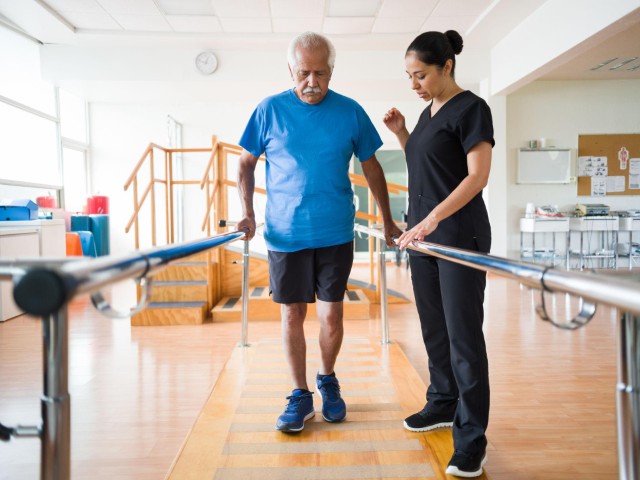
Physical therapy can help address these issues through gait training.
What Is Neuropathy Gait Training Physical Therapy?
Gait training is a specialized form of rehabilitation focused on improving walking patterns.
During gait training, a physical therapist may evaluate:
- Step length
- Foot placement
- Balance during movement
- Leg strength
- Walking posture
- Need for assistive devices
Treatment may include practicing:
- Proper walking techniques
- Safe turning methods
- Stair navigation
- Foot clearance exercises
- Walking endurance activities
The goal is to help patients walk more safely and efficiently.
Improving Foot Awareness and Coordination
Peripheral neuropathy can reduce sensation in the feet, making it harder for patients to know where their feet are positioned.
Physical therapists may use exercises that improve body awareness and coordination.
Examples include:
- Controlled foot movements
- Weight-shifting activities
- Coordination drills
- Balance tasks with visual support
These exercises encourage the nervous system to use available information more effectively.
Reducing Fall Risk Through Rehabilitation
Falls are a major concern for people with peripheral neuropathy.
Reduced sensation and muscle weakness can make it harder to react quickly when balance is lost.
Physical therapy helps reduce fall risk by improving:
- Reaction ability
- Lower-body strength
- Balance responses
- Walking confidence
Therapists may also provide education about:
- Safe footwear
- Home safety modifications
- Using assistive devices when needed
Exercises for Neuropathy Balance and Walking
The best exercises depend on the severity of neuropathy and overall health. A healthcare professional can recommend safe activities based on individual needs.
Common exercises used in rehabilitation may include:
Heel-to-Toe Walking
This exercise challenges balance and improves coordination.
Ankle Mobility Exercises
Moving the ankles through controlled motions can support flexibility and movement.
Sit-to-Stand Exercises
These strengthen the legs and improve functional movement needed for daily activities.
Supported Single-Leg Balance
Standing on one leg with support can improve stability.
Walking Practice
Controlled walking exercises help improve endurance and confidence.
Patients should avoid starting new exercise programs without proper guidance if they have severe weakness, significant balance problems, or a high risk of falling.
Can Physical Therapy Help Diabetic Neuropathy Balance Problems?
Diabetes is one of the most common causes of peripheral neuropathy. Over time, high blood sugar levels can damage nerves responsible for sensation and movement.
For patients with diabetic neuropathy, physical therapy can help by:
- Improving walking ability
- Strengthening weak muscles
- Reducing fall risk
- Supporting independence
- Encouraging safe physical activity
However, managing blood sugar levels is also essential for slowing further nerve damage.
When Should You Seek Treatment for Neuropathy Balance Problems?
You should consider neurological evaluation if you experience:
- Frequent stumbling
- New balance problems
- Difficulty walking
- Leg weakness
- Burning or tingling sensations
- Falls or near-falls
- Persistent numbness
Early evaluation can help identify the cause of symptoms and prevent complications.
Neuropathy Balance Physical Therapy TX: Why Personalized Care Matters
Patients searching for neuropathy balance physical therapy TX should understand that every neuropathy condition is different.
A successful treatment plan depends on:
- The cause of nerve damage
- Severity of symptoms
- Strength level
- Walking ability
- Overall health
- Personal goals
At Neurology Care Clinic, Dr. Shahram Khalid, MD takes a patient-centered approach to diagnosing and managing neurological conditions.
Through detailed evaluation and personalized recommendations, patients receive guidance focused on improving function and maintaining quality of life.
How Dr. Shahram Khalid, MD Helps Patients With Peripheral Neuropathy
Peripheral neuropathy can affect more than physical movement. It can impact confidence, independence, and the ability to enjoy daily activities.
Dr. Shahram Khalid, MD works with patients to understand:
- Their symptoms
- Possible causes
- Functional challenges
- Treatment options
Treatment options:
- Neuropathy care may include:
- Neurological assessment
- Diagnostic testing
- Symptom management
- Rehabilitation recommendations
- Long-term monitoring
The goal is to help patients better understand their condition and take steps toward improved mobility.
Schedule a Neurology Consultation
If peripheral neuropathy is affecting your balance, walking ability, or independence, a neurological evaluation can help identify the cause and guide appropriate treatment.
Contact Neurology Care Clinic to schedule an appointment with Dr. Shahram Khalid, MD.
Phone: 469-466-6524
Toll-Free: 866-816-0795
Email: [email protected]
Serving patients in Waxahachie, Mansfield, and Arlington, TX.
Frequently Asked Questions (FAQs)
Can physical therapy improve balance caused by peripheral neuropathy?
Yes. Physical therapy can improve balance by strengthening muscles, improving coordination, and training the body to use safer movement strategies.
What are the best balance exercises for peripheral neuropathy?
Common balance exercises include weight shifting, heel-to-toe walking, supported standing exercises, and coordination activities. The right exercises depend on each patient’s condition.
Can physical therapy help me walk better with neuropathy?
Yes. Gait training, strengthening exercises, and walking practice can help improve walking ability and safety for many people with neuropathy.
Does neuropathy gait training physical therapy really work?
Gait training can help patients improve walking patterns, balance, and confidence. Results depend on the severity and cause of neuropathy.
Can exercise make peripheral neuropathy worse?
Exercise is usually beneficial when performed correctly. However, exercises should be adjusted to avoid injury or excessive strain.
How often should I do physical therapy for neuropathy?
The frequency depends on symptoms, goals, and overall health. A physical therapist can create a personalized schedule.
Can diabetic neuropathy improve with physical therapy?
Physical therapy can help improve mobility, balance, and strength in people with diabetic neuropathy. Blood sugar management remains an important part of care.
Why do my legs feel weak with peripheral neuropathy?
Peripheral neuropathy can damage nerves that control muscles, leading to weakness, reduced coordination, and difficulty walking.
Can physical therapy prevent falls caused by neuropathy?
Yes. Balance training, strength exercises, and gait training can reduce fall risk and improve safety.
When should I see a neurologist for neuropathy symptoms?
You should see a neurologist if numbness, weakness, balance problems, or walking difficulties continue or interfere with daily life.
Medical Disclaimer
This blog is for educational purposes only and does not replace professional medical advice, diagnosis, or treatment. Always consult a qualified healthcare provider for personalized guidance regarding neurological symptoms and treatment options.