How Pi Network's Roadmap Influences INR Conversion: Key Milestones and Implications
-

- Published Updated
- 1,761 views
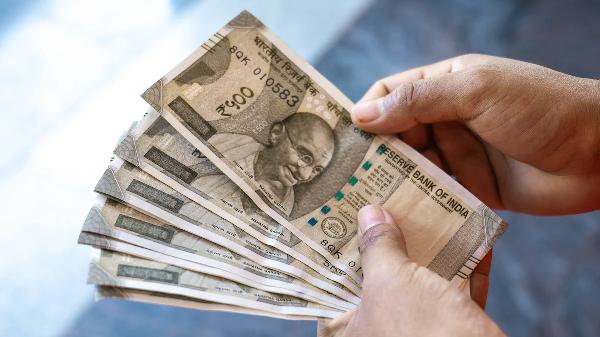
The Pi Network roadmap describes the planned technical and ecosystem milestones for the Pi cryptocurrency project and is central to understanding potential pathways for INR conversion and market accessibility in India. Tracking these milestones helps users and observers evaluate when and how Pi tokens might enter exchanges, custody solutions, or fiat on-ramp services that support conversion into Indian Rupees (INR).
- The Pi Network roadmap outlines stages from testing to mainnet and ecosystem growth.
- Major milestones influence liquidity, exchange listings, and the technical ability to convert Pi to INR.
- Regulatory factors in India, including guidance from the Reserve Bank of India and market regulators, affect timing and available conversion routes.
- Users should consider custody, KYC requirements, and market risks; this is informational, not financial advice.
Pi Network roadmap: Major stages and what they mean
The Pi Network roadmap typically includes development phases such as closed testnet, open testnet, mainnet launch, ecosystem expansion, and third-party integrations. Each phase is designed to build technical resilience, governance mechanisms, and market interoperability—elements that affect how and when Pi tokens could be converted into INR or other fiat currencies.
Testnet phases and technical readiness
Testnets validate consensus, transaction finality, and security. During testnet stages, token transfers are often restricted or use test tokens, which means direct conversion to INR is not feasible. These periods are focused on debugging, developer tooling, and node operation stability.
Mainnet launch and token portability
Mainnet activation is usually the milestone that enables real token issuance, on-chain transfers, and wallet interoperability. Once tokens are live on a mainnet and users control private keys, the technical basis for exchange listings and fiat conversion exists. For conversion to INR, additional steps such as wallet compatibility, bridge solutions, or listings on platforms serving Indian customers are typically required.
Factors that determine INR conversion pathways
Several technical, market, and regulatory factors together shape how Pi could be converted into INR.
Exchange listings and liquidity
Conversion to INR commonly requires listing on exchanges that support INR trading pairs or integration with peer-to-peer (P2P) marketplaces where INR is accepted. Exchange listings depend on project maturity, community adoption, and compliance with exchange policies for onboarding new tokens.
Custody, wallets, and on-chain support
A secure wallet and custody model enable token holders to move Pi to platforms that provide conversion services. Technical standards (token contract type, address formats, and bridge protocols) determine compatibility with centralized and decentralized exchanges.
Regulatory and compliance environment in India
Regulatory clarity affects whether exchanges and payment providers will accept listings or provide INR on-ramps. Indian regulators including the Reserve Bank of India and securities regulators have previously issued guidance related to cryptocurrencies and digital assets. Local compliance, KYC/AML requirements, and potential tax treatment will influence how and when INR conversion services emerge. For official regulatory information, consult the Reserve Bank of India: Reserve Bank of India.
Practical implications of roadmap milestones for Indian users
Roadmap milestones create a timeline for practical capabilities. The sequence and success of these milestones influence timing, access to INR on-ramps, and available market mechanisms for conversion.
Before mainnet
Users should expect limited or no direct INR conversion options. Activity centers on participation, community building, and software testing. Any marketplaces that claim to offer conversion prior to mainnet should be approached cautiously.
After mainnet and ecosystem growth
Post-mainnet, token portability and third-party integrations can enable listings and P2P markets that accept INR. Market liquidity, reliable custody, and exchange support become important determinants of conversion speed and price stability.
Risks, best practices, and due diligence
Converting tokens into INR involves market, custody, and regulatory risks. Users should verify service providers’ compliance posture, KYC and AML practices, and fee structures. Security considerations include safeguarding private keys and using reputable wallet software or custodial platforms. This information does not constitute financial, tax, or legal advice; for specifics, consult licensed professionals or official government guidance.
Evaluating service providers
Check whether exchanges or P2P platforms support INR withdrawals, review user feedback, and verify any required identity verification steps. Consider the counterparty risk and escrow arrangements on P2P platforms.
Monitoring regulatory updates
Regulatory positions can change, and announcements from national regulators or financial authorities influence service availability and compliance requirements. Staying informed about official statements from national authorities is important for users considering conversion to INR.
Data and transparency
Look for transparent reporting on token economics, supply distribution, and on-chain data. Independent audits or academic analyses can provide additional context about project claims and network health.
When to expect broader INR options
Broader INR conversion options commonly appear after reliable mainnet operation, demonstrated user adoption, and partner integrations with regulated exchanges or payment processors. The timeline varies by project and jurisdiction.
FAQ
What is the Pi Network roadmap and how does it affect INR conversion?
The Pi Network roadmap defines development and launch stages. Key milestones such as mainnet activation and third-party integrations create technical and market conditions that can enable exchange listings and INR on-ramps. Regulatory compliance, exchange policies, and liquidity will determine when practical conversion options become available.
Will Pi be immediately convertible to INR after mainnet?
Not necessarily. Immediate conversion depends on exchange listings, wallet interoperability, liquidity, and regulatory permissions in India. Market participants and service providers must adopt the token before INR pairs or P2P markets become common.
What regulatory factors in India influence token-to-INR conversions?
Regulators in India influence whether exchanges can list tokens and how payment providers process INR transactions. Compliance with KYC/AML rules, tax reporting, and guidance from financial regulators can affect the availability and mechanics of conversion services.
How can users prepare for converting Pi to INR?
Users can monitor official roadmap updates, verify service provider compliance, understand custody options, and be cautious of early market offers. Consulting official regulatory resources and professional advisors is recommended for jurisdiction-specific questions.