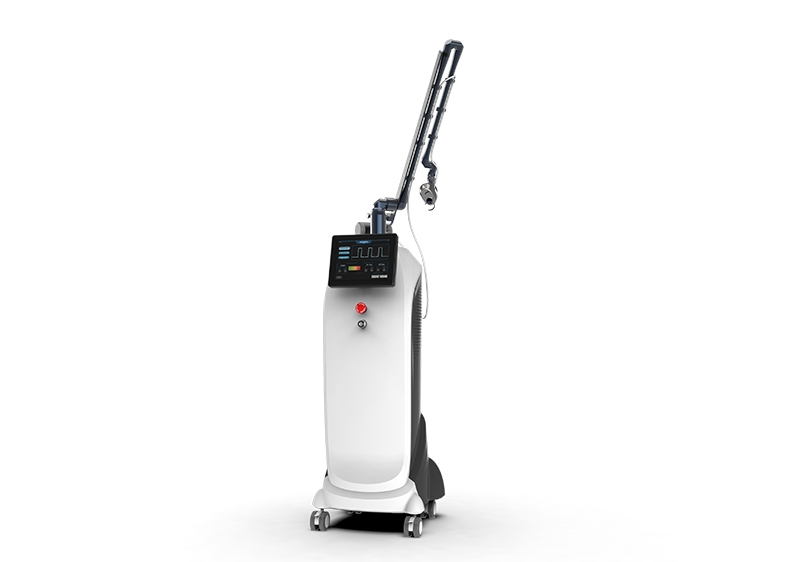
Pico Laser Treatment: A Practical Guide to Non-Invasive Skin Renewal
-
- February 23rd, 2026
- 1,174 views
Pico laser treatment is a picosecond-pulse laser approach for non-invasive skin renewal that targets pigment, fine lines, and textural issues with very short pulses that fragment pigment and stimulate collagen without extensive thermal damage.
- What it is: Ultra-short (picosecond) laser pulses that break pigment and trigger collagen remodeling.
- Why people choose it: Faster results for pigmentation and tattoo fading with typically less downtime than older lasers.
- Considerations: Skin type, realistic expectations, number of sessions, and proper aftercare determine outcomes.
Detected intent: Informational
Pico laser treatment: How it works
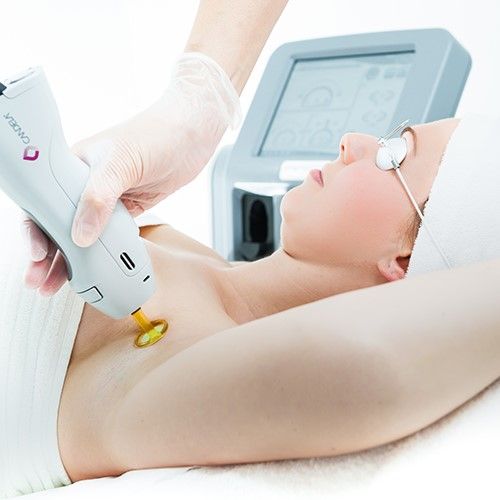
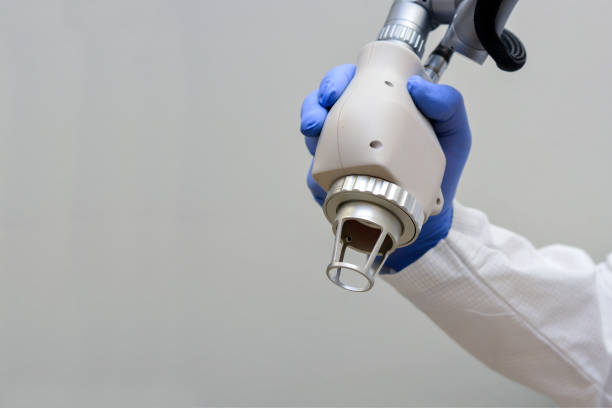
Pico laser devices deliver energy in picoseconds (one-trillionth of a second) using very short pulses. Those ultrashort pulses create a photomechanical effect that shatters pigment into tiny particles and stimulates dermal remodeling while minimizing surrounding heat injury. Related terms and technologies include picosecond laser skin resurfacing, fractional delivery, and ultrashort pulse lasers; these describe method variations and treatment settings used for different targets such as melasma, lentigines, acne scars, and tattoo ink.
Who is a good candidate and what to expect
Candidate profile
Appropriate candidates are adults with specific concerns—sunspots, stubborn pigment, early signs of photoaging, or small tattoos—who want a non-invasive option and can follow pre- and post-care instructions. Darker skin types may still benefit but require practitioners experienced with pulse duration and wavelength selection to reduce the risk of hyper- or hypopigmentation.
Typical treatment course
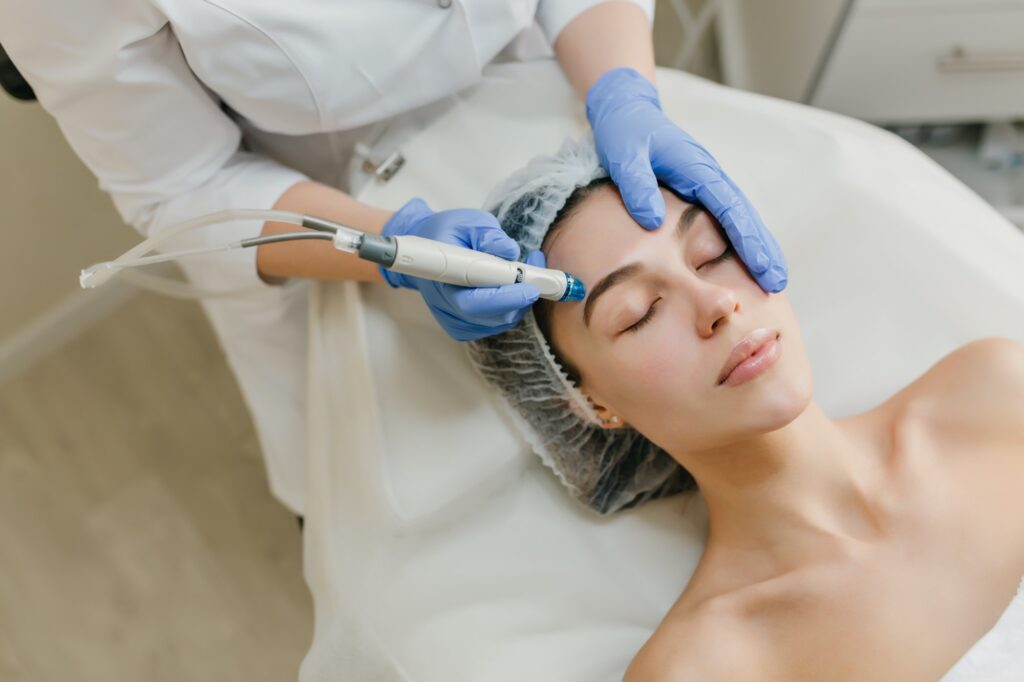
Most plans involve 2–6 sessions spaced several weeks apart. Immediate effects can include lightening of pigment or a subtle tightening as collagen remodeling begins. Full remodeling may continue for months. Downtime varies by settings: mild redness and swelling for a few days is common; crusting or temporary pigment changes are possible with more aggressive settings.
Safety, regulation, and best practices
Regulatory oversight focuses on device clearance and proper use by trained clinicians. For guidance on laser safety and regulatory context, consult the U.S. Food and Drug Administration's information on lasers and medical devices: FDA: Laser products and medical devices. Key safety steps include patch testing, correct wavelength and energy selection for skin type, eye protection, and documented informed consent.
PICO-SAFE Checklist (practical framework)
- Pre-assessment: Confirm skin type, medical history, medications (e.g., isotretinoin), and recent sun exposure.
- Informed consent: Discuss realistic results, number of sessions, risks, and alternative options.
- Cooling & comfort: Use topical anesthetic and cooling to reduce discomfort and heat-related injury.
- Optimal settings: Choose wavelength and pulse parameters matched to pigment depth and skin type.
- Schedule follow-up: Book check-ins to track response and adjust treatment plan.
- Aftercare: Provide a clear plan for sun protection, gentle cleansing, and when to resume active skincare (retinoids, acids).
- Fail-safe measures: Plan for treating complications (post-inflammatory hyperpigmentation, prolonged erythema).
- Education: Offer written instructions and expected timelines for improvement.
Real-world example
A 45-year-old with mixed sunspots on the cheeks received three pico laser treatment sessions spaced six weeks apart using a picosecond device and conservative energy settings for Fitzpatrick skin type III. After the second session, pigment density visibly reduced and by three months after the final session the overall tone improved with minimal downtime—transient redness after each session resolved within 48 hours. This scenario illustrates the importance of session planning, conservative settings for safety, and consistent sun protection during recovery.
Practical tips (3–5 actionable points)
- Schedule sessions when sun exposure can be minimized and use broad-spectrum SPF 30+ daily to reduce complication risk.
- Ask for a patch test on an inconspicuous area when treating darker skin or resistant pigment to check response before full treatment.
- Avoid chemical exfoliants and retinoids for 3–7 days before and after treatment unless directed otherwise by the treating clinician.
- Document progress with standardized photos under consistent lighting to assess true improvement between sessions.
Trade-offs and common mistakes
Trade-offs
Less downtime and faster pigment fragmentation are advantages of picosecond technology, but multiple sessions are often needed for deep pigment or scars. More aggressive settings may accelerate results but carry higher risk of pigmentary change or scarring, especially on darker skin types. Consider balancing desired speed of results against safety by staging treatments conservatively.
Common mistakes
- Overlooking phototype-specific settings—using identical energy on different Fitzpatrick types increases complications.
- Insufficient pre- and post-care instructions, which heightens risk of infection, pigment changes, or poor outcomes.
- Skipping documentation (no baseline photos), making results and decisions less objective.
Core cluster questions
- How many pico laser sessions are typically needed for pigment removal?
- What are the differences between picosecond and nanosecond lasers for skin renewal?
- How should aftercare be handled to reduce post-inflammatory hyperpigmentation?
- Can pico laser treatment improve acne scars and texture?
- What are the risks and long-term outcomes for darker skin types?
FAQ
Is pico laser treatment safe for skin rejuvenation?
When performed by a trained provider with appropriate device selection and settings, pico laser treatment is generally safe for skin rejuvenation. Proper assessment, test spots for darker skin, and strict sun protection significantly reduce risks.
How quickly are results visible after pico laser treatments?
Initial pigment lightening or tattoo fading may be seen after the first session, but significant collagen remodeling and texture improvement often require several weeks to months and multiple sessions.
Does pico laser treatment hurt and what is the downtime?
Discomfort is usually managed with topical anesthetic and cooling. Downtime is typically mild—redness and swelling for 24–72 hours—but varies with intensity of settings; more aggressive resurfacing increases recovery time.
How can complications be minimized?
Complications are minimized by matching settings to skin type, performing patch testing when indicated, adhering to pre- and post-care instructions, and avoiding sun exposure. Prompt follow-up for any unexpected pigment changes or prolonged symptoms allows early intervention.
Can pico laser treatment treat tattoos and pigmentation in the same session?
Different targets may require different wavelengths and settings. Treating tattoos and pigmentation simultaneously is possible in some cases, but often requires tailored sessions focusing on one target at a time for safe, effective outcomes.