What Is the Best Pipe Material for Hot and Cold Water Systems in Modern Buildings?
-

- Published Updated
- 6,336 views
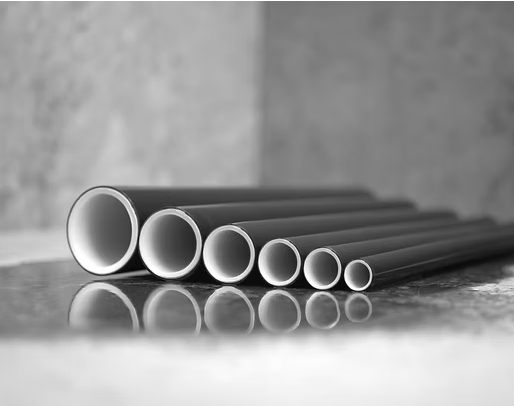
There is no single pipe material that is ideal for every plumbing project. However, for modern hot and cold water systems, builders and consultants increasingly prioritize materials that offer durability, corrosion resistance, pressure stability, and long-term reliability.
While PVC, CPVC, copper, and GI pipes continue to be used in certain applications, multilayer composite pipes are gaining attention because they combine the strengths of multiple materials while addressing many of the limitations associated with traditional piping systems.
Why Pipe Selection Matters in Modern Buildings
A plumbing system is expected to perform reliably for decades. Once installed behind walls, floors, and ceilings, repairs can become expensive and disruptive.
This makes pipe selection an important long-term decision rather than simply a material purchase.
A well-designed plumbing system can help:
Reduce maintenance costs
Improve water flow efficiency
Minimize leakage risks
Support water quality
Extend system lifespan
According to the World Health Organization (WHO) water safety resources, reliable water infrastructure plays a critical role in ensuring safe and efficient water delivery.
What Challenges Do Hot and Cold Water Pipes Face?
Modern plumbing systems operate under a variety of conditions throughout their lifespan.
Hot water lines must withstand elevated temperatures, while cold water systems need to remain stable under changing pressure conditions.
Common challenges include:
Temperature fluctuations
Pressure variation
Corrosion
Scaling buildup
Joint leakage
Material expansion and contraction
The ability to handle these challenges often determines how long a plumbing system will last.
PVC Pipes: Suitable for Basic Applications
PVC pipes are widely used because they are affordable, lightweight, and resistant to corrosion.
They perform well in many cold-water and drainage applications but are generally not designed for continuous hot-water use.
Advantages:
Cost-effective
Easy installation
Corrosion resistant
Lightweight
Limitations:
Limited heat resistance
Less suitable for hot water systems
Expansion under temperature changes
CPVC Pipes: Improved Temperature Performance
CPVC was developed to address some of the temperature limitations of standard PVC.
Because of its improved heat resistance, it is commonly used for residential hot and cold water systems.
Benefits:
Suitable for hot water
Corrosion resistant
Widely available
Challenges:
Thermal expansion over time
Potential joint-related maintenance
Performance can vary depending on installation quality
Copper Pipes: A Traditional Premium Option
Copper has long been used in plumbing because of its strength and temperature resistance.
Many copper systems perform reliably for decades when installed correctly.
Advantages:
High durability
Good heat tolerance
Long service life
Drawbacks:
Higher installation costs
Potential corrosion under certain water conditions
More expensive than many modern alternatives
The U.S. Environmental Protection Agency (EPA) drinking water resources highlight the importance of selecting plumbing materials that maintain long-term water system performance and reliability.
Why Multilayer Composite Pipes Are Becoming Popular
Modern construction projects increasingly evaluate plumbing systems based on lifecycle value rather than initial material cost.
This has contributed to the growing adoption of multilayer composite pipes.
These pipes typically use a PE-AL-PE structure, combining aluminium with polymer layers to improve overall performance.
Key advantages include:
Corrosion resistance
Better pressure stability
Reduced thermal expansion
Lightweight installation
Long operational lifespan
Modern multilayer composite pipe systems for hot and cold water applications are increasingly specified in residential and commercial projects where durability and maintenance reduction are priorities.
Why Pipe Fittings Matter as Much as the Pipe
Even high-quality pipes can experience problems if connection systems are unreliable.
Industry professionals often note that many plumbing failures originate at joints rather than within the pipe itself.
A reliable fitting system can help:
Improve sealing consistency
Reduce leakage risks
Support pressure stability
Improve long-term performance
Modern press-fit plumbing fitting systems are increasingly used to improve connection reliability in advanced plumbing networks.
Comparison of Common Pipe Materials
Feature |
PVC |
CPVC |
Copper |
Composite Pipe |
Hot Water Performance |
Low |
Good |
Excellent |
Excellent |
Corrosion Resistance |
Good |
Good |
Moderate |
Excellent |
Pressure Stability |
Moderate |
Moderate |
High |
High |
Thermal Expansion |
High |
Moderate |
Low |
Low |
Maintenance Requirement |
Medium |
Medium |
Medium |
Low |
Expected Lifespan |
20–30 Years |
25–40 Years |
40–50+ Years |
50+ Years |
What Builders Are Prioritizing Today
The plumbing industry is moving toward systems that provide long-term value rather than simply low upfront costs.
Today, consultants and developers increasingly evaluate:
Lifecycle cost
Maintenance requirements
Reliability
Water quality performance
Installation efficiency
This shift is encouraging greater adoption of modern composite piping technologies across residential and commercial construction.
Manufacturers such as Jindal Tubes have contributed to the growing awareness and adoption of multilayer composite piping systems in India as the industry focuses more on long-term infrastructure performance.
FAQs
Which pipe is best for both hot and cold water?
Multilayer composite pipes, copper pipes, and CPVC pipes are commonly used for both hot and cold water applications, depending on project requirements.
Why are composite pipes becoming more popular?
They offer corrosion resistance, pressure stability, reduced thermal expansion, and a long service life.
Are copper pipes still used in modern buildings?
Yes. Copper remains a premium plumbing material, although higher costs have encouraged many projects to evaluate alternative options.
Why do plumbing systems fail even with quality pipes?
Many failures occur at joints, fittings, or due to pressure fluctuations rather than the pipe material itself.
Final Insight
Selecting the best pipe material for hot and cold water systems depends on project goals, operating conditions, and long-term performance expectations. While traditional materials continue to serve many applications, modern construction increasingly favors solutions that offer durability, corrosion resistance, pressure stability, and reduced maintenance.
As buildings are expected to perform efficiently for decades, the focus is shifting from initial cost to lifecycle value, making advanced plumbing systems an increasingly important part of modern infrastructure planning.