Piramal Mahalaxmi Mumbai: Complete Buying Guide, Prices & Checklist
-

- March 19th, 2026
- 284 views

Get a free topical map and start building content authority today.
Piramal Mahalaxmi price in Mumbai: quick overview for buyers
Detected intent: Commercial Investigation
The Piramal Mahalaxmi price in Mumbai is a key consideration for buyers comparing premium residential options in South Mumbai. This guide explains typical price points for 2, 3 and 4 BHK residences, how pricing ties to floor plans and amenities, financing and regulatory checks, plus a structured checklist to make a confident purchase decision.
How pricing is presented and what "starting at" means
Understanding the headline price
Developers often publish a "starting at" figure to attract attention; the actual Piramal Mahalaxmi price in Mumbai for a specific unit depends on size (2/3/4 BHK), floor, view, and add-ons such as parking, premium location charges (PLC) and taxes. Always request a detailed pricing sheet showing base price per sq.ft, internal area type (carpet vs. saleable), and breakup of charges.
Typical unit types and pricing drivers
Unit mix and floor plans
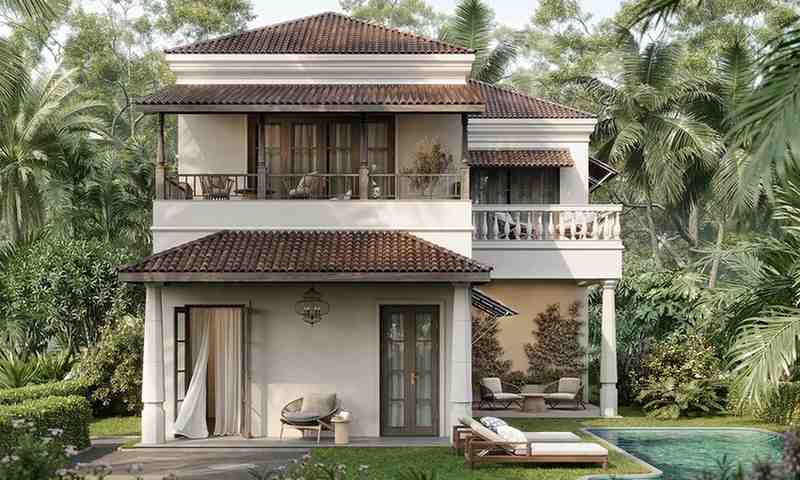
Typical premium developments list multiple unit layouts: compact 2 BHKs for couples, family-focused 3 BHKs, and expansive 4 BHKs for larger households. The Piramal Mahalaxmi 3 BHK floor plan options affect price through carpet area and balcony or terrace sizes. Higher floors and sea- or skyline-facing units usually carry a premium.
Primary cost drivers
- Carpet vs. saleable area basis and effective rate per sq.ft
- Parking allocation (covered vs. open)
- PLC, club membership and facility charges
- Goods & Services Tax (GST), stamp duty and registration
How to verify the Piramal Mahalaxmi price in Mumbai before booking
Required documents and checks
- Ask for a formal quotation and provisional allotment letter showing full cost breakup.
- Confirm RERA registration and project details on the official portal to verify carpet area and completion timelines. See the Real Estate Regulatory Authority for guidance: RERA.
- Review the builder-buyer agreement, payment plan milestones, and possession penalty clauses.
PLAR checklist: a named framework for decision-making
The PLAR checklist (Price, Location, Amenities, Regulations) provides a repeatable evaluation model for premium Mumbai properties.
- Price — Confirm total on-paper cost: base price, PLCs, parking, GST, and registration fees.
- Location — Check commute times to frequent destinations, connectivity, and neighborhood development plans.
- Amenities — Compare delivered amenities vs. marketing claims and long-term maintenance costs.
- Regulations — Verify RERA registration, title clearance, and timely completion records.
Financing, taxes and monthly cost projection
Loan and tax considerations
Confirm loan pre-approval and effective EMI using the developer's payment schedule. Include stamp duty and registration in upfront budget planning. For long-term ownership cost, estimate monthly maintenance, property tax and potential rental yield if considering investment.
Real-world example: a family choosing a 3 BHK
Scenario: A dual-income family targets a 3 BHK at Piramal Mahalaxmi listed near ₹4.5 Cr. After requesting a detailed quote, the family finds parking and PLC add another ₹20 lakh and GST applies on construction-linked payments. With a 20% down payment and a 25-year loan at prevailing rates, the monthly EMI is calculated and compared with current rent. Using the PLAR checklist, the family confirms commute times, school proximity and verifies RERA registration before signing a provisional booking.
Practical tips for negotiating and securing the best terms
- Request a firm all-in price rather than relying on headline "starting at" figures.
- Negotiate payment milestones or ask for a construction-linked plan to match expected cash flow.
- Get a written commitment for possession timelines and ask about late possession compensation.
- Clarify what finishes, fittings and appliances are included to avoid surprise costs at handover.
Common mistakes and trade-offs when assessing premium developments
Common mistakes
- Comparing prices on a per sq.ft basis without confirming area type (carpet vs. super built-up).
- Ignoring maintenance and club membership costs that raise the recurring expense.
- Assuming high resale value without checking comparable transactions in the micro-market.
Trade-offs to consider
Higher floors and views add cost but may improve resale value. Buying a larger unit reduces per-sq.ft cost but increases absolute outlay and maintenance. Close proximity to transit is convenient but could mean higher traffic noise; weigh lifestyle benefits against these compromises.
Core cluster questions
- How are maintenance charges calculated for luxury residential projects?
- What documents confirm the carpet area for a residential unit?
- How to compare effective price per sq.ft across different Mumbai developments?
- What does RERA registration reveal about a housing project?
- How to calculate total upfront cost including stamp duty and registration?
Next steps before making an offer
Obtain the detailed price breakup, confirm unit-specific floor plan and orientation, take an independent site visit, and consult a property lawyer for the sale agreement. Use the PLAR checklist as a final gate before signing the provisional booking form.
FAQ: What is the Piramal Mahalaxmi price in Mumbai?
The advertised starting price is a headline figure; actual Piramal Mahalaxmi price in Mumbai for an individual unit depends on unit size (2/3/4 BHK), floor, parking, PLCs, taxes and chosen finishes. Request a detailed quote showing base rate per sq.ft and the full cost breakup.
Are floor plans and sample apartments available for viewing?
Most developers provide model apartments or detailed floor plans. Confirm what is included in the quoted price and inspect a model or similar completed unit to check finishes and layouts.
How to verify RERA registration and project details?
Check the project registration number and builder disclosures on the official RERA portal to confirm carpet area, sanctioned plan, and complaint history. The RERA portal contains statutory project documents and is the primary regulatory source.
What are typical additional costs beyond the base price?
Expect add-ons such as parking charges, PLCs, GST, stamp duty, registration fees, club membership, and initial maintenance deposits. Include these in the total budget rather than focusing only on the base rate per sq.ft.