How Plasmodium falciparum Evades the Immune System: Key Mechanisms Explained
-
- February 23rd, 2026
- 1,280 views

👉 Best IPTV Services 2026 – 10,000+ Channels, 4K Quality – Start Free Trial Now
Plasmodium falciparum immune evasion shapes the course of malaria infections and complicates efforts to prevent and control disease. Understanding how this parasite avoids detection and clearance by the human immune system helps explain patterns of severe disease, recrudescent infection, and challenges for vaccine design.
- Plasmodium falciparum uses antigenic variation, sequestration, and immune modulation to persist in the host.
- Variant surface antigens (especially PfEMP1 encoded by var genes) drive evasion by altering antibody targets and promoting cytoadherence.
- Multiple host-pathogen interactions—complement interference, impaired antigen presentation, and tissue sequestration—reduce effective clearance.
- These mechanisms influence immunity, severe disease risk, and vaccine development strategies.
Key concepts in Plasmodium falciparum immune evasion
Plasmodium falciparum employs several coordinated strategies to escape immune responses. Antigenic variation, physical sequestration of infected erythrocytes, manipulation of innate and adaptive responses, and interference with complement and phagocytic pathways are central concepts. These mechanisms act at different stages of the parasite life cycle—from hepatocyte infection to intraerythrocytic development—and together enable prolonged blood-stage infection and transmission.
Plasmodium falciparum immune evasion
Antigenic variation and var gene family
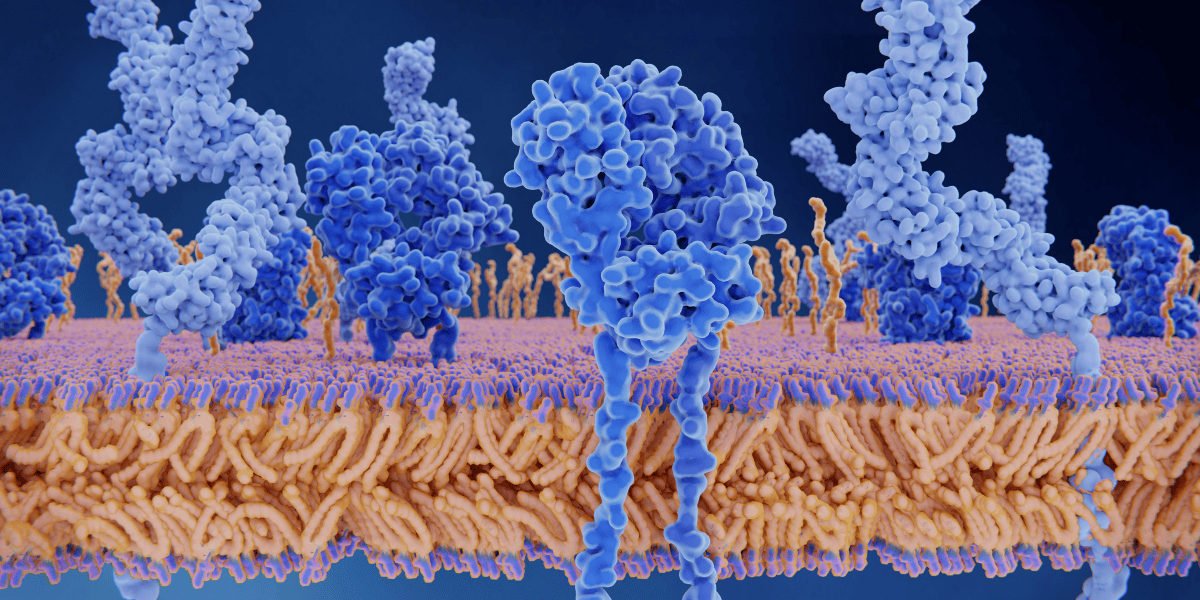
Antigenic variation is a hallmark of P. falciparum immune evasion. The parasite expresses variant surface antigens (VSAs) on infected red blood cells; the most studied family is PfEMP1, encoded by ~60 var genes per genome. Immune selection favors parasites that switch the expressed var allele, altering antibody epitopes and allowing survival despite an existing humoral response. This switching complicates strain-specific immunity and contributes to repeated infections over time.
Cytoadherence, sequestration, and microvascular avoidance
PfEMP1 also mediates cytoadherence to endothelial receptors (for example, CD36, ICAM-1, and CSA in placental malaria). Adherence causes sequestration of mature infected erythrocytes in deep tissues and microvasculature, removing them from splenic clearance and exposing them to different immune microenvironments. Sequestration is associated with severe forms of disease, including cerebral malaria and placental malaria.
Modulation of innate immune responses
P. falciparum can alter innate immune signaling. Parasite components such as hemozoin and glycosylphosphatidylinositols (GPIs) interact with host pattern recognition receptors, which may skew cytokine production. Dysregulated proinflammatory responses can contribute to pathology while also impairing effective antigen presentation and adaptive immunity. Altered dendritic cell function and inhibited T-cell priming have been reported in experimental and clinical studies.
Interference with complement and antibody function
Mechanisms that interfere with complement activation and antibody effector functions help the parasite survive in the circulation. Some parasite proteins bind host complement regulators to limit opsonization. The dense display of variant antigens and rapid switching further reduces the efficacy of antibody-mediated neutralization and opsonophagocytosis.
Immune evasion in the liver stage and gametocytes
During the liver stage, infected hepatocytes present limited antigen and may not trigger robust protective immunity. Gametocytes (the sexual stage taken up by mosquitoes) can persist at low densities and are subject to different immune pressures, enabling transmission even after partial clinical recovery.
Implications for immunity, disease severity, and vaccines
Acquired immunity and age patterns
In endemic areas, repeated exposure leads to partial immunity that reduces risk of severe disease but does not provide sterile protection. Antigenic diversity and var gene switching mean that sterile immunity is rare; instead, immunity tends to be variant-specific and cumulative over many infections. Age-dependent immunity patterns reflect exposure history and the development of breadth in antibody responses.
Vaccine and therapeutic challenges
Vaccine development faces hurdles from antigenic variation and the need to target conserved functional domains. Strategies under investigation include targeting conserved regions of PfEMP1, multi-epitope formulations, and focusing on pre-erythrocytic stages to block infection before antigenic variation becomes central. Research is guided by epidemiological and laboratory findings and by recommendations from public health organizations.
Research, surveillance, and authoritative guidance
Ongoing research in molecular parasitology and immunology continues to refine understanding of P. falciparum immune evasion. Surveillance of parasite genetics and antigenic diversity informs public health efforts. For global statistics and public health guidance, consult resources such as the World Health Organization; for example, the WHO malaria fact sheet provides current estimates of malaria burden and control priorities: World Health Organization malaria fact sheet. Peer-reviewed studies in journals such as Nature, PLoS Pathogens, and The Lancet provide detailed mechanistic and clinical data.
Future directions and knowledge gaps
Mapping var gene expression and function
More complete maps of var gene expression dynamics in natural infections would help predict immune escape patterns and inform vaccine antigen selection. High-resolution sequencing and transcriptomics are being applied to clinical samples to improve understanding.
Host genetic and immunological modifiers
Host genetics (for example, hemoglobin variants and HLA types) and co-infections shape immune responses and clinical outcomes. Clarifying these interactions can improve risk stratification and guide targeted interventions in high-risk groups like pregnant people and young children.
Frequently asked questions
What is Plasmodium falciparum immune evasion and why does it matter?
Plasmodium falciparum immune evasion refers to strategies the parasite uses to avoid detection and clearance by the host immune system, including antigenic variation, sequestration, and immune modulation. These strategies prolong infection, influence severity, and complicate vaccine and treatment development.
How does antigenic variation of PfEMP1 contribute to immune escape?
Antigenic variation allows the parasite to switch the expressed PfEMP1 variant on infected erythrocytes, changing antibody targets so that previously developed antibodies lose effectiveness. This enables persistent blood-stage infection and repeated clinical episodes.
Can understanding immune evasion improve malaria control?
Better knowledge of immune evasion mechanisms informs vaccine design, surveillance of antigenic diversity, and targeted public health strategies. Integrating molecular surveillance with clinical and epidemiological data supports more effective control measures recommended by public health agencies.
Are there treatments that counter immune evasion mechanisms?
Treatments target the parasite directly (antimalarial drugs) rather than reversing immune evasion. Research into adjunctive therapies and vaccine approaches aims to reduce the impact of immune escape by targeting conserved parasite functions or enhancing durable immune responses. Clinical management and public health measures remain guided by national and international health authorities.
Where can more authoritative information be found?
Reliable sources include the World Health Organization, the U.S. Centers for Disease Control and Prevention (CDC), and peer-reviewed scientific literature for in-depth mechanistic studies and current epidemiological data.