How to Clean Up After a Construction Project
-

- Published Updated
- 4,294 views
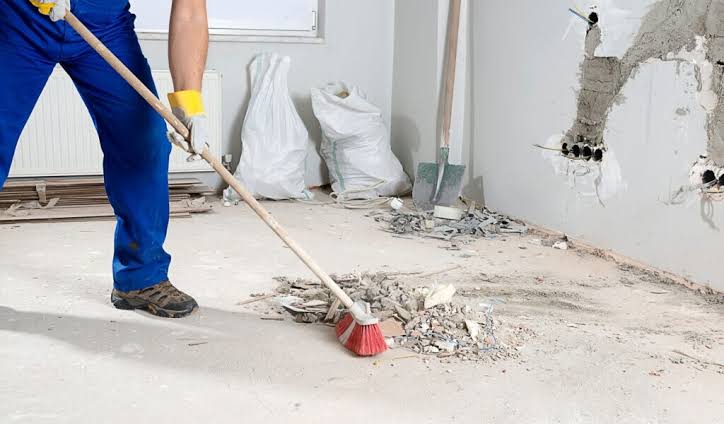
You finished the build. Walls look good. Floors look better. Then you look around.
Dust. Everywhere. Nails hiding in corners. Drywall chunks under the cabinets. Paint that somehow jumped onto the windows. Plastic still stuck to the glass. The place feels half-done even though the heavy work is over.
Cleanup after construction is messy work. It’s not fun. It’s not glamorous. But if you half-ass it, you pay for it later. Scratched floors. Clogged vents. Clients who walk away annoyed. I’ve watched crews lose real money and real time because they treated the final clean like a quick sweep.
This isn’t theory. This is what actually works on real sites.
Why This Cleanup Hits Different
Construction dust isn’t house dust. It’s fine stuff. Silica. Drywall compound. Paint overspray. Adhesive bits. It settles into every crack and stays there.
Numbers show residential post-construction cleaning usually runs $274 to $707. Average sits around $477. Per square foot you’re looking at $0.15 to $0.60 for interior work. Labor eats about 90% of that cost. Why? Because this isn’t regular cleaning. You need HEPA vacuums. Scrapers. Solvents that actually cut the residue. People who know how to work without spreading the mess around again.
Skip it or rush it and the problems show up later. Dust in the HVAC keeps circulating for months. New floors get scratched underfoot. Inspectors can hold things up. And if you’re the contractor, a dirty handover kills referrals fast.
The Three Phases That Actually Matter
Pros don’t try to do everything in one pass. They break it up.
Rough clean comes while the last trades are still finishing or right after they leave. Big debris first. Lumber scraps. Drywall pieces. Packaging. Empty buckets. Sweep or vacuum the heavy dust so finish work doesn’t turn into a obstacle course. This phase usually costs less—around $0.10 to $0.40 per square foot.
Final clean is the main event. Everything gets attention. Ceilings. Walls. Windows. Cabinets inside and out. Fixtures. Floors. Baseboards. This is where the hours stack up.
Touch-up clean happens after the punch list. Someone always comes back. Paint touch-up. One more outlet. A door adjustment. That creates new dust and marks. A quick last pass keeps the place ready.
Skipping phases is a common trap. Dust from later work lands on surfaces you already cleaned. You end up doing the same job twice.
How to Actually Get It Done
Start with safety. Gloves. Eye protection. A mask that handles fine dust N95 or better. Older homes can hide lead or asbestos issues. Pre-1978 places often need extra care. Don’t guess on that.
Clear the big stuff first. Walk the whole site. Pull out leftover materials, tools, and trash. Get a dumpster or a hauler lined up. Construction waste isn’t regular garbage. Wood, metal, drywall, and concrete often need separate handling.
Work top to bottom. Dust falls. Clean floors first and you’ll just dirty them again when you hit the high spots.
- Wipe or vacuum ceilings, light fixtures, and high vents.
- Move to walls, windows, and door frames.
- Clean cabinets, counters, and shelves inside and out.
- Hit baseboards, outlets, and switches.
- Finish with the floors.
Use tools that work. A regular shop vac often blows fine dust around instead of trapping it. HEPA filters help. Soft brushes for vents. Microfiber cloths that grab instead of push. Scrapers for dried paint and sticky residue. Test any cleaner on a small spot first. New finishes can react badly.
Windows need extra care. Construction film and sticker glue don’t come off with regular glass cleaner. Use the right solvent and clean water. Smears show up under the wrong light and look terrible on walkthroughs.
Floors depend on the material. Hardwood needs careful vacuuming then a light damp mop with the right product. Tile needs attention in the grout—dust loves to hide there. Carpet almost always needs proper extraction after construction. The fibers trap too much fine debris for a regular vacuum.
Don’t skip the hidden spots. Inside HVAC returns. Behind toilets. Under sinks. Closet shelves. Tops of door frames. These places separate “pretty clean” from “actually ready.”
Exterior counts too. Sweep the walkways. Pressure wash if it needs it. Pull temporary fencing, signs, and leftover materials from the yard. A clean outside sets the tone before anyone steps inside.
Time and Money What to Expect
A single-room job like a kitchen or bath can take 4 to 8 hours with a decent crew. A full 2,000 to 3,000 square foot residential remodel usually needs 2 to 3 days. Mid-size commercial spaces run 3 to 5 days. Bigger or multi-story jobs stretch longer.
These times assume the right crew size and the right equipment. Two people with a broom and a basic vacuum will take much longer and still miss things.
Costs rise with square footage, how much debris is left, surface types, and how much protection was used during the build. New construction often costs more per square foot than a remodel. There’s just more packaging and virgin dust. High ceilings, lots of glass, or specialty finishes add time and sometimes rental equipment.
One practical reason the numbers matter: pulling your regular trades off other work to clean often costs more than hiring specialists. Skilled workers cost more per hour and move slower at this task. The delay on their next job adds up.
Mistakes That Waste Time and Cash
Treating cleanup like the last item on the punch list. Dust keeps settling. New work creates new mess. Plan the phases instead.
Using regular house-cleaning methods. Construction residue needs different tools and products. Standard janitorial work doesn’t cut it.
Ignoring the HVAC. Fine dust in the ducts will blow around once the system runs. Many crews recommend a duct cleaning as part of a thorough job, especially on larger projects.
Not defining “clean” in the contract. “Broom clean” means different things to different people. Spell out the phases, the surfaces, and the standard you’ll accept.
Starting too early. Wait until the heavy work is truly finished. Fresh dust from last-minute fixes ruins previous effort.
Letting debris pile up during the project. Moving the same junk multiple times kills productivity.
Tools Worth Having
- HEPA vacuum (commercial grade if you can)
- Microfiber cloths and mop heads
- Soft brushes and crevice tools
- Scrapers and putty knives
- Cleaners and solvents that match the finishes (test first)
- Protective gear
- Trash bags, bins, and a real plan for hauling debris
- Ladders or lifts for high spots
- Floor protection if materials are still moving around
Rent what you don’t own if this is a one-time job. Buying heavy commercial gear for a single project rarely pays off.
Hire Help or Do It Yourself?
Small single-room jobs? A careful homeowner or a motivated crew can often handle it. Full house or commercial space? Pros usually win on speed, consistency, and the right equipment. They also carry insurance for the work.
If you DIY, give yourself extra time. What a trained crew finishes in a day can take your team two or three. Factor in the learning curve and how tiring the work gets.
For contractors: putting professional post-construction cleaning in your bids protects your reputation and cuts callbacks. Clients notice the difference between “we swept” and “this place is ready.”
Safety Stuff You Can’t Skip
Even after the heavy work stops, sites hide hazards. Loose nails. Sharp metal edges. Uneven surfaces. Residual chemicals. Electrical issues if power isn’t fully back.
Keep the area organized as you go. Don’t create new trip hazards with piles of debris. Ventilate when you use solvents. Watch for silica dust—the long-term lung risks are real and the rules are strict.
If the project involved older materials, confirm testing was done for lead and asbestos. Those need certified handling and specific disposal. Cutting corners here can bring big fines.
FAQ
How long does post-construction cleaning usually take?
A typical home runs one to three days with a proper crew. Bigger commercial spaces take longer. Size, debris load, and how many phases you need all play into it.
What’s the average cost for residential post-construction cleaning?
Most projects land between $274 and $707. Average sits near $477. Per square foot you’re usually looking at $0.15 to $0.60 for interior work. Complexity and location move the number.
Can I just use my regular cleaning service?
Regular house cleaning rarely handles construction residue well. They often lack the right equipment for fine dust, adhesive, and paint overspray. Specialized crews do this work every day.
Do I need to clean the HVAC system?
Yes in most cases. Construction dust settles in the ducts and will circulate once the system runs. Many pros include or strongly recommend duct cleaning as part of a complete job.
What happens if I skip the proper cleanup?
Dust damages finishes. HVAC problems show up later. Inspections can fail. Clients get frustrated. And you often end up paying more to fix issues that a good final clean would have prevented.
Need help with post construction cleaning? Our professional cleaning team can take care of the dust, debris, and mess left behind after your project. Contact us today to discuss your cleaning needs and schedule a convenient service.
for detail:lakeland cleaning services dallas